
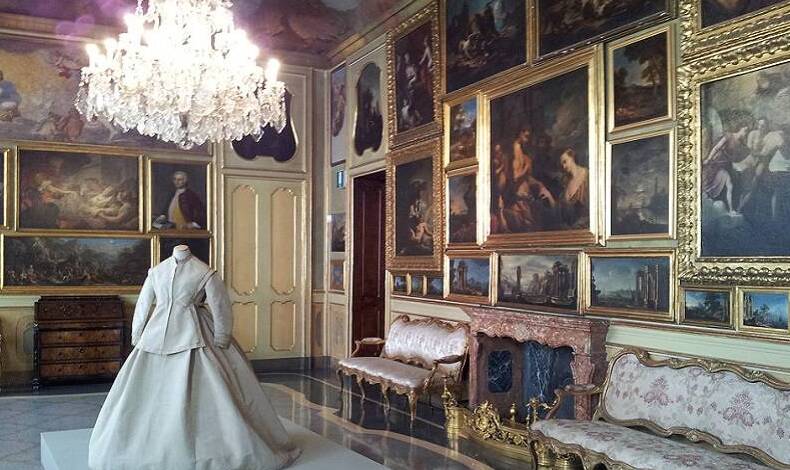

Nestled in the heart of Milan, the Museum of the Risorgimento offers an evocative journey through Italy's transformative period of the 19th century. Established in 1886, this museum is dedicated to the Risorgimento, a movement that united Italy and heralded the end of centuries of foreign domination. It is housed within the elegant Palazzo Moriggia, an architectural gem designed by Giuseppe Piermarini in 1776, which itself tells a tale of artistic refinement and historical significance.
The museum's roots trace back to the growing nationalist sentiments in the mid-19th century, a time when figures like Giuseppe Garibaldi and Count Camillo di Cavour were pivotal in the quest for unification. The museum was officially inaugurated to celebrate the centennial of the birth of Carlo Cattaneo, a prominent intellectual and advocate for Italian unification. Over the years, it has become a treasure trove for historians and enthusiasts alike, encapsulating the spirit of a nation in flux.
Upon entering, visitors are greeted by a rich tapestry of art and architecture. The museum is arranged into 16 thematic rooms, each meticulously curated to represent different facets of the Risorgimento. The architectural style of Palazzo Moriggia is neoclassical, characterized by its grand facades and elegant interiors, which provide a fitting backdrop for the historical artifacts displayed within.
Among the museum's most notable artworks are portraits of Garibaldi, which capture the charisma and fervor of this legendary figure. The collection also includes Napoleon's cloak, the very garment worn during his reign, and Italy's first tricolor flag, symbols of the tumultuous journey towards unification. Additionally, the red shirts of the Expedition of the Thousand, led by Garibaldi in 1860, are on display, offering a tangible connection to the fervent spirit of the times.
Beyond the artifacts, the museum serves as a cultural hub, reflecting local customs and traditions that have shaped Milan over centuries. The Risorgimento period is celebrated through various events and exhibitions throughout the year, often coinciding with national holidays and local festivals. One such event is the Festa della Repubblica, held on June 2, celebrating the establishment of the Italian Republic, which ties back to the ideals of the Risorgimento.
Gastronomy in Milan is as rich as its history. Nearby, visitors can indulge in local delicacies such as risotto alla Milanese, a saffron-infused dish that embodies the essence of Lombard cuisine. Pair this with a glass of Franciacorta, a sparkling wine that rivals the best of Champagne. The proximity of the museum to local eateries allows visitors to savor the flavors of Milan while contemplating the historical narratives encapsulated in the museum's collections.
For those who venture beyond the well-trodden paths, there are lesser-known curiosities that add depth to the experience. One such detail is the museum's Library, which boasts over 120,000 volumes dating back to 1748, making it an invaluable resource for researchers and historians. Additionally, the Archive of the Civic Historical Collections houses documents that chronicle the socio-political dynamics of the era, offering insights that often go unnoticed by casual visitors.
When planning a visit, the best time to explore the Museum of the Risorgimento is during the spring and fall months, when Milan's weather is pleasant and conducive to leisurely exploration. Visitors should allocate ample time to immerse themselves in the exhibits, taking note of the rich narratives behind each artifact. It’s also advisable to check for any temporary exhibitions, which frequently showcase themes related to Italian history and culture, providing fresh perspectives for return visitors.
To enhance your experience, consider joining a guided tour, which can illuminate the significance of the artifacts in greater detail. Be sure to take advantage of the museum's educational resources, which include workshops and lectures that delve deeper into the complexities of the Risorgimento.
As you wander through the halls of this remarkable museum, you’ll not only witness the struggles and triumphs of Italy's past but also feel a profound connection to the cultural heritage that continues to thrive in Milan today. For a personalized itinerary that captures the essence of your visit, explore the Secret World app to craft the perfect Milanese adventure.


