
🎄 Win a month in Italy for two — €10,000 · The Secret Italy Prize GO →
Brescia | Museum of Santa Giulia — Brescia
← Back
Art, Theaters and Museums 📍 Brescia, Italy 288 views

Brescia | Museum of Santa Giulia

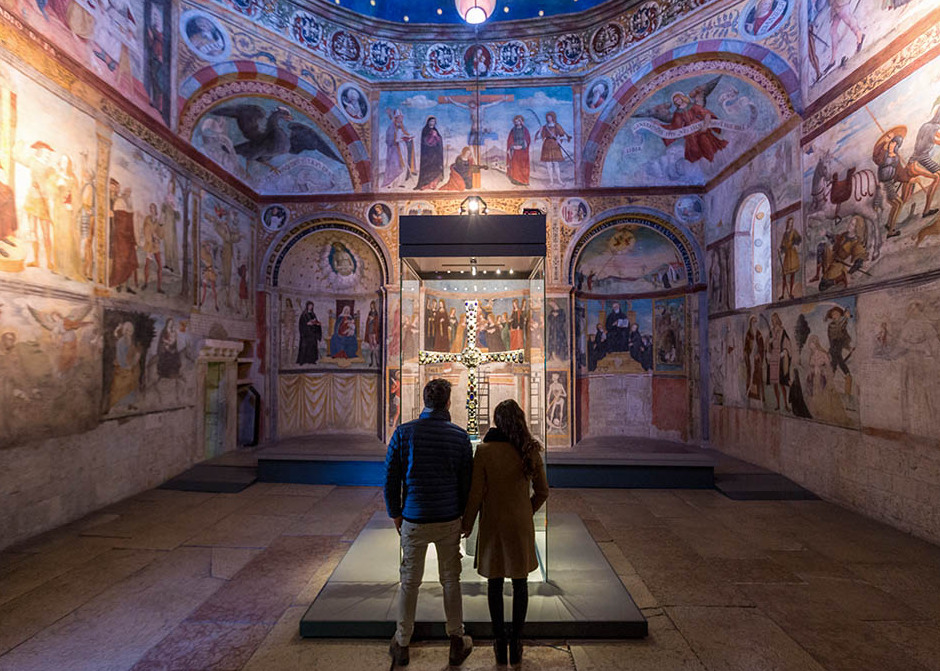
The Museum of Santa Giulia is the main museum in Brescia, located along the ancient decumanus maximus of Roman Brixia. It is housed inside the monastery of Santa Giulia, built by King Desiderio in the Longobard era and variously expanded and modified over more than a thousand yea...

Photo · Ronda B.

Brescia | Museum of Santa Giulia — Brescia, Italy.

Location
Brescia
Type
Art, Theaters and Museums
Opening hours
Weather now
↗ Directions

About Brescia | Museum of Santa Giulia

Brescia | Museum of Santa Giulia - Brescia | Secret World Trip Planner

The Museum of Santa Giulia is the main museum in Brescia, located along the ancient decumanus maximus of Roman Brixia. It is housed inside the monastery of Santa Giulia, built by King Desiderio in the Longobard era and variously expanded and modified over more than a thousand years of history. Unique in Italy and Europe in terms of exhibition design and location, the Museum of the city, housed in a monastic complex of Lombard origin, allows a journey through the history, art and spirituality of Brescia from prehistoric times to the present day in an exhibition area of about 14,000 square meters.

Brescia | Museum of Santa Giulia - Brescia | Secret World Trip Planner

A Benedictine women's monastery, built by the last Longobard king Desiderius and his wife Ansa in 753 A.D., San Salvatore - Santa Giulia played a leading role - religious, political and economic - even after the defeat inflicted on the Lombards by Charlemagne.

Place of historical memories stratified over the centuries and continuous source of surprising discoveries, the monastic complex is a visible interweaving of ages.

Built on an area already occupied in Roman times by important Domus, it includes the Longobard basilica of San Salvatore and its crypt, the Romanesque oratory of Santa Maria in Solario, the Nuns' Choir, the 16th century church of Santa Giulia and the cloisters.

An area destined, therefore, almost by vocation, to host the Museum of the city, which rightly proposes itself as the fulcrum of the visit itinerary to Brescia.

The element that characterizes and makes the museum so special is the very close link between "container" and the objects on display. Currently the "casket" of Santa Giulia consists of about 11,000 pieces: Celtic artefacts such as helmets and bonfires, Roman portraits and bronzes, Longobardic evidence, funerary objects, mosaics and frescoes.

Symbol of the city is the Winged Victory, the great bronze from the Capitolium, the object of recent investigations that have shed new light on the history of ancient art and life in Brixia.

✦ Secret World · suggested day

A perfect day in Brescia

Start with Brescia | Museum of Santa Giulia, then continue with nearby places selected by Secret World.

  1. 01
    Morning
    Brescia | Museum of Santa Giulia
    📍 Brescia
    Start here
  2. 02
    Afternoon
    📍 0 km away
  3. 03
    Evening
    📍 0.1 km away

Collect this place

Turn places you discover into stamps in your Secret Passport.

Open Secret Passport →

Keep exploring · Brescia

Frequently Asked Questions

The Museum of Santa Giulia is Brescia's main museum housed within a Lombard monastery built by King Desiderio in 753 A.D., making it unique in Italy and Europe for its integration of exhibition design and historical location. With 14,000 square meters of exhibition space and about 11,000 pieces, it offers a complete journey through Brescia's history from prehistoric times to the present day, featuring Celtic helmets, Roman bronzes, and the famous Winged Victory sculpture.
The museum showcases artifacts spanning multiple eras including Celtic artefacts like helmets, Roman portraits and bronzes, Longobardic evidence, funerary objects, mosaics, and frescoes. The centerpiece is the Winged Victory, a great bronze from the ancient Capitolium that has recently been the subject of investigations revealing new insights into ancient Brixia's art and life.
The monastic complex includes the Longobard basilica of San Salvatore with its crypt, the Romanesque oratory of Santa Maria in Solario, the Nuns' Choir, the 16th century church of Santa Giulia, and multiple cloisters. The complex was built on the site of important Roman Domus and represents layers of architecture spanning over a thousand years of continuous expansion and modification.
The Benedictine monastery was founded by the last Longobard king Desiderius and his wife Ansa in 753 A.D., originally dedicated to San Salvatore. Even after the Lombards were defeated by Charlemagne, the monastery maintained a leading role in religious, political, and economic matters in the region, making it a significant historical site beyond its artistic value.
Yes, the museum is situated along the ancient decumanus maximus (main street) of Roman Brixia and was built on land already occupied during Roman times by important residences called Domus. This strategic location makes the museum an ideal fulcrum for understanding Brescia's entire historical trajectory from Roman through medieval and modern times.

Experiences nearby · Brescia

Powered by Viator

See more on Viator.com

Secret World @php $__al = $lang ?? app()->getLocale(); @endphp @if($__al === 'ko')숨겨진 명소, 진짜 이야기 — 여행을 계획하세요 @elseif($__al === 'ja')隠れた名所とリアルな物語 — 旅を計画しよう @elseHidden places, real stories — plan your trip@endif
@if($__al === 'ko')무료 앱 시작하기@elseif($__al === 'ja')無料アプリを入手@else Get the app @endif
