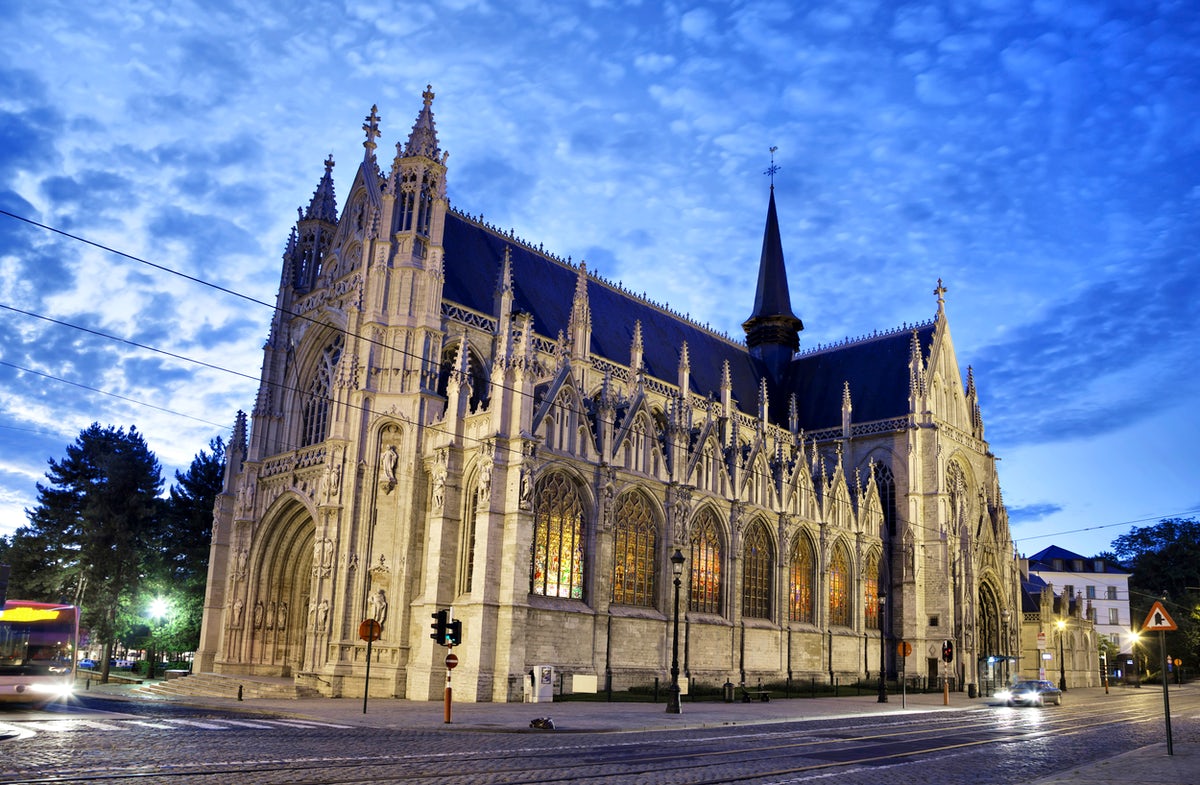


Nestled in the heart of Brussels, the church of Notre Dame du Sablon stands as a stunning testament to the city’s rich historical tapestry. This masterpiece of Gothic architecture invites visitors not only to admire its beauty but to delve into its storied past, vibrant local culture, and exquisite culinary offerings.
### History and Origins
The origins of Notre Dame du Sablon can be traced back to the late 14th century when it was established by the archers’ guild of Brussels. They sought to build a chapel dedicated to the Virgin Mary as a place of worship and community gathering. By 1420, the construction of the church had begun in earnest, spearheaded by the influential architects of the Brabant Gothic style.
The church underwent significant renovations during the 15th century, which included the addition of the remarkable tower and the intricate facade adorned with detailed sculptures. This transformation marked a pivotal moment in the church's history, as it became a focal point for both religious devotion and civic pride.
In the 19th century, the church faced a decline in attendance, prompting a restoration led by architect Eugène Simonis. This revitalization not only preserved the structure but also enhanced its artistic features, ensuring that Notre Dame du Sablon remains one of the finest examples of Brabant Gothic architecture in Belgium.
### Art and Architecture
From the moment you approach Notre Dame du Sablon, you are struck by its exquisite exterior. The church is adorned with a wealth of sculptural details, from its intricate buttresses to the vibrant figures lining the entrance. The rose window above the main portal is particularly noteworthy, showcasing the skill of the medieval artisans.
Inside, the church is a sanctuary of light and color, thanks to 11 magnificent stained glass windows dating back to the 16th century. These windows depict scenes from the life of Christ and the Virgin Mary, infused with a rich palette that transforms the interior into a kaleidoscope of hues. One cannot miss the chapel dedicated to the Tour and Taxis family, established in 1540, which is a highlight for its historical significance and artistic beauty.
### Local Culture and Traditions
The Sablon neighborhood is alive with local culture, where the church serves as a spiritual and social hub. One of the most beloved traditions is the Sablon Antique Market, which takes place every weekend. Here, visitors can peruse a treasure trove of antiques, art, and unique finds, all while soaking in the vibrant atmosphere of this historic area.
In addition, the Feast of the Assumption, celebrated on August 15th, sees the church bustling with activity as locals gather for special masses and festivities. The event honors the Virgin Mary, the church's namesake, and features music, processions, and communal feasting, reflecting the deep-rooted traditions of the Brussels community.
### Gastronomy
No visit to the Sablon neighborhood would be complete without indulging in its culinary delights. This area is renowned for its chocolate shops, with Pierre Marcolini and Neuhaus being standout names offering artisanal treats that delight the senses. The rich, velvety textures and complex flavors of Belgian chocolate are a must-try.
Additionally, the neighborhood is dotted with charming cafés and restaurants that serve traditional Belgian fare. Dishes such as moules-frites (mussels with fries) and stoofvlees (beef stew) provide a hearty taste of local culture. Pair your meal with a glass of Trappist beer or a refreshing Belgian witbier to complete the experience.
### Lesser-known Curiosities
While many tourists flock to the main sights, there are hidden details that often go unnoticed. One such curiosity is the small statue of a dog located near the church, which commemorates the local tradition of bringing pets to the church for blessings.
Another intriguing aspect is the mysterious “Sablon” name itself, which is derived from the old French word for 'sandbank', referencing the area’s historical landscape. Also, the church's organ, dating back to the 1740s, has been meticulously preserved and offers occasional organ concerts, an experience that immerses visitors in the church’s rich acoustic heritage.
### Practical Visitor Information
The best time to visit Notre Dame du Sablon is during the spring and fall when the weather is mild, and the neighborhood is less crowded. Plan your visit during a weekday morning to fully appreciate the serenity of the church and the surrounding area.
Be sure to take your time exploring not just the church but also the nearby Place du Grand Sablon, where delightful restaurants and boutiques await. Look out for the artisans selling their crafts, as this adds a unique local flair to the experience.
For those seeking a deeper engagement with the city, consider joining a guided tour that highlights both the architectural and cultural significance of the church and its surroundings.
In this vibrant neighborhood, the church of Notre Dame du Sablon stands as a beacon of history, artistry, and community spirit. To truly immerse yourself in the treasures of Brussels, consider using the Secret World app to create a personalized itinerary tailored to your interests.