
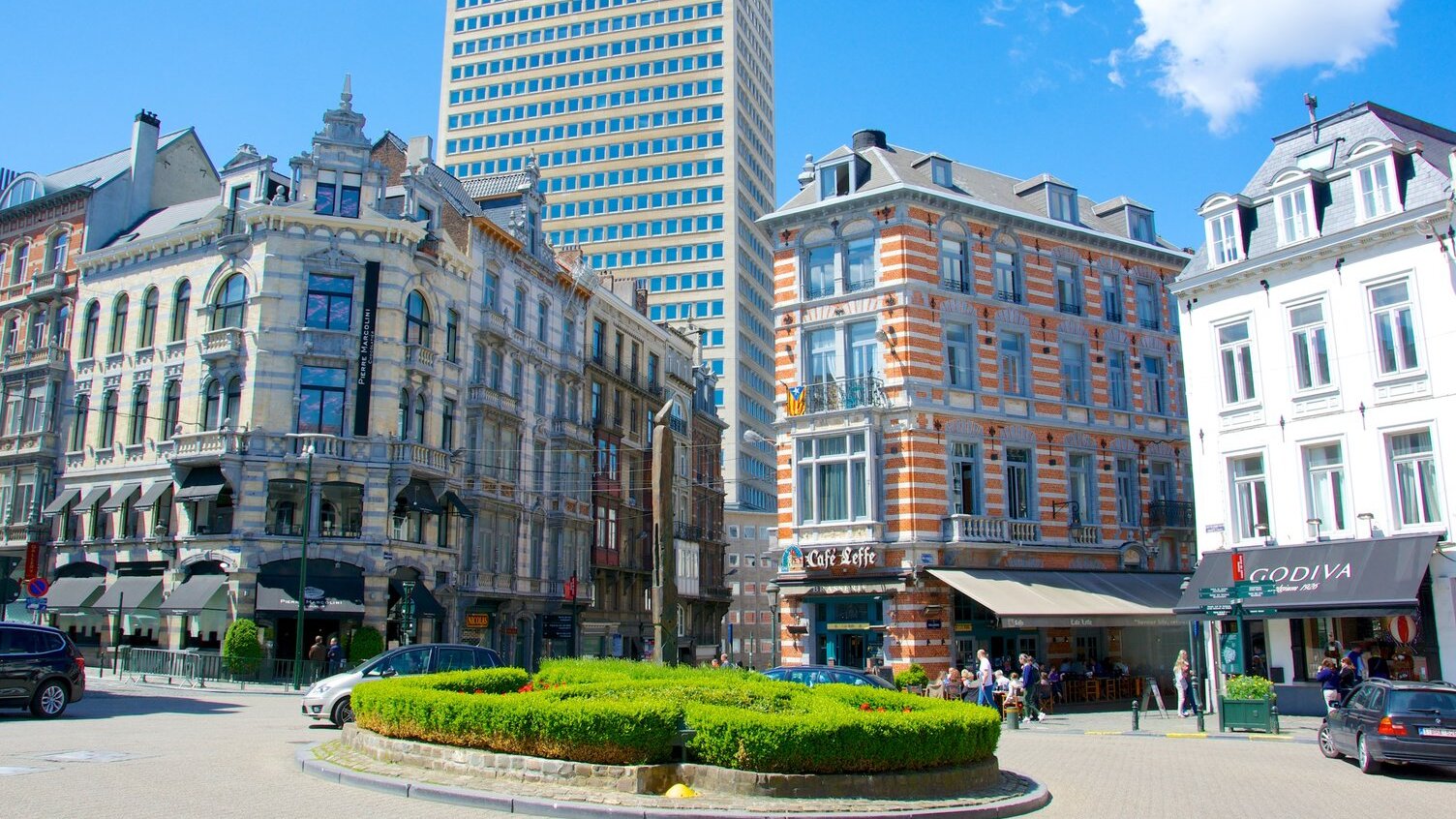

Standing majestically at the edge of the Place du Grand-Sablon, Notre-Dame du Sablon encapsulates the rich tapestry of Brussels’ history, art, and culture. This stunning Gothic church, with its soaring spires and intricate stained glass, is more than just a religious site; it is a testament to the city’s evolution from medieval origins to modern-day vibrancy.
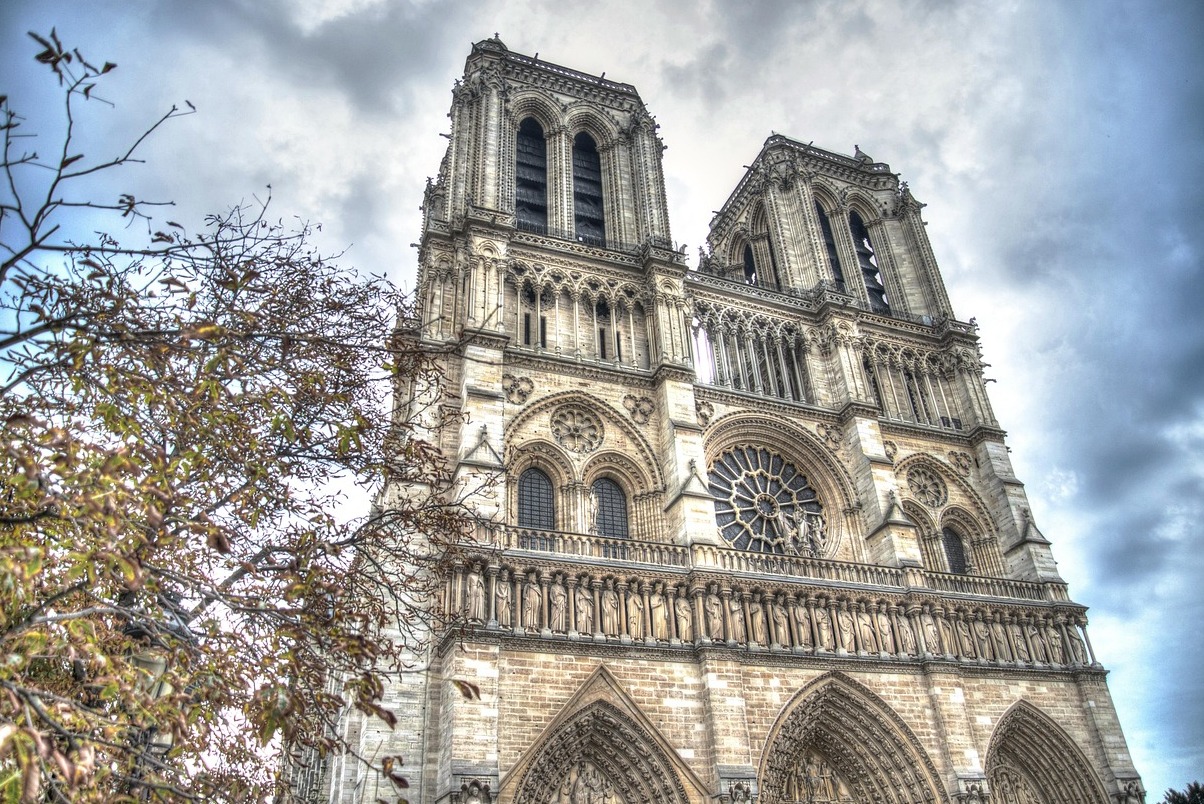
The roots of Notre-Dame du Sablon trace back to the 14th century, when it began as a modest chapel constructed by the archers’ guild. In 1348, the arrival of a revered statue of Mary from Antwerp catalyzed its transformation, drawing pilgrims and local worshippers alike. Over the ensuing decades, the chapel was expanded, evolving into the grand church we see today. Notably, it was during the 15th century that the church was rebuilt in the stunning late Gothic style, with construction overseen by renowned architects, including Jan van Ruysbroeck. The church was completed in 1525, reflecting the wealth and aspirations of the community it served.
Architecturally, Notre-Dame du Sablon is a remarkable example of Brussels Gothic style. Its striking façade, adorned with detailed sculptures and delicate tracery, invites admiration. Inside, visitors are greeted by an array of stained glass windows, some dating back to the 16th century, depicting biblical scenes and saints that infuse the interior with color and light. The high altar, crafted from polished marble, is another highlight, showcasing the artistic craftsmanship of the period. The church also houses several significant religious relics, including the revered statue of Mary, which continues to attract devotees.
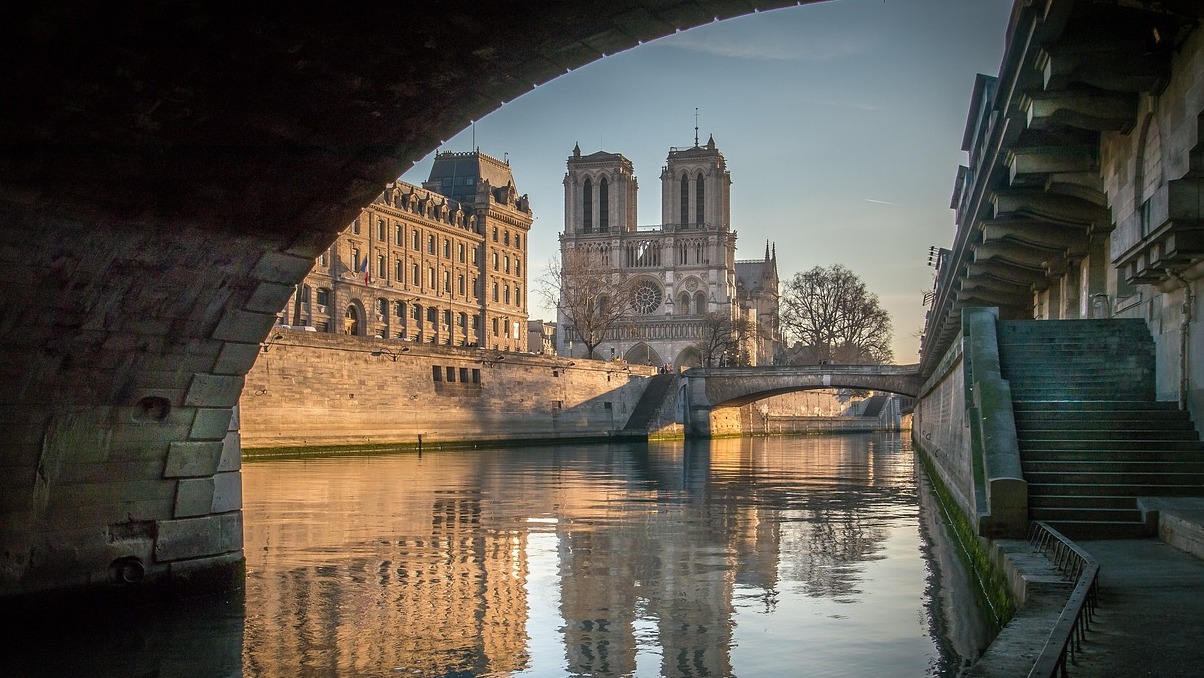
Beyond its architectural grandeur, Notre-Dame du Sablon is deeply interwoven with local culture and traditions. The Sablon district has historically been a center for Brussels' elite, and its charm is reflected in the seasonal fairs and markets that take place around the church. Notably, the Sablon Antique Market, held every weekend, draws collectors and casual browsers alike, showcasing an eclectic mix of art, furniture, and bric-a-brac. The annual Sablon Flower Market, which takes place in spring, is a vibrant celebration of local flora and community spirit, transforming the square into a colorful tapestry of blooms.
No exploration of this area would be complete without indulging in local gastronomy. The Sablon area is home to some of Brussels' finest chocolate shops, including the famed Pierre Marcolini. Sampling artisanal chocolates here is an absolute must. Additionally, the nearby cafés offer a taste of traditional Brussels cuisine, with dishes like stoofvlees (beef stew) and waterzooi (chicken or fish stew) that warm the soul. Pair your meal with a local Belgian beer, such as a Trappist ale, for a true taste of the region.
As you wander through the enchanting streets surrounding Notre-Dame du Sablon, keep an eye out for lesser-known curiosities that often escape the attention of hurried tourists. One fascinating story is the legend of the devil's face that can be seen among the carvings on the church's exterior. Local lore suggests that this figure was deliberately placed there to remind the faithful of the eternal battle between good and evil. Furthermore, the church's bell, known as the Groot Klok, is said to be cursed; it rings only in times of tragedy, a curious superstition that adds an air of mystery to the site.
For those planning a visit, the best time to experience Notre-Dame du Sablon is during the spring and early fall when the weather is mild, allowing for leisurely exploration of the square and surrounding antique shops. Arriving early in the day can also provide a quieter atmosphere to appreciate the church's beauty before the crowds arrive. Be sure to look for the intricate details in the stonework, the serene atmosphere within, and the opportunity to light a candle in prayer or reflection.
Whether you are an architecture enthusiast, a history buff, or a curious traveler, Notre-Dame du Sablon offers a captivating glimpse into the heart of Brussels. It is a place where history, art, and culture converge, inviting all who visit to pause and reflect on the stories embedded within its walls. For a personalized journey through Brussels, consider using the Secret World app to plan your itinerary.


