
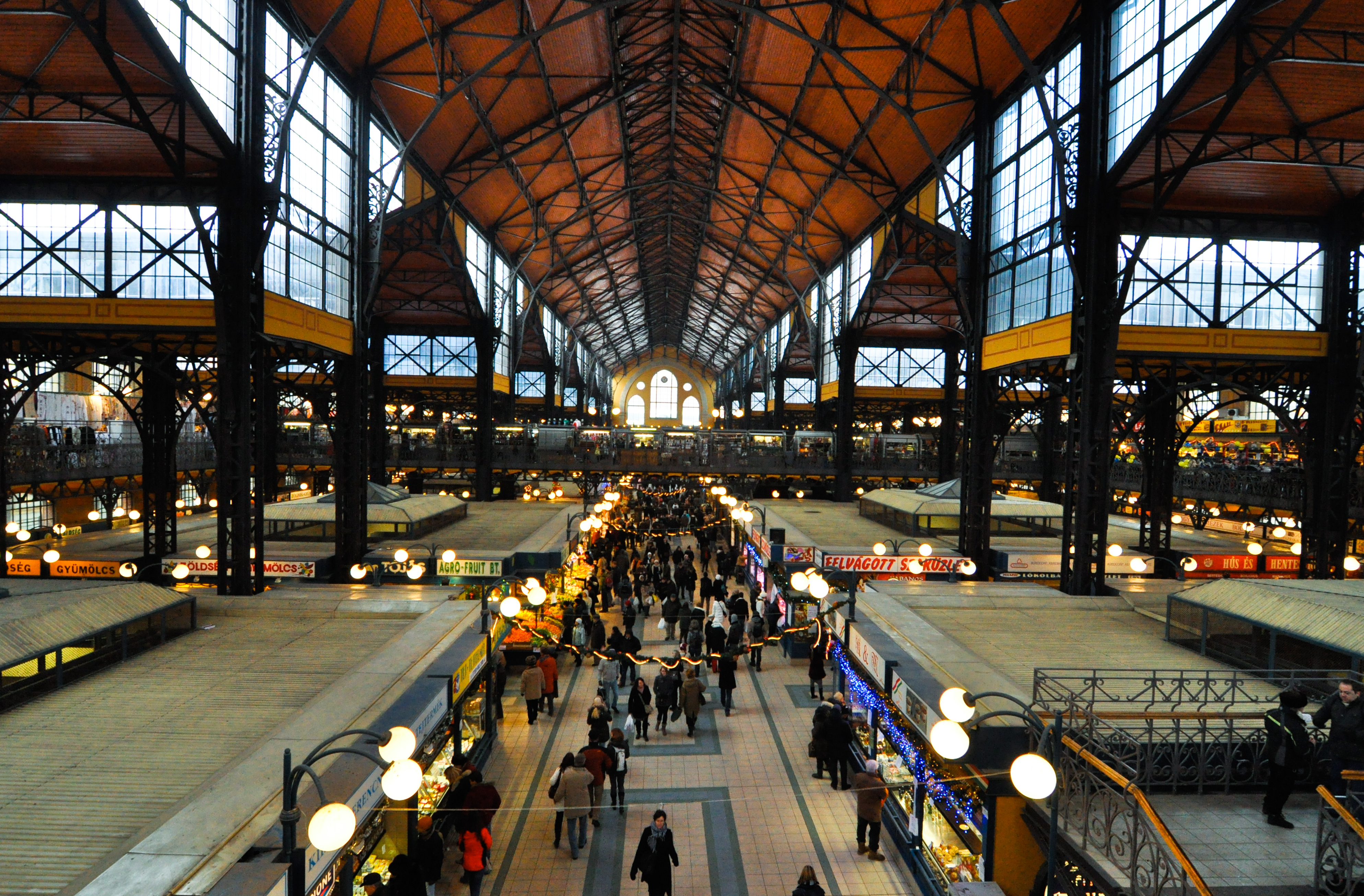

Nestled at the heart of Budapest, the Great Market Hall is not just a feast for the senses; it is a monumental emblem of Hungarian culture and history. Often bustling with locals and tourists alike, this vibrant marketplace opens its doors to a world of fresh produce, artisanal goods, and traditional culinary delights.
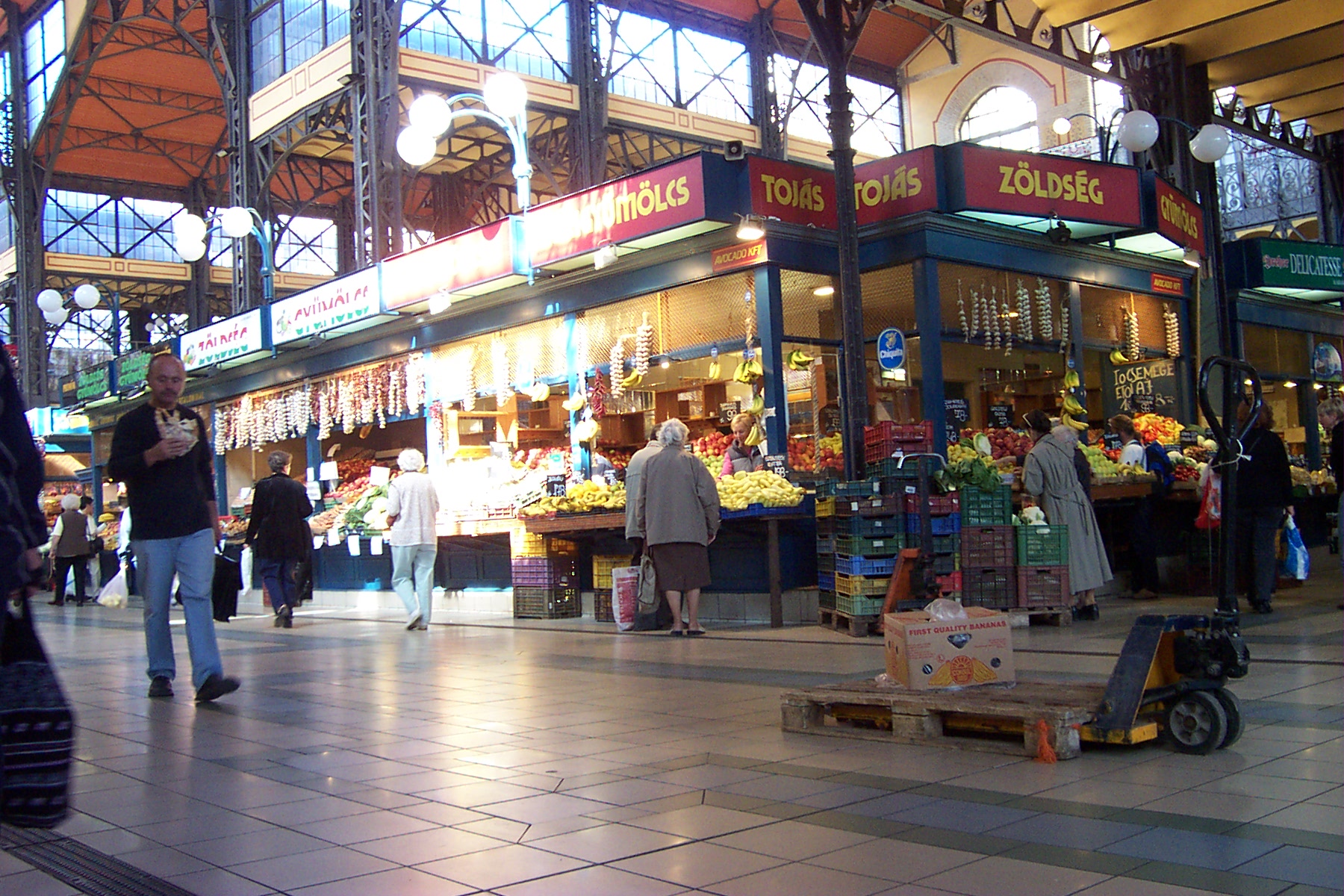
History and Origins The story of the Great Market Hall, or Nagycsarnok, begins in the late 19th century, a pivotal period for Budapest. Opened in 1897, it was designed by the renowned architect Samuele Gábor, showcasing the city’s commitment to modernity and urban development. The market was part of a broader initiative to enhance public spaces in Budapest, coinciding with the Millennium Celebrations marking the 1000th anniversary of the Hungarian conquest. Though it was initially met with skepticism, the Great Market Hall soon became a beloved fixture for locals, representing the bustling spirit of the city. During World War II, it suffered damage but was restored in the 1990s, allowing it to retain its historical charm while adapting to contemporary needs.
Art and Architecture The architectural style of the Great Market Hall is an impressive blend of Gothic Revival and Art Nouveau, characterized by its grand, vaulted roof adorned with colorful ceramic tiles. The structure is constructed from iron and brick, showcasing a functional yet aesthetically pleasing design that has withstood the test of time. Upon entering, visitors are greeted by a magnificent central hall that boasts soaring ceilings and intricate details, including stained glass windows and decorative motifs that reflect Hungarian culture. The building itself is a work of art, harmonizing form and function, and continues to be a significant landmark in Budapest’s architectural heritage.
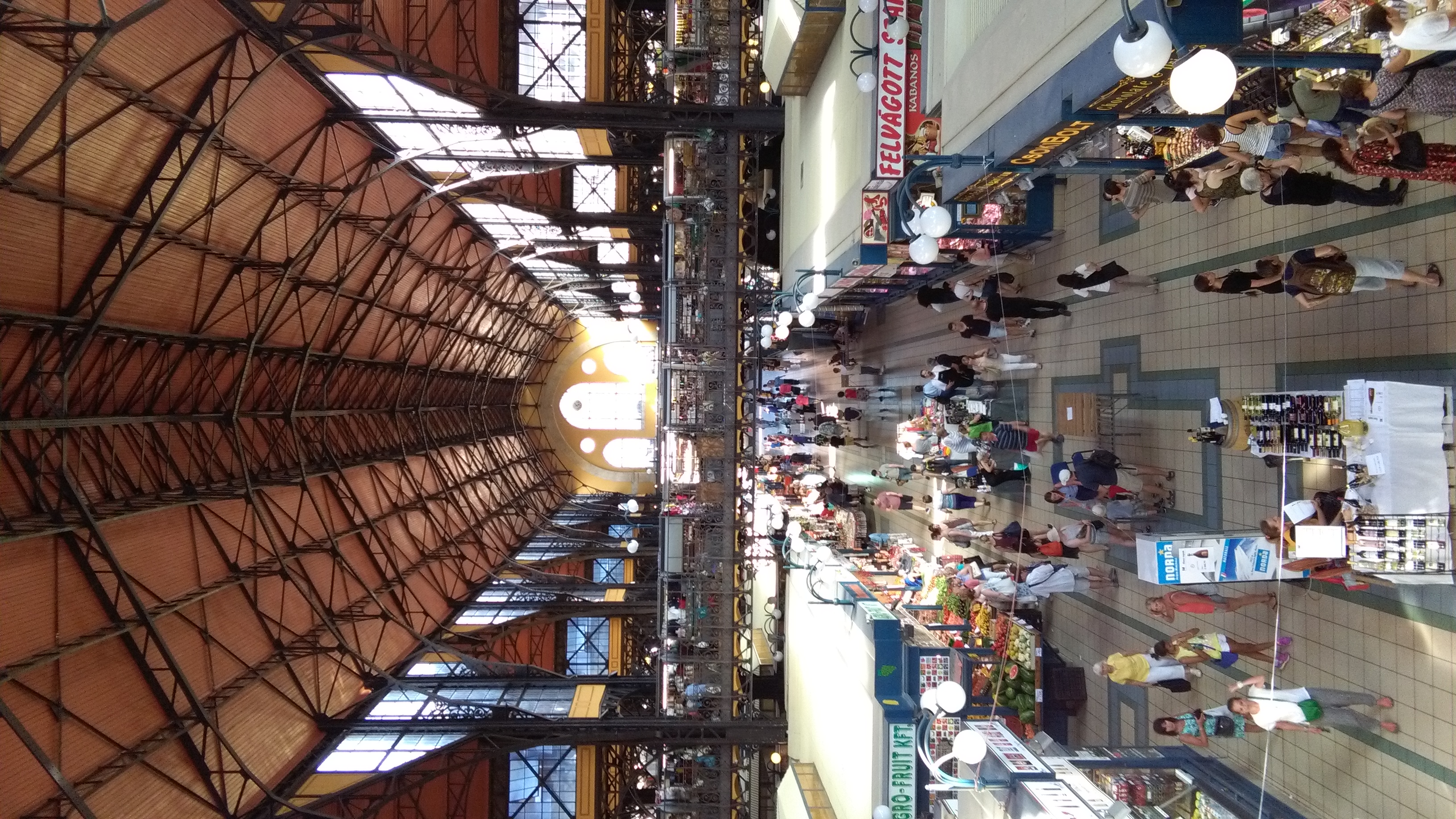
Local Culture and Traditions The Great Market Hall is not merely a shopping destination but a cultural hub where local customs and traditions come alive. Every Saturday, the market hosts a lively farmers' market, where local producers showcase their freshest offerings. During major Hungarian festivals, such as Easter and Christmas, the hall transforms into a festive wonderland, decorated with seasonal ornaments and offering special delicacies. The market is also a place for community gatherings, reflecting the importance of food in Hungarian culture, where sharing meals is a cherished tradition.
Gastronomy One cannot discuss the Great Market Hall without diving into its gastronomic treasures. The market is a paradise for food lovers, offering an array of traditional Hungarian dishes. Langos, a deep-fried flatbread topped with sour cream and cheese, is a must-try, as is the iconic gulyás (goulash), a hearty stew that warms the soul. The market is also famed for its selection of paprika, the spice that defines Hungarian cuisine, alongside an array of salamis and cheeses. Don’t forget to sample pálinka, a potent fruit brandy that is a staple of Hungarian hospitality. A stroll through the upper level reveals artisan stalls selling handmade crafts and traditional foods, where the essence of Hungarian culture can be savored in every bite.
Lesser-known Curiosities While the Great Market Hall is a popular destination, there are hidden gems that many tourists overlook. For instance, head to the basement level to discover a fascinating array of fish and meat stalls, where local butchers proudly display their best cuts. Many visitors miss the tiny spice museum located on the ground floor, where you can learn about the history and significance of spices in Hungarian cooking. Additionally, the market houses a charming café where you can relax and enjoy a coffee while taking in the lively atmosphere. Look closely, and you may spot the intricate zodiac signs adorning the market’s ceiling, a nod to the building's rich history.
Practical Visitor Information The Great Market Hall is open Monday to Saturday, from 6 AM to 6 PM, making it an ideal stop for breakfast or lunch. To fully immerse yourself in the local culture, visit early in the morning when the market is less crowded, and the freshest goods are available. Consider bringing cash, as some stalls may not accept cards. Be sure to explore every level to get a comprehensive taste of what the market has to offer, from food to crafts. Don’t miss the opportunity to engage with the friendly vendors, who are often eager to share their stories and culinary tips.
In conclusion, the Great Market Hall of Budapest is a vibrant tapestry of history, culture, and gastronomy, inviting visitors to dive deep into the heart of Hungarian life. For a truly personalized experience, consider using the Secret World app to plan your itinerary and make the most of your visit to Budapest.


