
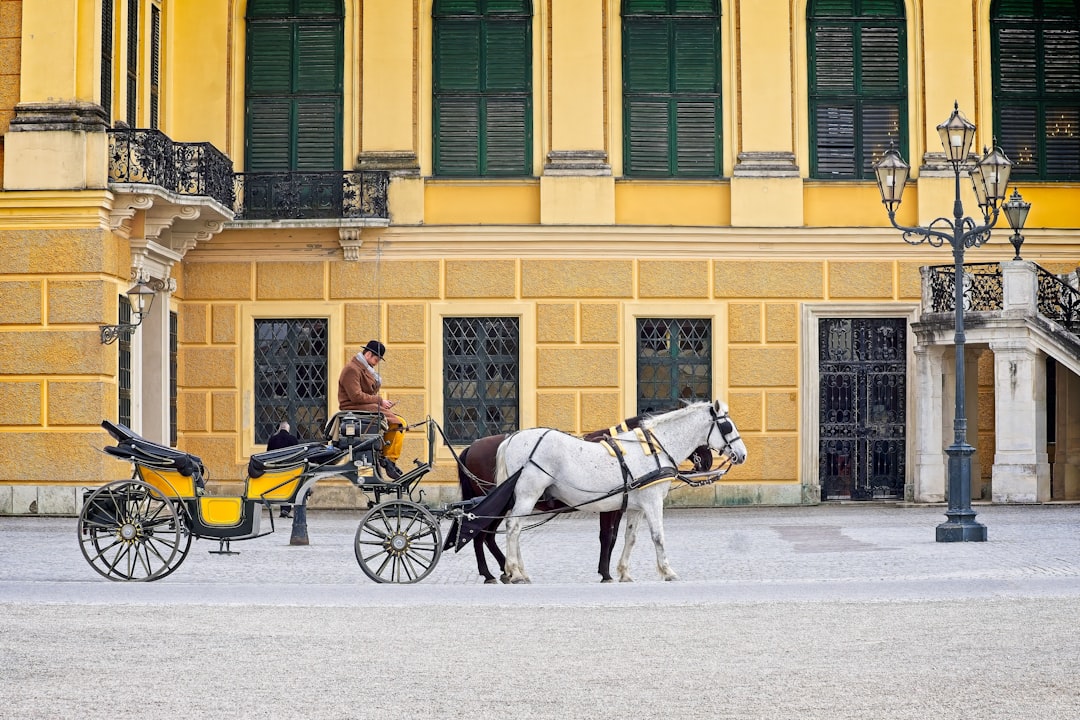

Vienna is one of those cities that seems expensive only until you know where to look. The Austrian capital hosts over 100 museums, one of the most efficient public transport systems in Europe, and a coffee culture that you can experience for less than 5 euros. With the right planning, a week in Vienna in 2026 is within reach for budget travelers without giving up anything essential.
The secret lies in organization: knowing which attractions are free, when it’s worth using the Vienna City Card, and how to move between the first district and more authentic neighborhoods like Neubau or Leopoldstadt. In this guide, you will find concrete advice and discover how Secret World, the AI planning tool, can help you build a tailored itinerary without wasting hours on research.
The free attractions in Vienna that few really know about
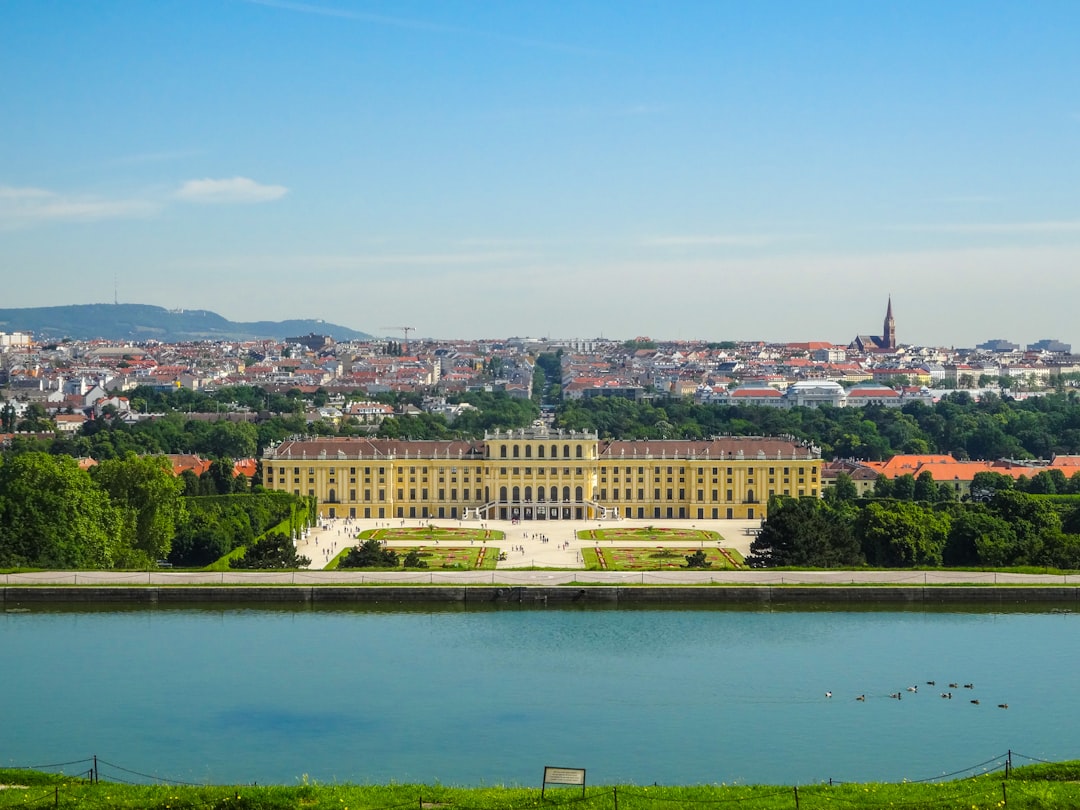
The historic center of Vienna is already an open-air museum in itself. The Schönbrunn Palace costs about 18 euros for the internal visit, but the gardens are completely free and extend over more than 160 hectares: easily worth two hours of walking. Similarly, the Kunsthistorisches Museum opens for free on the first Sunday of the month, while the Naturhistorisches Museum offers free admission every Thursday evening from 6 to 9 PM.
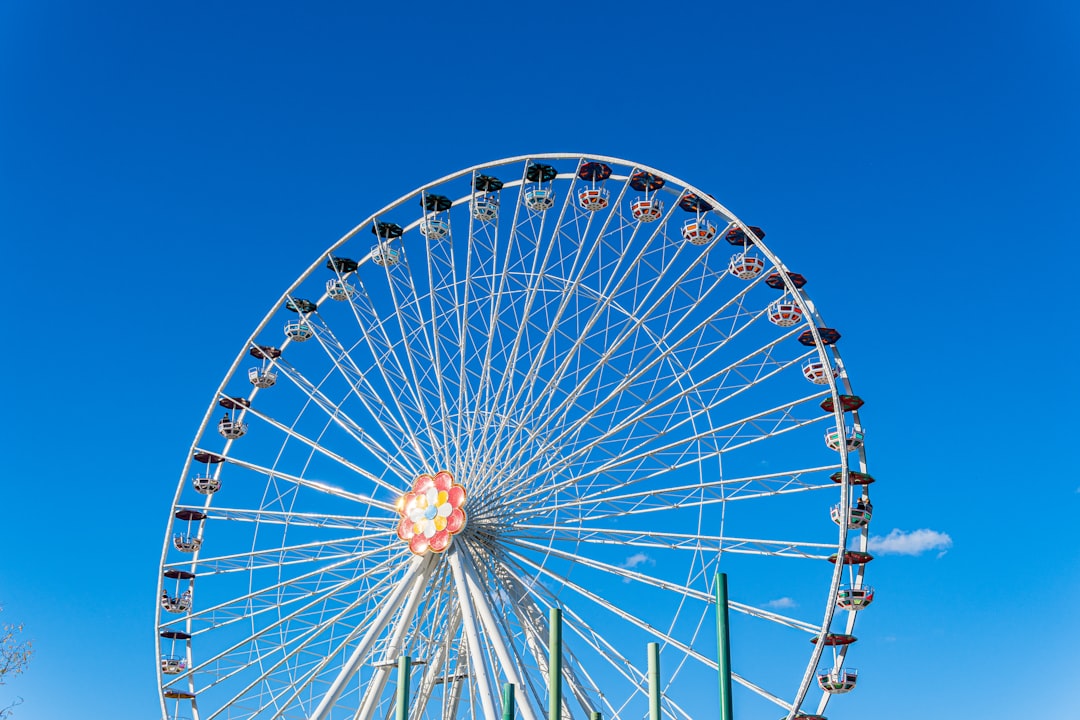
Do not underestimate the MuseumsQuartier, one of the largest cultural complexes in Europe: the central courtyard is accessible to everyone and often hosts free events, installations, and markets. Moving on foot towards the Prater, the large public park about 2 km from the center, you find the historic Riesenrad, the Ferris wheel that is a symbol of the city, and kilometers of tree-lined avenues without spending a cent.
Indicative budget and how to save on transportation
For a 4-night vacation in Vienna in 2026, a realistic budget is around 400 to 600 euros per person, including flight if booked in advance. Hostels in the Mariahilf and Josefstadt districts start from 25-35 euros per night, while family-run B&Bs in the sixth district offer double rooms around 70-90 euros. For food, the Würstelstand, the typical Viennese sausage stands, allow you to have lunch for less than 5 euros.
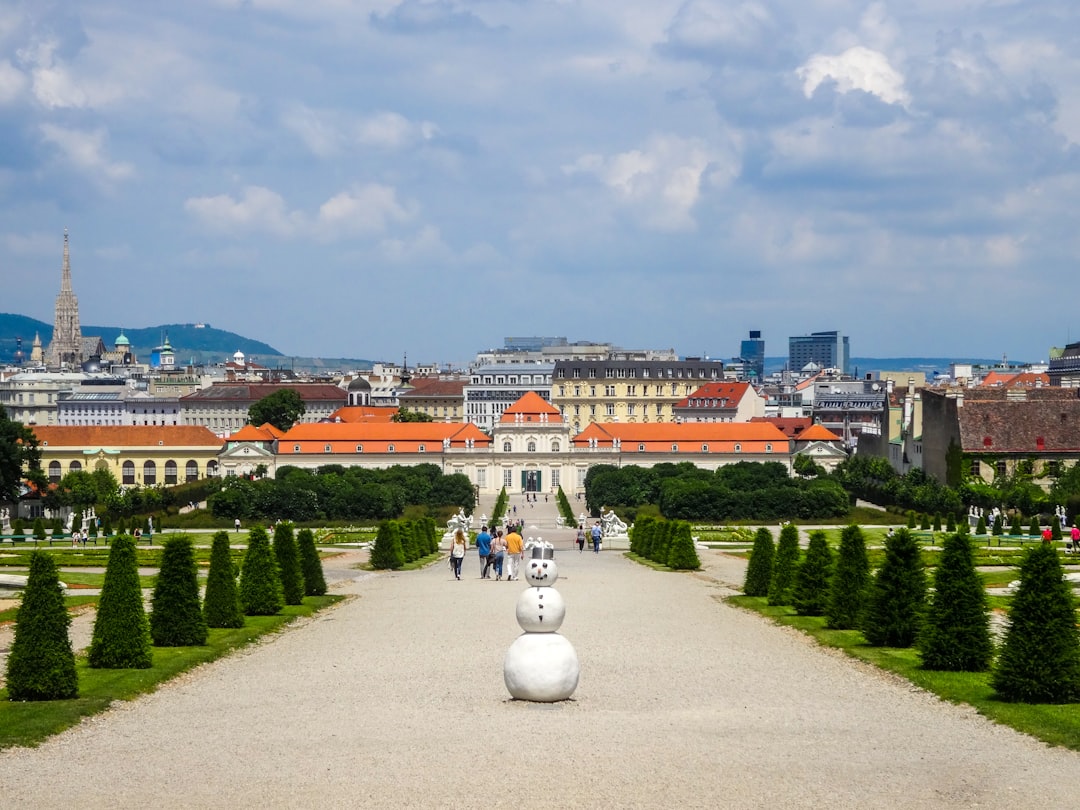
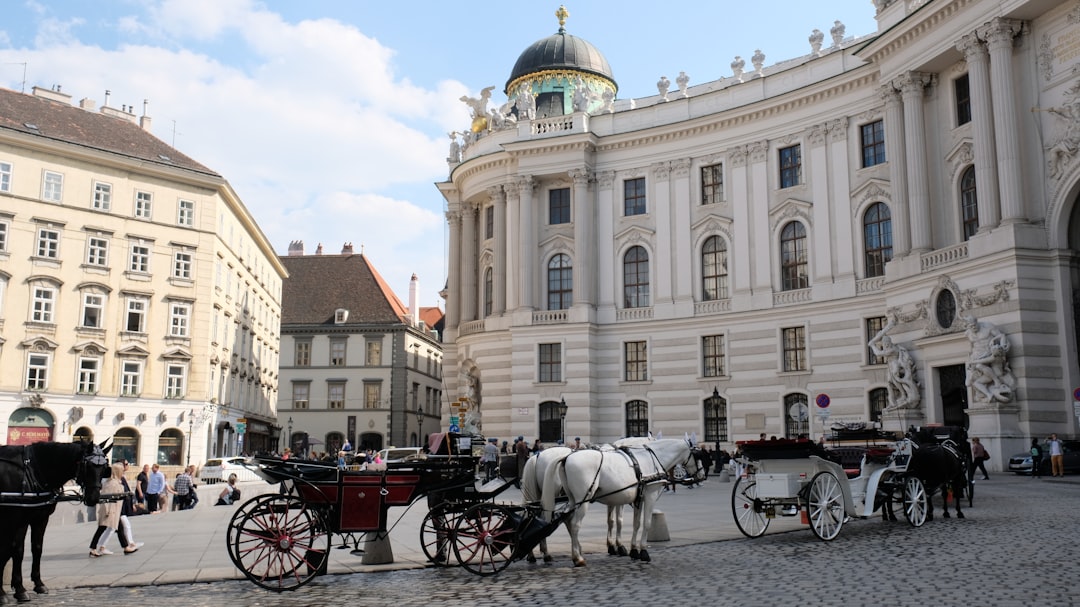
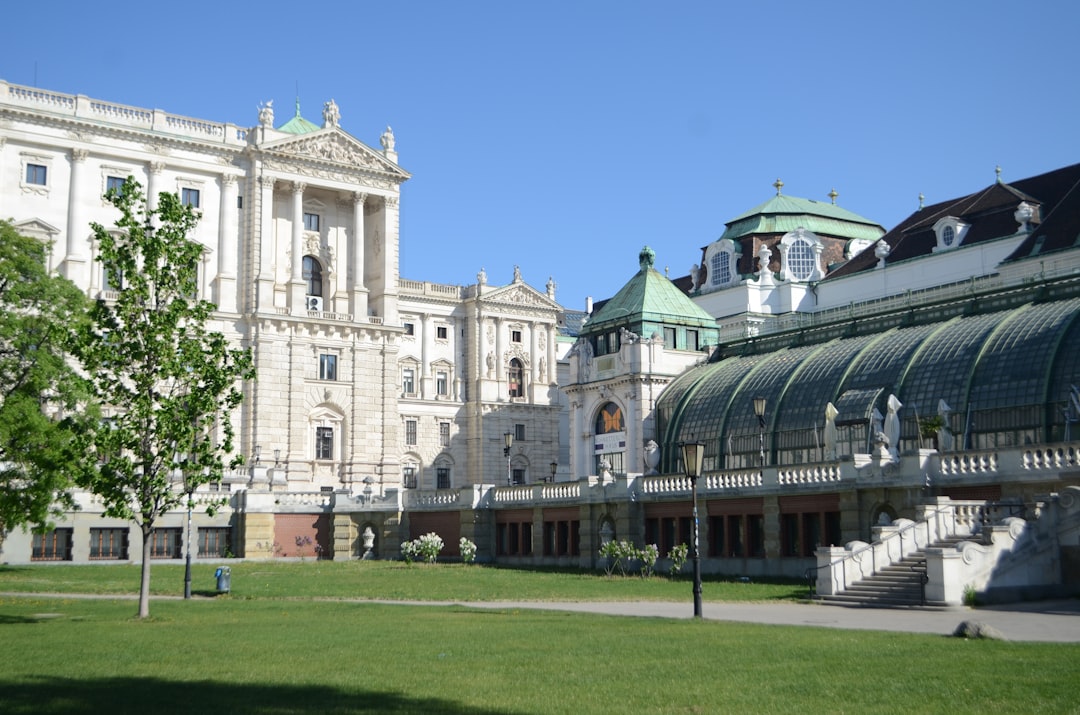
For transportation, the Vienna City Card for 24 hours costs 17 euros and includes unlimited metro, tram, and bus rides. If your stay exceeds three days, the 72-hour version at 28 euros is the most economical choice. Many of the main attractions — Stephansdom, the outer Hofburg, lower Belvedere — can be reached on foot from the first district in less than 20 minutes from each other, further reducing transportation costs.
How Secret World transforms your travel planning
Building an optimized itinerary for Vienna takes time: you need to cross-reference museum hours, distances between points of interest, free entry days, and personal preferences. Secret World does exactly this through its AI technology, generating personalized itineraries in just a few minutes. Enter the number of days, your budget, and your interests — art, gastronomy, history, nightlife — and the system builds a coherent and realistic daily plan.
The difference compared to traditional research is tangible: Secret World does not just suggest the classic postcard sights, but integrates local gems like the Naschmarkt (the largest market in Vienna, open from Monday to Saturday), the historic cafés of Café Central and Café Hawelka, or niche museums like the Sigmund Freud Museum in the ninth district. Each suggestion is accompanied by practical information on prices, hours, and how to get there, all in one place.
The right neighborhoods to experience Vienna like a local
The first district is a must-see but it is not all of Vienna. The seventh district, Neubau, is the creative heart of the city: independent galleries, design shops, ethnic restaurants with daily menus for less than 10 euros. Just a few steps away, the sixth district Mariahilf hosts Mariahilfer Strasse, the longest shopping street in Vienna, but also vintage markets and places where Viennese people have breakfast with a Melange — the typical coffee with whipped milk — for less than 3 euros.
Crossing the Donaukanal, the Danube canal that cuts through the city, you arrive at Leopoldstadt, the second district transformed in recent years into a gastronomic and cultural hub. The Karmelitermarkt, a neighborhood market open every morning, is the ideal place to stock up on local cheeses, artisanal bread, and fruit at fair prices. Exploring these neighborhoods on foot, with a well-constructed itinerary, is the most economical and authentic way to understand Vienna.
Plan your low-cost Vienna vacation now with Secret World
Vienna in 2026 is more accessible than you think: you just need to know where to go, when to go, and how to organize your days without wasting time or money. Whether you have three days or a week, a minimal budget or a bit more to invest, the key is to start with a solid plan.
Try Secret World today: enter your dates, your budget, and let the artificial intelligence build the perfect itinerary for your vacation in Vienna. Save hours of research, discover attractions that traditional sites will never show you, and leave with the certainty that you have planned every detail. Your low-cost trip to Vienna starts here.


