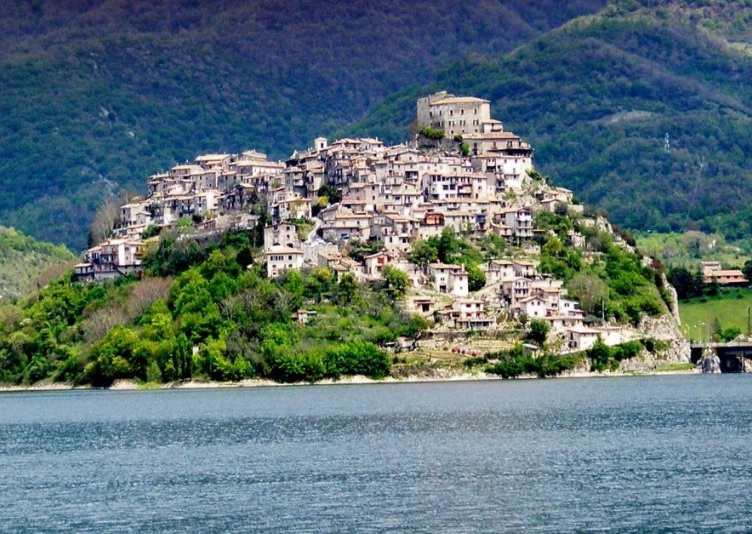


Perched on a hill 607 meters above sea level, Castel di Tora is a picturesque village that offers more than just stunning views of Lake Turano. Nestled between Carsoli and Rieti, this quaint destination is rich in history, culture, and tradition, making it a must-visit for those seeking an authentic Italian experience.
### History and Origins The origins of Castel di Tora trace back to the Middle Ages, though its history is likely rooted in even earlier settlements. The village was strategically established to oversee the surrounding lands, providing a vantage point over the picturesque Turano Valley. The castle itself, believed to have been built in the 12th century, served as a fortress for the local nobility.
Over the centuries, Castel di Tora witnessed various historical events, from feudal conflicts to the impact of the Renaissance. The village’s defensive walls and remnants of ancient structures hint at a turbulent yet fascinating past. In 1927, it was officially recognized as a municipality, marking its evolution into the charming locale we see today.
### Art and Architecture The architectural landscape of Castel di Tora is a delightful blend of Baroque and medieval styles. At the heart of the village lies the Church of S. Giovanni Evangelista, an exquisite example of Baroque architecture, featuring intricate frescoes and ornate altars that tell stories of faith and devotion. The church, dating back to the 18th century, stands as a testament to the village's cultural richness.
Adjacent to the church is a striking 18th-century palace, which complements the polygonal tower that remains as a relic of its medieval past. The Tritone fountain in the main square is not just a functional water source; it is a beautiful piece of art, adorned with carvings and sculptures that add character to the bustling village center.
### Local Culture and Traditions Castel di Tora is steeped in local customs and traditions that reflect its deep-rooted heritage. Each year, the village celebrates the Feast of the Assumption on August 15th, a vibrant festival marked by processions, music, and traditional dances. Locals dress in historical costumes, creating a colorful spectacle that attracts visitors and showcases the village’s cultural significance.
Another notable event is the Sagra della Polenta, held in January, where locals gather to celebrate their culinary traditions with a feast centered around polenta, a staple dish in the region. This festival not only highlights the village's gastronomy but also fosters a sense of community and togetherness among residents and visitors alike.
### Gastronomy The culinary scene in Castel di Tora is characterized by hearty, traditional dishes that reflect the rich agricultural landscape of the area. One must-try dish is Polenta Taragna, a variation made with buckwheat flour, often served with wild boar or local cheeses.
Another local delicacy is Fettuccine al Tartufo, a simple yet flavorful pasta adorned with truffles sourced from the nearby woods. To wash it all down, don’t miss out on the region's robust red wines, particularly those from the Roman countryside, which pair beautifully with local fare.
### Lesser-known Curiosities While many tourists flock to the more renowned attractions in Italy, Castel di Tora holds its own unique stories. One fascinating detail is the village's ancient olive trees, some of which are over a thousand years old. These trees not only symbolize resilience but also contribute to the high-quality olive oil produced in the area.
Additionally, the village's location offers exceptional hiking trails that lead to breathtaking panoramas of Lake Turano and the surrounding mountains. Many visitors unknowingly overlook these trails, missing out on the serene beauty that lies just beyond the village's borders.
### Practical Visitor Information The best time to visit Castel di Tora is during the spring and early autumn months, when the weather is pleasant and the landscape is adorned with blooming flowers and vibrant foliage. Plan your visit around local festivals to immerse yourself in the village’s culture and traditions.
When exploring the village, take your time to wander through its charming narrow streets, and don’t hesitate to engage with the locals, who are known for their warm hospitality. Be sure to sample local delicacies at family-run trattorias, and remember to bring your camera to capture the stunning vistas of Lake Turano.
In conclusion, Castel di Tora is not merely a destination; it is a tapestry of history, culture, and culinary delights waiting to be discovered. For a personalized itinerary that captures the essence of this hidden gem, consider using the Secret World app to plan your visit.