
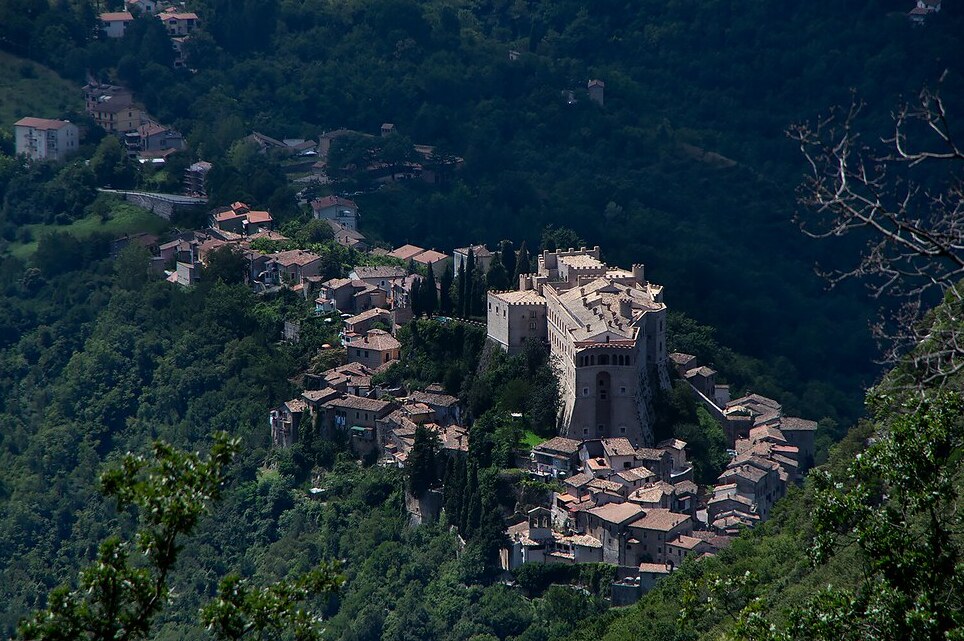

Perched proudly in the heart of Rocca Sinibalda, the Sinibalda Fortress is more than just a castle; it’s a tangible link to Italy's medieval past. The moment you approach this majestic structure, you are greeted by the sight of its formidable stone walls, which rise dramatically against the backdrop of the lush Sabine Hills. It feels as if you’ve stepped into a storybook, where history and fantasy intertwine seamlessly.
History and Origins
The origins of Rocca Sinibalda can be traced back to the 12th century, when it was first established as a military fortress. The castle was built as a stronghold for the Sinibaldi family, a noble lineage that played a vital role in the region's defense and governance. Throughout the centuries, the fortress witnessed numerous battles and sieges, particularly during the power struggles of medieval Italy. Notably, it was involved in the conflict between the Papal States and various feudal lords, standing resilient through the tumult of shifting allegiances.
By the 14th century, the fortress had become a symbol of power and prestige. Its strategic position offered not just protection but also a commanding view over the surrounding valley, which was crucial for monitoring potential invaders. Today, the fortress stands in remarkably good condition, allowing visitors to appreciate its historical significance.
Art and Architecture
Architecturally, the Sinibalda Fortress is an impressive example of medieval military design, characterized by its robust stone walls and imposing towers. The structure is shaped like an eagle with its wings folded, a design that not only served a practical purpose but also added an artistic flair to its formidable presence. Visitors can explore the castle's various chambers, including the great hall, adorned with exquisite frescoes that date back to the 15th century. These artworks depict scenes from religious and local history, showcasing the artistic talent of the period and enriching the cultural tapestry of the fortress.
The castle's layout is equally fascinating, featuring hidden passageways and spacious courtyards that invite exploration. As you wander through the narrow streets of Rocca Sinibalda, the castle looms majestically above, creating an unforgettable backdrop that feels both enchanting and surreal.
Local Culture and Traditions
Life in Rocca Sinibalda is steeped in tradition, and the local community takes great pride in its heritage. The village hosts annual festivals that celebrate both its medieval past and its vibrant culture. One such event is the Palio di Rocca Sinibalda, held every August, where residents don historical costumes and engage in friendly competitions. This colorful event draws visitors from near and far, offering a glimpse into the village's spirited customs and deep-rooted traditions.
Moreover, the locals maintain various crafts, from pottery to weaving, that reflect the skills passed down through generations. Engaging with the artisans provides an intimate understanding of the cultural significance of these crafts, enriching your visit.
Gastronomy
No visit to Rocca Sinibalda is complete without sampling the local cuisine. The village is known for its rustic, hearty dishes that celebrate the flavors of the Sabina region. Traditional foods include pasta alla chitarra, a handmade pasta served with rich sauces, and porchetta, a succulent roast pork that is often seasoned with aromatic herbs.
Pair your meal with a glass of Sabina DOC wine, produced from local grape varieties that thrive in the region's fertile soil. For dessert, don’t miss the chance to try crostata di visciole, a sweet tart made from wild sour cherries that grows abundantly in the area. Each bite tells a story of the land’s agricultural richness and culinary heritage.
Lesser-known Curiosities
While the fortress and the village are certainly captivating, there are lesser-known curiosities that add to the allure of Rocca Sinibalda. For instance, the village is home to a unique ancient oak tree, believed to be over 1,000 years old, which is often a site of local gatherings and celebrations. Additionally, the castle has been the subject of numerous legends, including tales of hidden treasures and ghostly apparitions that intrigue both locals and visitors.
Another fascinating detail is that the fortress served as a refuge for artists and intellectuals during the Renaissance, who found inspiration in its tranquil surroundings. This aspect highlights how the castle has long been a place where creativity flourishes, echoing its historical role as a bastion of knowledge and culture.
Practical Visitor Information
The best time to visit Rocca Sinibalda is during the spring and early autumn months, when the weather is mild and the surrounding nature is in full bloom. To fully experience the charm of the village, plan to spend a day wandering its streets, visiting local shops, and enjoying the stunning views from the castle. Make sure to bring your camera, as every corner offers a postcard-worthy shot.
When visiting the fortress, take the time to engage with local guides who can share deeper insights into the history and stories that shaped this remarkable site.
For a tailored experience that allows you to explore the hidden gems of Rocca Sinibalda, consider using the Secret World app to create a personalized AI itinerary.


