
← Back

Castel Sant'Angelo - Roma

Castel Sant'Angelo, Lungotevere Castello, Roma, RM, Italia ★★★★☆ 459 views
Serena Taddei
Roma
🏆 AI Trip Planner 2026

Get the free app

Discover the best of Roma with Secret World — the AI trip planner with 1M+ destinations. Get personalized itineraries, hidden gems and local tips. Free on iOS & Android.

🧠 AI Itineraries 🎒 Trip Toolkit 🎮 KnowWhere Game 🎧 Audio Guides 📹 Videos
Download on the App Store Get it on Google Play
Scan to download Scan to download
Castel Sant'Angelo - Roma - Roma | Secret World Trip Planner

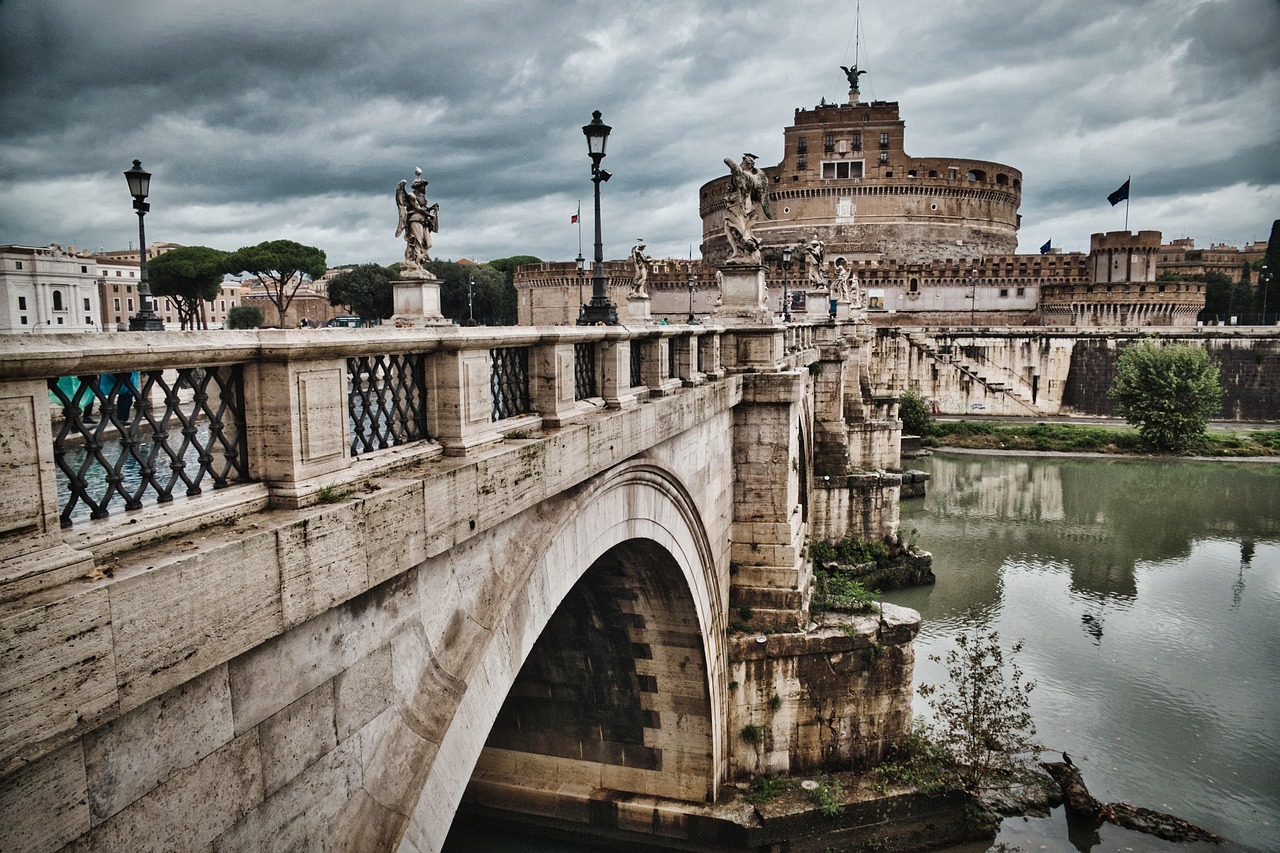
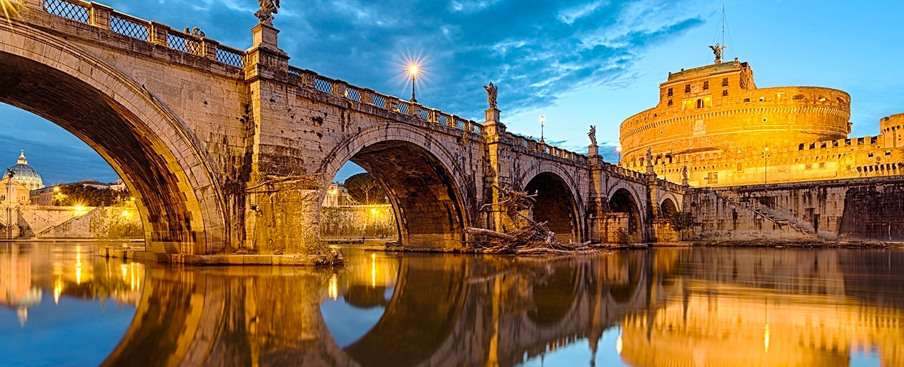
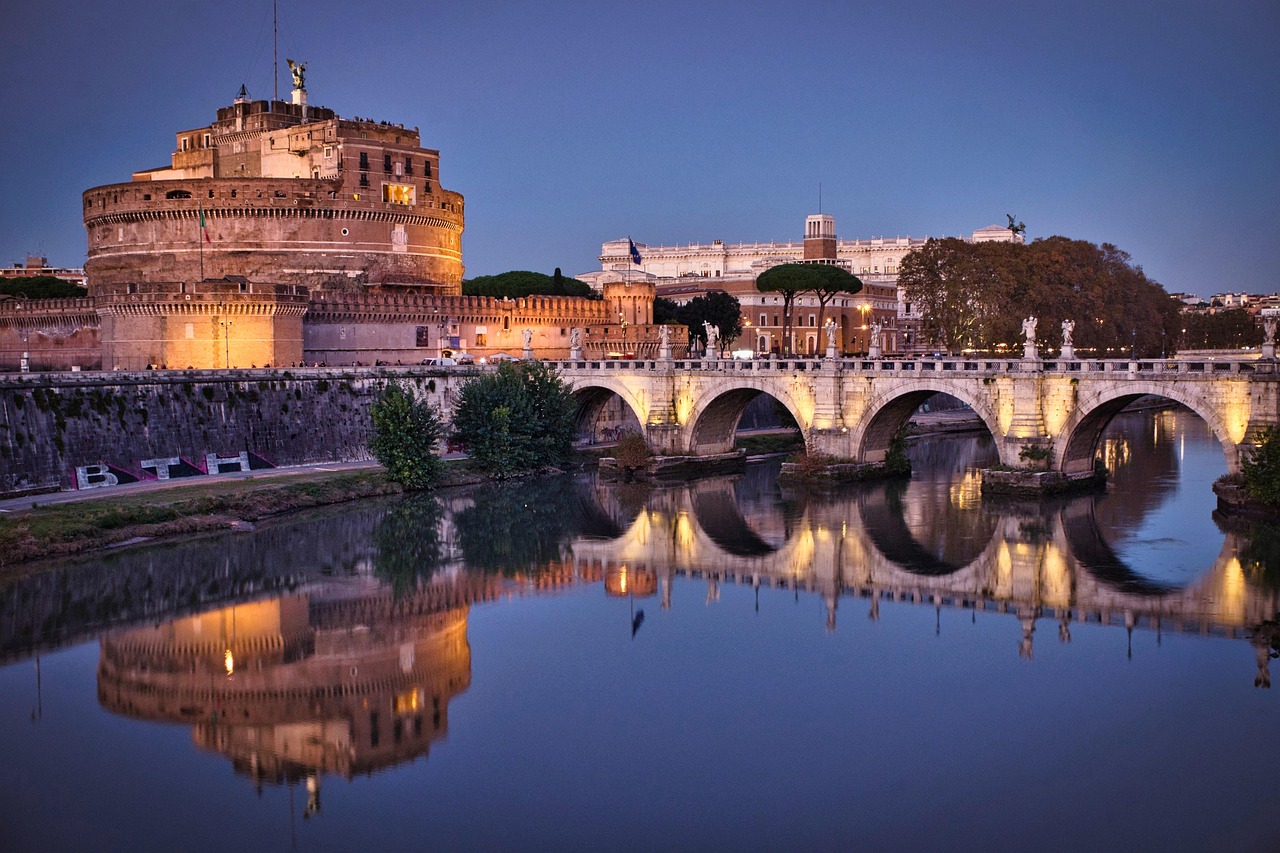
Nestled along the banks of the Tiber River in the heart of Rome, Castel Sant'Angelo stands as a testament to the city’s rich history and architectural grandeur. Originally constructed in 123 AD as a mausoleum for Emperor Hadrian and his family, this remarkable structure has transformed through the centuries, serving as a fortress, papal residence, and museum.

Castel Sant'Angelo - Roma - Roma | Secret World Trip Planner

### History and Origins

The story of Castel Sant'Angelo begins with Emperor Hadrian, who sought a dignified resting place for himself and his lineage. The mausoleum was part of the Ager Vaticanus, strategically located on the right bank of the Tiber. After Hadrian's death, the construction continued under his successor, Antoninus Pius, and was eventually used to entomb several subsequent emperors, including Marcus Aurelius.

Castel Sant'Angelo - Roma - Roma | Secret World Trip Planner

In the early 6th century, with the decline of the Roman Empire, the mausoleum was repurposed. It was transformed into a fortress, providing refuge for popes during times of conflict. The most significant architectural addition during this period was the Passetto di Borgo, a fortified corridor connecting Castel Sant'Angelo to St. Peter’s Basilica. This allowed popes to escape from threats in the city, most notably during the sack of Rome in 1527.

One of the notable popes associated with Castel Sant'Angelo is Pope Nicholas III, who, in the late 13th century, commissioned significant renovations, including the construction of the elegant Cappella di San Michele at the top of the fortress. This chapel houses a statue of the Archangel Michael, which inspired the castle's name and symbolizes divine protection over the city.

### Art and Architecture

The architectural style of Castel Sant'Angelo is a fascinating blend of Roman, medieval, and Renaissance influences. Originally designed as a circular mausoleum adorned with marble and sculptures, its transformation into a fortress resulted in a more robust and imposing structure. The walls are thick and fortified, with a circular base that tapers to an octagonal structure at the top, crowned by the statue of Saint Michael.

Inside, the castle boasts a wealth of stunning artwork, including frescoes by artists such as Raphael and Guido Reni. The Papal Apartments, located on the upper floors, showcase intricate decorations and offer a glimpse into the opulent lifestyle of the popes who once resided here. The fortress’s museum now displays artifacts from its long history, including military memorabilia and Renaissance art.

### Local Culture and Traditions

The area surrounding Castel Sant'Angelo is steeped in local culture and history. Rome's vibrant festivals, such as Carnevale and Festa di San Giovanni, often feature events near the castle. On the evening of June 29, the Feast of Saints Peter and Paul, a grand celebration takes place, where the castle is illuminated, and fireworks light up the sky, drawing locals and tourists alike.

One tradition that persists in the shadow of Castel Sant'Angelo is the practice of Tiber swimming. Every summer, daring locals dive into the river, celebrating the warmth and vibrancy of Roman life. This tradition is a symbol of resilience and joy, reflecting the spirit of the city.

### Gastronomy

The culinary delights of the Castel Sant'Angelo area are just as rich as its history. Visitors can indulge in classic Roman dishes such as Cacio e Pepe, a simple yet flavorful pasta made with cheese and pepper, and Saltimbocca alla Romana, a savory dish of veal, prosciutto, and sage.

Nearby, the bustling Trastevere district offers a myriad of trattorias where one can sample local wines, such as Frascati and Cesanese, complementing the robust flavors of Roman cuisine. Don't miss the opportunity to enjoy a gelato as you stroll along the Tiber, especially from the renowned Gelateria dei Gracchi.

### Lesser-known Curiosities

While many tourists flock to Castel Sant'Angelo for its grandeur, some intriguing stories often go unnoticed. One such tale involves the Angel of Death, a mythical figure said to guard the castle. Local lore suggests that the spirit of Hadrian himself still wanders the halls, ensuring that his legacy endures.

Another hidden gem is the secret passageways within the castle. These tunnels were once used by popes to evade danger and are now a fascinating aspect of the fortress’s history. Exploring these hidden corridors offers a unique perspective on the castle's strategic importance throughout the centuries.

### Practical Visitor Information

The best time to visit Castel Sant'Angelo is during the spring and fall, when the weather is mild and the crowds are thinner. Early morning or late afternoon visits are ideal for capturing stunning photographs with the golden light of the setting sun reflecting on the Tiber.

When planning your visit, be sure to check the castle's official website for current exhibitions and events. Look for the Cappella di San Michele and the panoramic views from the top terrace, where you can admire the breathtaking vistas of Rome.

As you wander through the corridors of history at Castel Sant'Angelo, take a moment to appreciate the stories etched into its ancient stones. For a truly personalized exploration of this enchanting city, consider using the Secret World app to plan your itinerary.

🗺 AI Trip Planner

Plan your visit to Roma

Suggested itinerary near Castel Sant'Angelo - Roma

MAJ+
500.000+ travelers worldwide
  1. 🌅
    Morning
    Castel Sant'Angelo - Roma
    📍 Roma
  2. ☀️
    Afternoon
    Napoleonic Museum of Rome
    📍 0.5 km da Roma
  3. 🌆
    Evening
    The vanishing Rubens painting
    📍 0.5 km da Roma

Buy Unique Travel Experiences

Powered by Viator

See more on Viator.com

Explore nearby · Roma