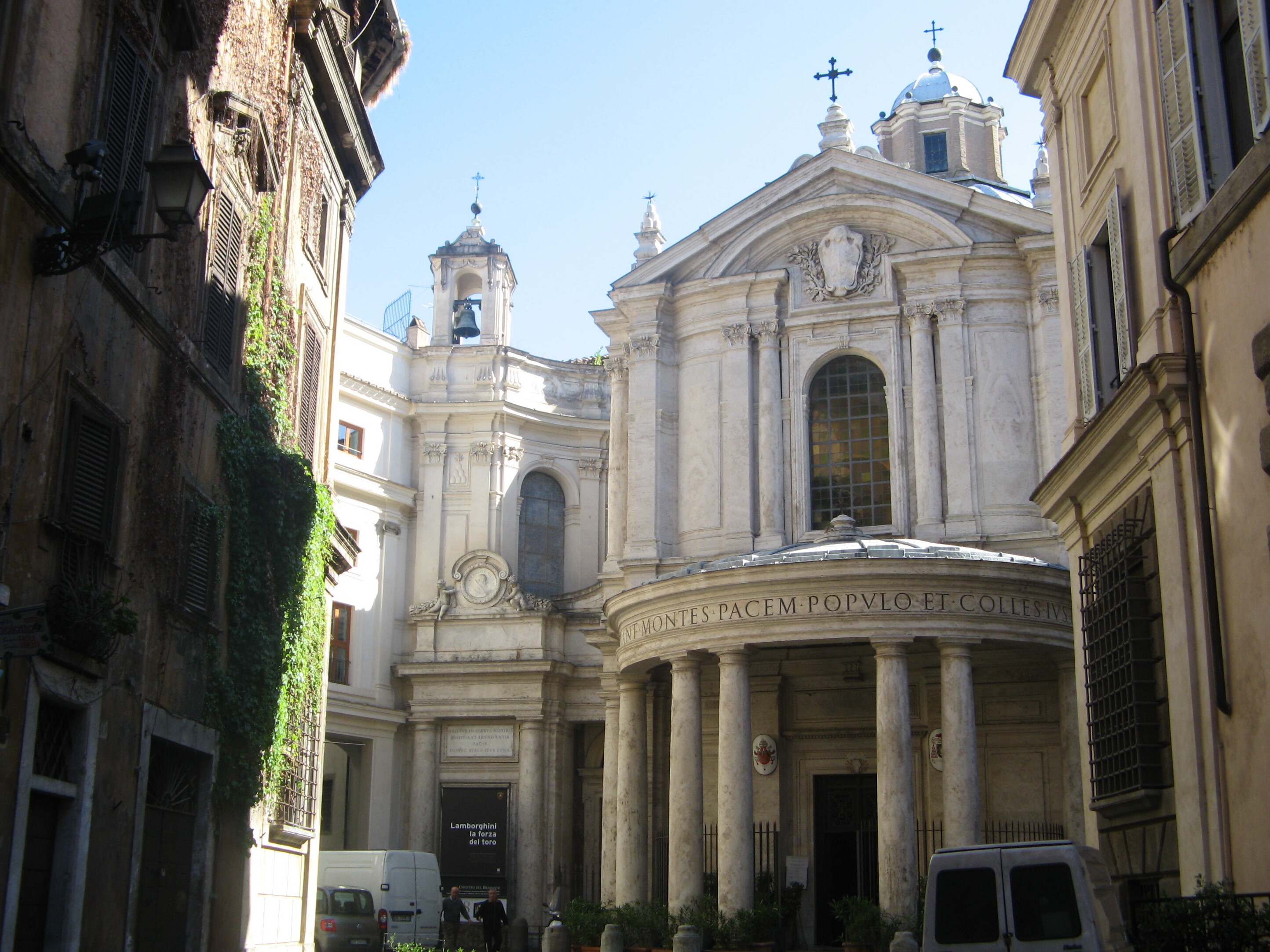

Nestled in the heart of Rome, Santa Maria della Pace is a hidden gem that embodies the rich history and artistic heritage of the Eternal City. Often overlooked by visitors rushing to more famous landmarks, this church offers a unique glimpse into the Renaissance and Baroque eras, showcasing the genius of Raphael and the architectural brilliance of Pietro da Cortona.
### History and Origins The origins of Santa Maria della Pace can be traced back to the late 15th century when it was founded on the site of the medieval chapel of Sant'Andrea de Acquaricariis. Pope Sixtus IV, known for his significant contributions to the arts and architecture in Rome, likely commissioned the church’s construction. The initial design was executed by the architect Baccio Pontelli, but it was the renowned Pietro da Cortona who, in the 17th century, transformed it into its current Baroque form.
The church was consecrated in 1656, and its location at Piazza Santa Maria della Pace became a vital part of the urban fabric, evolving into a space that reflects the artistic and cultural movements of its time. The square itself is a wonderful example of Baroque urban design, serving as a theatrical backdrop for the church that stands proudly at its center.
### Art and Architecture The architectural style of Santa Maria della Pace is quintessentially Baroque, characterized by its dynamic forms and dramatic use of light. The most striking feature is the façade, which boasts a semicircular pronaos, a hallmark of Pietro da Cortona’s work. This grand entrance creates an inviting yet imposing presence that beckons visitors to explore further.
Inside, the church is adorned with frescoes by Raphael, particularly the stunning “The Prophet Isaiah” and “The Prophet Ezekiel”, which are part of the Cappella Chigi. These works not only highlight Raphael's exceptional talent but also his ability to convey deep emotion and spirituality through his art. The church also features works by other prominent artists, including Carlo Maderno, who contributed to the interior design, and the serene cloisters designed by Donato Bramante, which offer a moment of tranquility amidst the bustling city.
### Local Culture and Traditions Santa Maria della Pace is more than just a church; it is a vibrant part of the local culture. The square often hosts various cultural events and festivals that draw both locals and tourists alike. One notable event is the Feast of the Assumption, celebrated on August 15th, when the community gathers to honor the church's patroness with processions and religious festivities.
In addition to religious observances, the area around the church is home to a lively market scene, particularly in the afternoons, where locals sell fresh produce, artisanal goods, and traditional Roman delicacies. This vibrant atmosphere is part of what makes a visit to Santa Maria della Pace a truly immersive experience.
### Gastronomy No visit to Santa Maria della Pace would be complete without indulging in the local gastronomy. The nearby streets are lined with trattorias and cafés offering delectable Roman dishes. Try the classic Cacio e Pepe, a simple yet flavorful pasta dish made with Pecorino Romano cheese and black pepper. For a sweet treat, don’t miss the Maritozzo, a fluffy bun filled with whipped cream, perfect for enjoying in the square’s relaxing ambiance.
Additionally, sip on a glass of Frascati wine, a local white wine that pairs beautifully with the region’s cuisine, allowing you to fully embrace the culinary delights of Rome.
### Lesser-Known Curiosities While many tourists flock to the more famous sites, Santa Maria della Pace holds its own secrets. One such curiosity is the hidden chapel, where the original medieval structure can still be seen, offering a glimpse into the church’s past. Additionally, the church's name, which translates to “Saint Mary of Peace,” reflects the peace that the area sought to embody, especially during tumultuous times in Rome’s history.
### Practical Visitor Information The best time to visit Santa Maria della Pace is early in the morning or late afternoon when the light filters beautifully through the church’s windows, illuminating Raphael's frescoes in a magical glow. Admission is free, but donations are appreciated to help maintain this historical site.
When visiting, be sure to take your time to appreciate the intricate details of the architecture and the serene atmosphere of the square. A quiet moment spent in the cloisters can provide a refreshing respite from the city's hustle and bustle.
For those looking to explore this magnificent church and its surroundings in greater depth, consider using the Secret World app for a personalized itinerary in Rome that highlights both the iconic and hidden gems.
Whether you’re an art enthusiast, a history buff, or simply seeking a peaceful spot to reflect, Santa Maria della Pace is a treasure worth discovering.
