
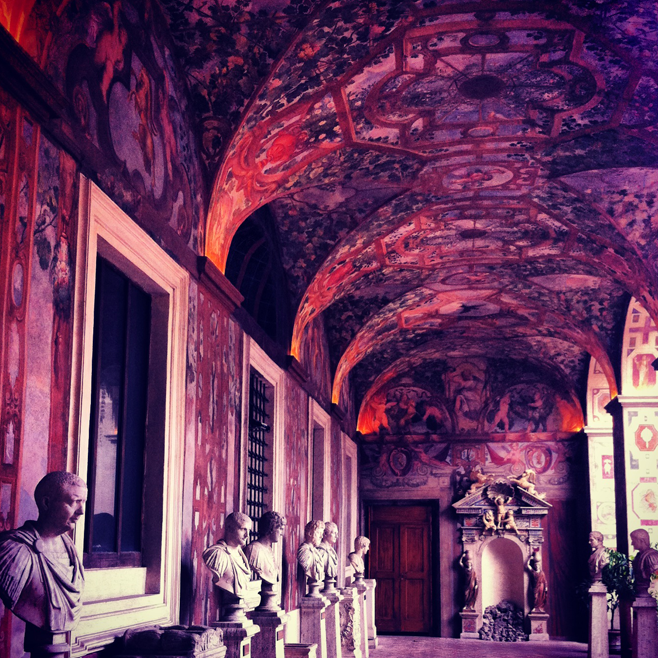

Nestled in the heart of Rome, the Palazzo Altemps is a magnificent testament to the city’s rich tapestry of history, art, and culture. This elegant building, which dates back to the 15th century, is a former residence of the Altemps family and has undergone various transformations, ultimately becoming part of the National Roman Museum. Its serene atmosphere and remarkable collections make it a true hidden gem worth exploring.
The origins of the Altemps Palace can be traced back to the ancient period when it was constructed over the ruins of a Roman villa. The Palazzo was originally built in the 15th century for the Cardinal Marco Sittico Altemps, a prominent figure known for his patronage of the arts. Throughout the centuries, the palace has witnessed many significant historical events, including the rise of the papacy in Rome and the flourishing of Renaissance culture. The building’s architectural style reflects a blend of Renaissance and Baroque influences, with grand courtyards, intricate frescoes, and elegant staircases that invite visitors to step back in time.
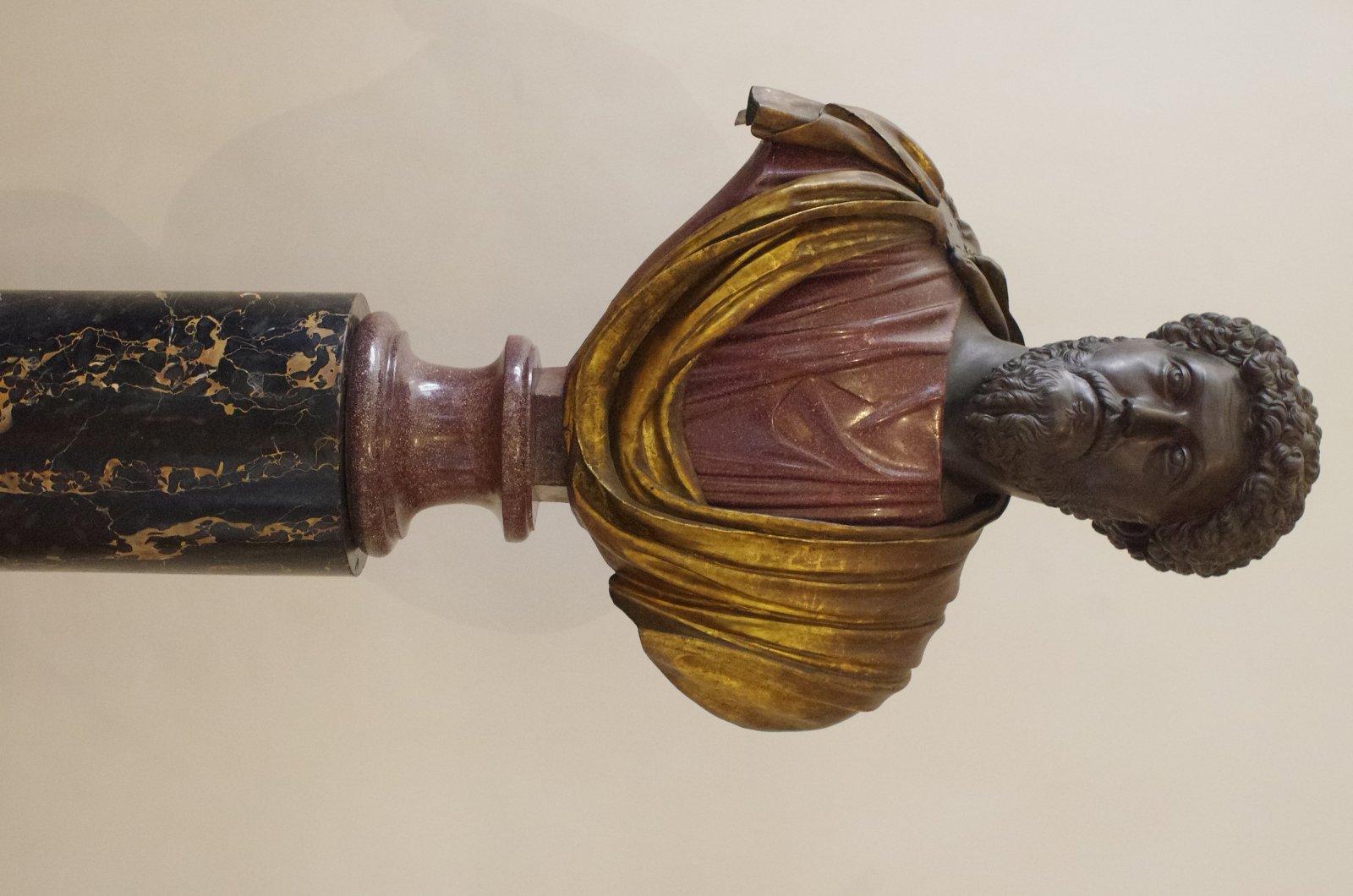
As you wander through the halls of Altemps Palace, you will encounter an impressive collection of Roman, Greek, and Egyptian statues, making it one of the largest collections of Egyptian artifacts in Rome. This diverse assemblage includes works from various periods, showcasing the artistic brilliance of ancient civilizations. Among the highlights are the exquisite marble sculptures that adorn the rooms, such as the stunning statue of Hercules and an impressive bust of Emperor Hadrian. Each piece tells a story, reflecting the cultural exchanges that occurred through trade and conquest in the ancient world.
The architecture of the palace is equally captivating. The Renaissance façade features a harmonious combination of classical elements, while the interiors boast rich decorations, including frescoes painted by notable artists of the time. One of the most striking features is the Chapel of St. John the Baptist, adorned with intricate frescoes that depict biblical scenes. The palace's layout, with its grand galleries and intimate rooms, allows visitors to experience the grandeur of Roman life while appreciating the artistic mastery of the past.
Local culture is deeply intertwined with the history of Altemps Palace. The surrounding neighborhood, known as Sant’Angelo, is vibrant with life and tradition. The area hosts various festivals throughout the year, including the Feast of St. John, celebrated in June with colorful processions and lively street performances. These local customs provide a window into the heart of Roman life, where ancient traditions blend seamlessly with modern celebrations.
No visit to the Palazzo Altemps would be complete without indulging in the local gastronomy. The area is famous for its Roman cuisine, characterized by simple yet flavorful dishes. Be sure to try Cacio e Pepe, a classic pasta dish made with cheese and pepper, or Saltimbocca alla Romana, a delicious veal dish wrapped in prosciutto and sage. Pair your meal with a glass of Frascati wine, a delightful white wine from the nearby hills, to truly savor the flavors of the region.
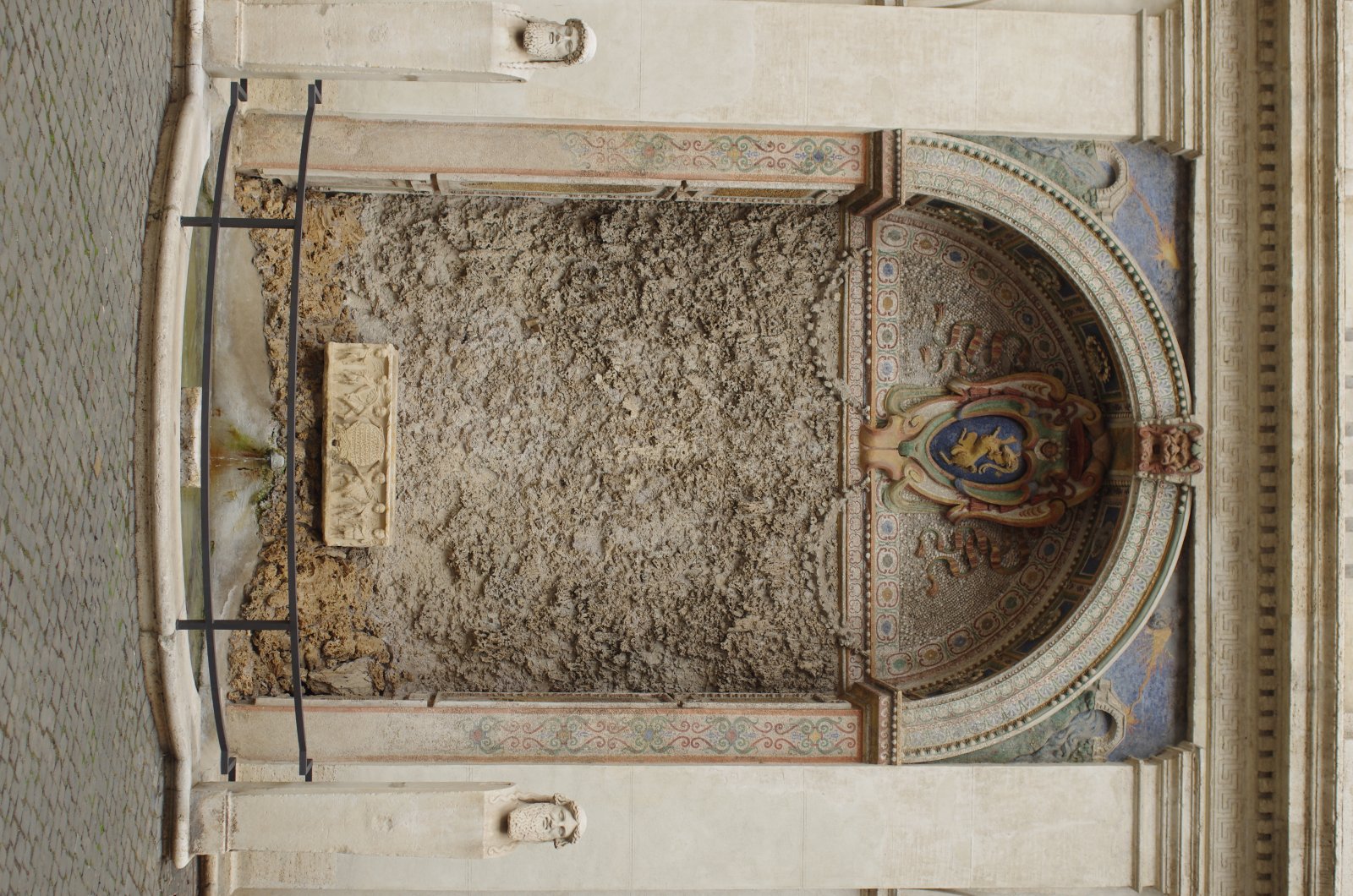
For those seeking lesser-known curiosities, the palace holds several intriguing secrets. One such story involves the Egyptian mummies housed within the museum. These artifacts, often overlooked by visitors, provide a glimpse into the fascinating world of ancient Egyptian burial practices. Additionally, the palace’s courtyard features an ancient Roman sarcophagus that has been transformed into a fountain, symbolizing the blending of cultures throughout history.
When planning your visit to the Altemps Palace, the best time to go is during the spring and fall months when the weather is mild, and the crowds are thinner. Be sure to allocate sufficient time to explore the various exhibits, as each room offers a unique perspective on Roman history and art. For a more immersive experience, consider joining a guided tour, which often includes fascinating insights and stories about the artworks and the palace itself.
As you stroll through the enchanting halls of Palazzo Altemps, allow yourself to be transported to another time, where art and history converge in a beautiful symphony. Discovering this hidden treasure in Rome will undoubtedly enrich your understanding of the city’s cultural heritage.
For an unforgettable experience in Rome, consider using the Secret World app to create a personalized itinerary that includes the best of what this remarkable city has to offer.


