
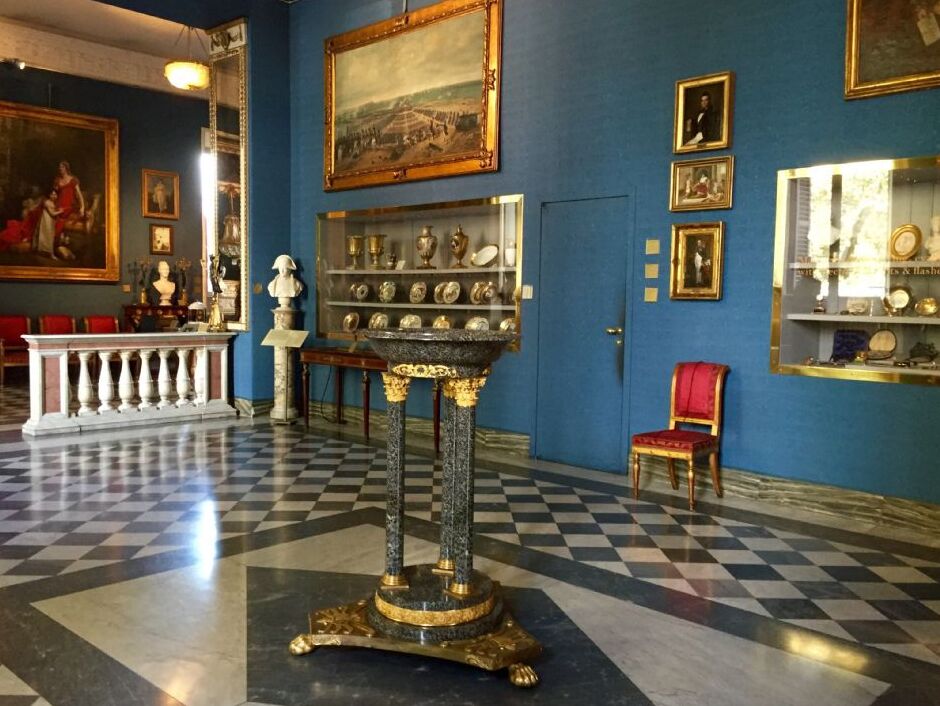

Nestled within the heart of Rome, the Napoleonic Museum offers visitors a captivating journey through the legacy of one of history's most intriguing figures, Napoleon Bonaparte. Established in 1927, this museum is primarily rooted in the vast collection of Count Giuseppe Primoli, a direct descendant of the Bonaparte family. Primoli's donation not only enriched the cultural fabric of the city but also preserved a significant chapter of European history.

The origins of the museum trace back to the tumultuous period of the late 18th and early 19th centuries, a time marked by Napoleon’s rise and fall. After his abdication in 1814, the echoes of his empire lingered in the hearts and minds of many, particularly within Italy, where the influence of French culture was profound. The museum itself is housed in a splendid 18th-century palace, which bears witness to the stylistic transitions of its time, notably the grand Neoclassical architecture that defines much of the surrounding area.
As you step inside, the museum greets you with three distinct sections, each narrating a different chapter of the Napoleonic saga. The first section delves into the Napoleonic period, showcasing a stunning array of paintings, busts, and sculptures by renowned artists. Here, you can admire the regal portrayals of Napoleon and his family, including Josephine, and the artistic endeavors that celebrated their imperial splendor. The grandeur of these works reflects the cultural vitality of the era, making it a treasure trove for art enthusiasts.

Transitioning to the Roman period, visitors can explore artifacts that highlight the transitional years following Napoleon I's fall. This segment not only illustrates the shifting political landscape but also gives insight into how the legacy of Napoleon I influenced his nephew, Napoleon III. The artifacts from this era, including documents and personal items, paint a vivid picture of the complexities of identity and power in a post-Napoleonic Europe.
The final section, dedicated to the Second Empire, captures the essence of France’s imperial ambitions under Napoleon III. The collection boasts an impressive variety of furniture, engravings, and decorative arts, showcasing the opulence of the time. It’s a reflection of how the aesthetic values established during Napoleon's reign continued to resonate through the subsequent decades, influencing both French and Italian cultural landscapes.
Architecturally, the museum is a feast for the eyes. The 18th-century ceilings adorned with painted beams and the intricate friezes are remnants of artistic craftsmanship from a bygone era. Notably, the friezes in rooms VIII and IX are dated to the early 19th century, reflecting the artistic styles that flourished when the Primoli family took ownership of the palace. The rampant lion and the eagle, symbols of the Primoli and Bonaparte families respectively, embellish the spaces, providing a visual connection to their storied history.
Local culture around the Napoleonic Museum is a vibrant tapestry woven from centuries of tradition. Rome is a city that celebrates its rich history through various festivals and customs. Notably, the Festa della Repubblica on June 2nd commemorates the establishment of the Republic and showcases a blend of military parades and cultural displays, echoing the historical significance of leaders like Napoleon. Visitors can immerse themselves in this living history by participating in local festivities or enjoying traditional Roman customs in nearby piazzas.
No visit to Rome would be complete without indulging in its renowned gastronomy. The area surrounding the museum offers a plethora of delightful culinary experiences. Traditional Roman dishes such as Cacio e Pepe and Carbonara are must-tries, often paired with a glass of Frascati, a local white wine. The blend of flavors here reflects centuries of culinary evolution, with influences from both Roman and French cuisines due to Napoleon's historical ties.
Among the lesser-known curiosities of the Napoleonic Museum is the story of how the collection came to be. Count Primoli, who was born in 1851, was not merely a collector; he was a passionate historian who sought to preserve the Napoleonic legacy. His familial ties to Napoleon ensured that many of the pieces in the museum are imbued with personal histories, offering a unique glimpse into the life of a family intertwined with the fabric of European history.
For those planning a visit, the best time to explore the Napoleonic Museum is during the spring (April to June) or early autumn (September to October) when the weather is mild and the crowds are thinner. Be sure to spend time in the quieter rooms, where the atmosphere allows for reflection on the monumental events that shaped Europe. Look out for guided tours that delve deeper into the stories behind the objects, providing context that enriches the experience.
In conclusion, the Napoleonic Museum of Rome stands as a testament to a complex and fascinating period in history. It invites visitors not just to observe, but to engage with the stories of ambition, power, and legacy that defined an era. To make the most of your exploration in Rome, consider using the Secret World app for a personalized AI itinerary.


