
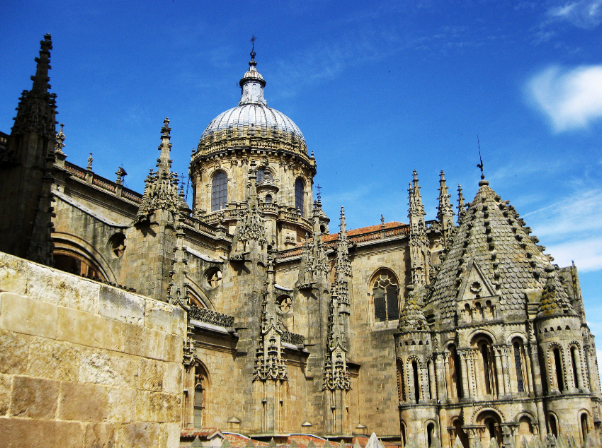

In the heart of Salamanca, a city renowned for its historical and academic significance, stands the Catedral Vieja de Santa María de la Sede, a monument not only to faith but to the architectural prowess of a bygone era. This ancient cathedral, lovingly referred to as the Old Cathedral, offers a glimpse into the medieval soul of Spain, its stones whispering tales of history and artistry.
The Old Cathedral was founded in the early 12th century, a time when Salamanca was a burgeoning hub of culture and learning. Constructed between 1100 and 1200, it is one of the finest examples of the Romanesque style in Spain. Unlike many buildings that were heavily altered over centuries, the Old Cathedral retains much of its original design, providing a pure window into medieval ecclesiastical architecture. During the time of its construction, Salamanca was experiencing a period of growth and transformation, partially due to the influence of scholars and the establishment of the University of Salamanca in 1218.
The architectural style of the Old Cathedral is a testament to the Romanesque tradition, characterized by sturdy pillars, rounded arches, and thick walls. One of its most remarkable features is the Torre del Gallo, a tower crowned by a weather vane shaped like a rooster, which has become an iconic symbol of Salamanca. Inside, the cathedral houses exquisite frescoes, including the Apocalypse Cycle, which depicts vivid scenes from the Book of Revelation. The Capilla de Santa Bárbara, a chapel within the cathedral, is particularly significant; here, doctoral candidates from the University of Salamanca have defended their theses since the medieval period.
The cultural tapestry of Salamanca is intricately woven with the Old Cathedral as a central thread. The city celebrates various festivals, such as the Semana Santa (Holy Week), where the cathedral plays a pivotal role in processions and ceremonies. These events are not just religious observances but also vibrant displays of local traditions and community spirit, drawing visitors from across the globe.
Salamanca’s gastronomy is as rich and varied as its history. Visitors to the Old Cathedral should not miss the opportunity to savor local delicacies such as hornazo, a savory pie filled with pork loin, chorizo, and hard-boiled eggs, traditionally enjoyed during the festivities of Lunes de Aguas. For those with a sweet tooth, chochos, sugary treats made from almonds, offer a delightful taste of local confectionery.
Beyond its architectural grandeur and historical significance, the Old Cathedral harbors lesser-known curiosities. Tucked away in its intricate stonework are whimsical carvings, like a curious depiction of a dragon eating an ice cream cone—a playful detail added during restoration, blending modernity with tradition. Another intriguing feature is the Cimborrio, a dome that stands as a masterpiece of Romanesque engineering, with its intricately carved stone ribs and celestial motifs.
For travelers planning a visit, the best time to experience the Old Cathedral is during the spring and autumn months, when the weather is mild and the city is alive with cultural events. To make the most of your visit, consider exploring the cathedral in the early morning or late afternoon, when the play of light through its stained glass windows paints the interior with a kaleidoscope of colors.
When visiting, take a moment to appreciate the Retablo Mayor, the main altarpiece, a stunning example of Gothic art that narrates the life of Christ and the Virgin Mary through its detailed panels. Also, don’t miss the chance to climb the ancient bell tower, offering panoramic views of Salamanca’s terracotta rooftops and the surrounding countryside.
In essence, the Catedral Vieja de Santa María de la Sede is not merely a monument; it is a living testament to the enduring spirit of Salamanca. Its walls have witnessed centuries of change and continue to stand as a beacon of history, culture, and beauty. Whether you are a history enthusiast, an art lover, or a curious traveler, the Old Cathedral promises an experience that resonates long after you leave its hallowed halls.


