
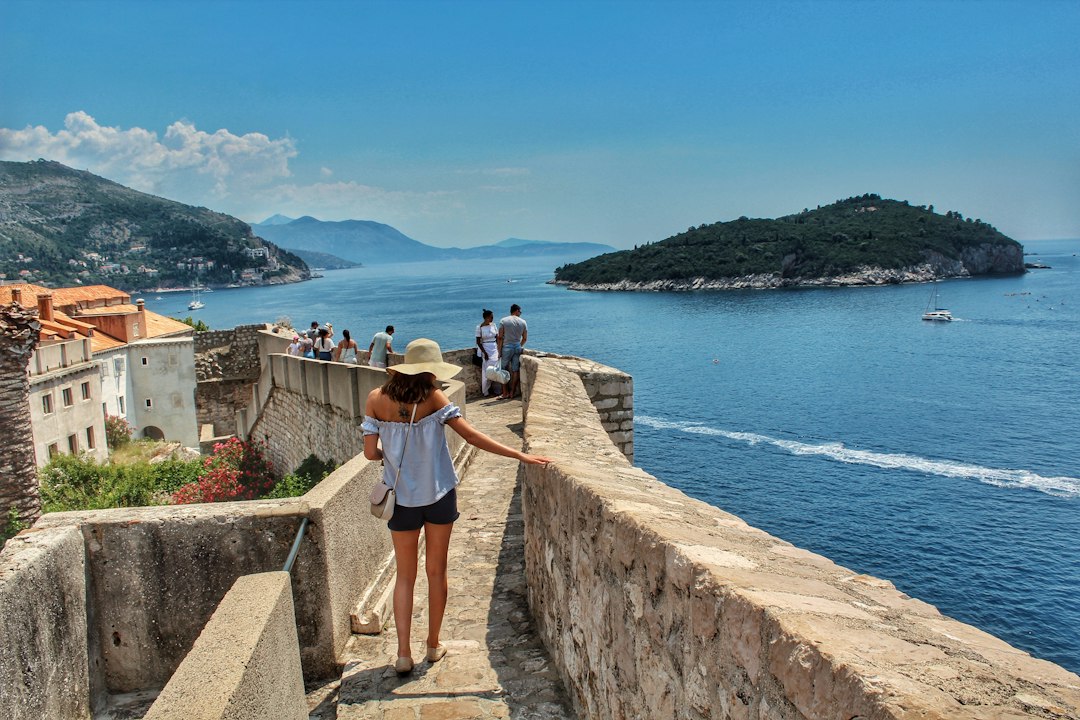

From a small terrace next to a baroque church, the Bay of Kotor opens up beneath you like a living map. We are in Špiljari, a tiny village clinging to the slopes of Montenegro, where a few houses and a handful of inhabitants guard what many travelers consider the most spectacular viewpoint over the entire bay. There are no turnstiles, no guides with raised umbrellas, no souvenir sellers. Just the wind, the stone, and a stretch of water that changes color with the passing hours.
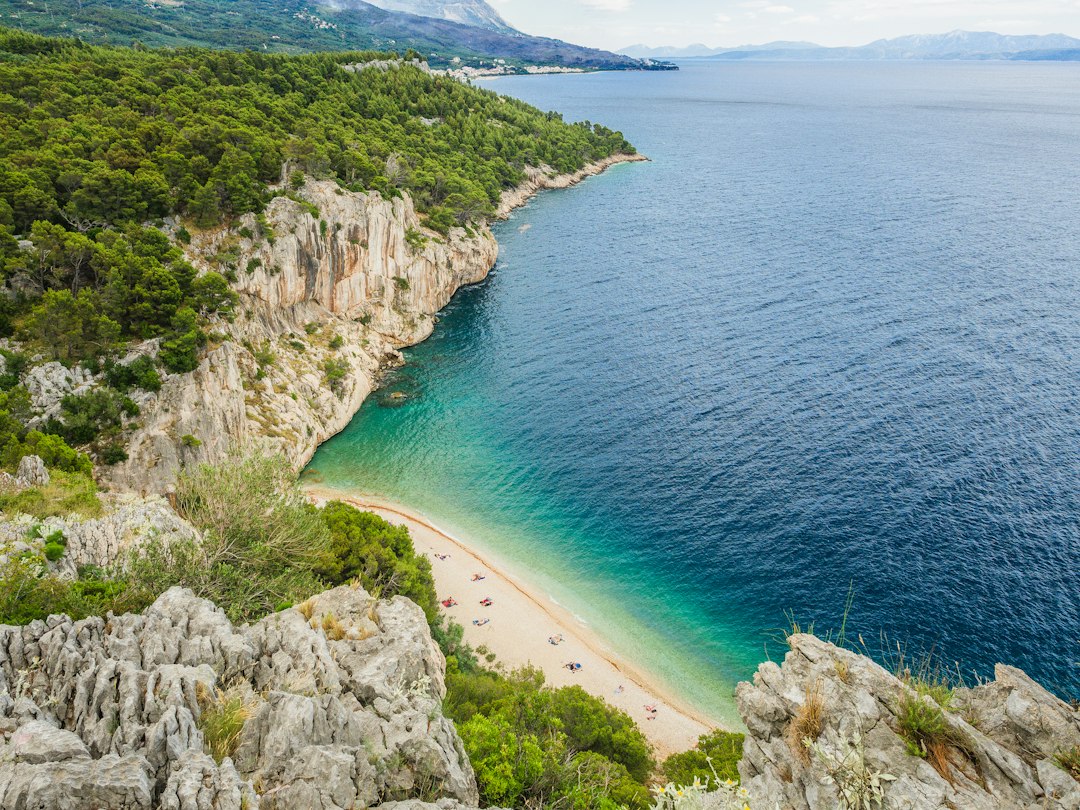
Špiljari is located on the heights overlooking the bay from the opposite side of the more famous winding road that climbs from Kotor to the Monastery of San Giovanni. That road, with its more than 25 hairpin turns, attracts hundreds of cars and tourist buses every day. Špiljari, on the other hand, remains almost invisible to mass itineraries, while offering a perspective on the bay that, in terms of breadth and depth, has no easily accessible rivals in the region.
The panorama: a natural architecture of water and mountain
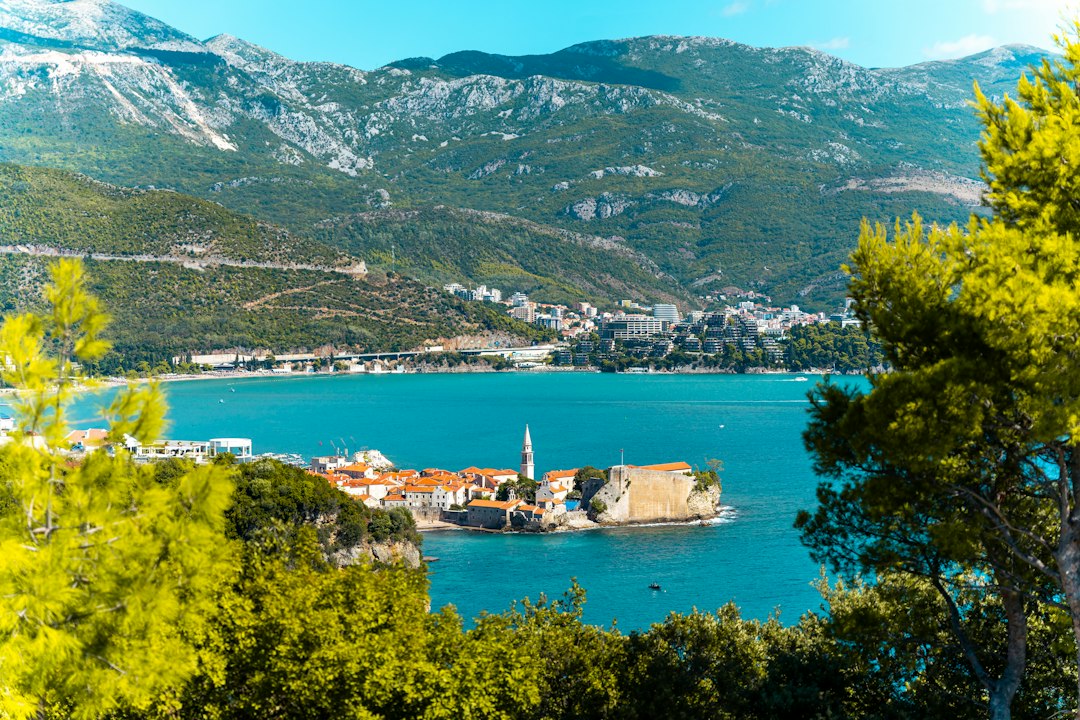
The Bay of Kotor is technically a karst fjord, one of the southernmost in Europe, and from Špiljari its shape reveals itself in its entirety. From the panoramic terrace next to the church, the gaze embraces the inner basin of the bay, with dark waters winding between the mountains of Lovćen and the Dinaric Alps. In the distance, the profiles of Perast can be recognized, with its two artificial islets — St. George and Our Lady of the Rocks — floating on the water like white dots on a gray-green mirror.
The visual depth is extraordinary: in a single glance, one can see villages, secondary bays, the ribbon of the coastal road, and peaks that exceed 1,700 meters in altitude. It is not a flat panorama. It is a landscape that stratifies vertically, where the sea reaches almost to the foot of the rocks and the houses climb as far as the stone allows.
The colors of the bay at different times of the day
In the early morning, when the light is still low and slanting, the water takes on shades of silver and steel, and the mountains cast long shadows that draw precise geometries on the surface of the bay. It is the moment when the contours are sharpest and photography captures the greatest depth. The fishing boats returning leave thin trails that last only a few minutes before dissolving.
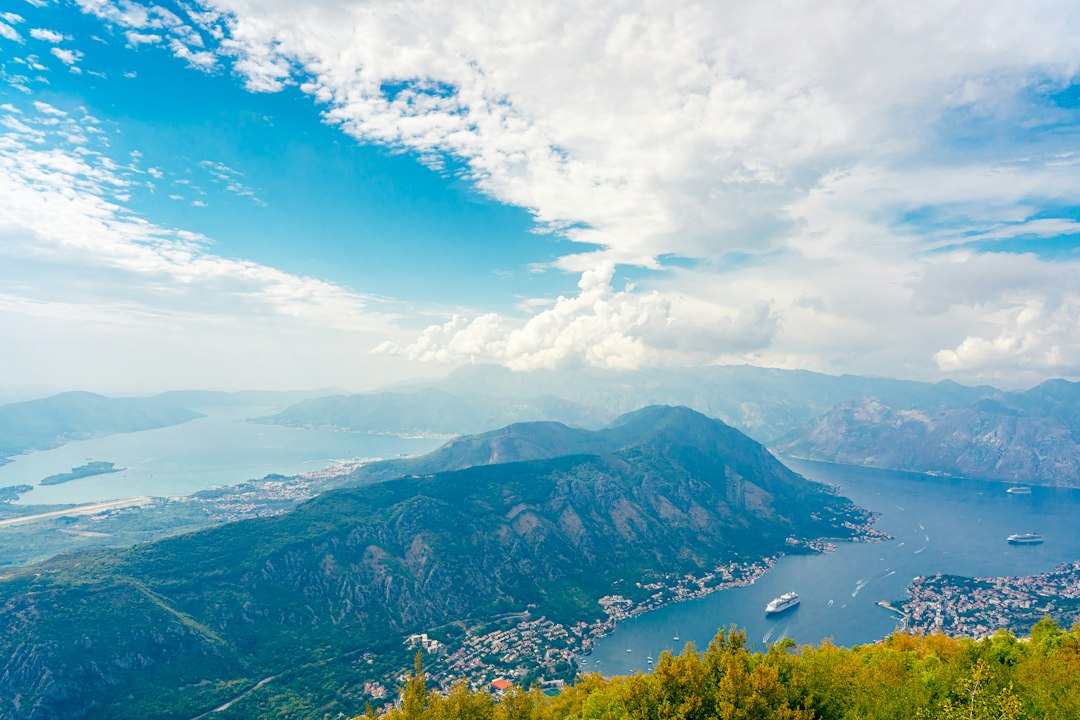
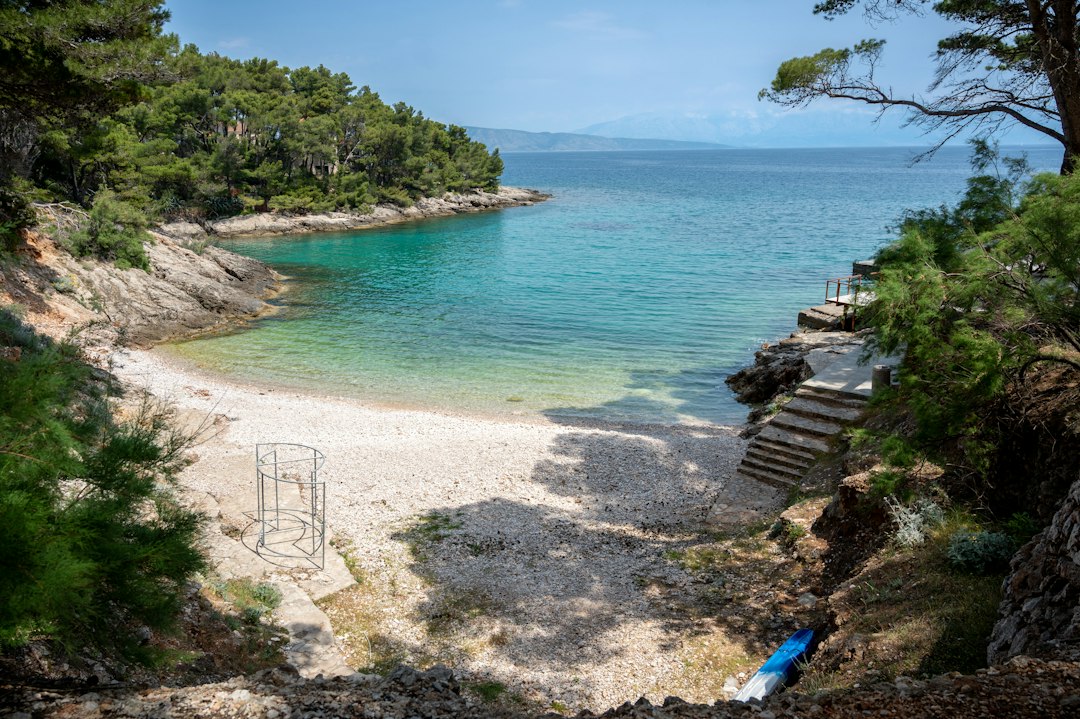
In the afternoon, as the sun moves westward, the bay warms up: the water becomes dark green towards the center and almost turquoise in the lower and sheltered areas near Perast. The mountains take on a side light that enhances their reliefs. At sunset, finally, the sky ignites and the waters reflect shades of orange and red that last for a handful of minutes — enough to justify the wait. The sunset from Špiljari is one of the most intense color displays that the eastern Adriatic coast can offer, precisely because the bay acts as a natural mirror amplifying every variation of light.
The Baroque Church and the Village Context
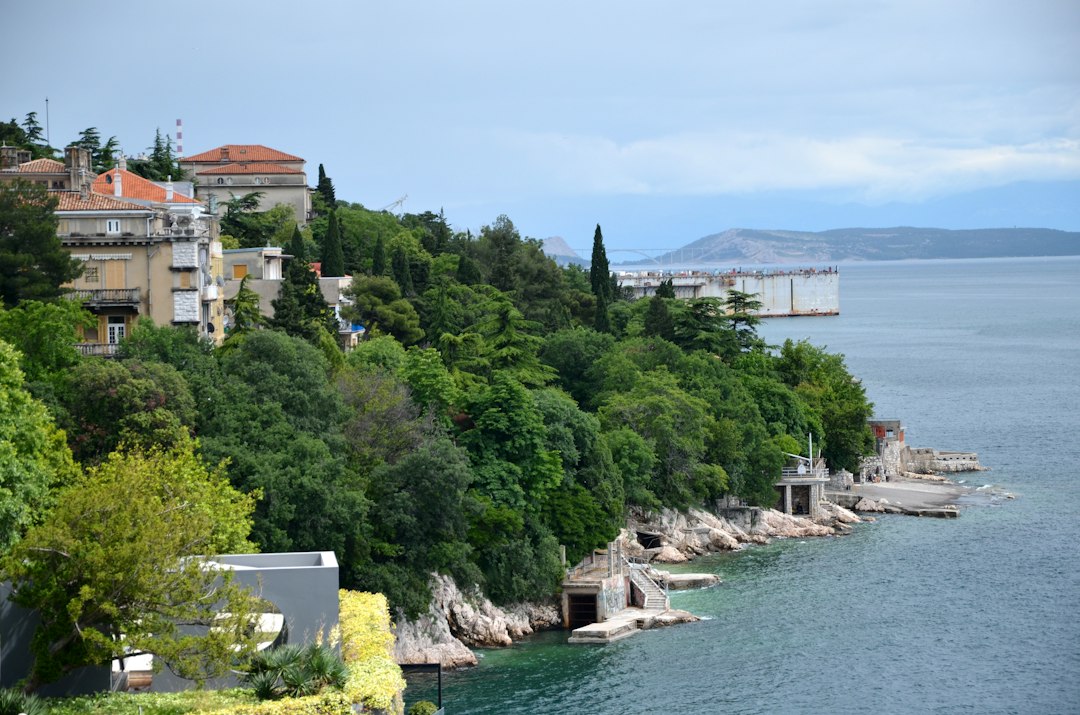
The panoramic terrace is located next to a small church in Baroque style, typical of Montenegrin religious architecture of the 17th and 18th centuries that spread along the Dalmatian coast under Venetian influence. The structure is made of local stone, with a sober facade and a slender bell tower. It is not a monument of international significance, but it is an integral part of the landscape: its presence perched above the bay creates a visual composition in which architecture and nature balance each other naturally.
The village of Špiljari has a few dozen inhabitants and retains the appearance of a traditional Montenegrin rural settlement. The houses are built of gray stone, the gardens are narrow and sloping, and the alleys are not designed for tourist traffic. This is exactly why the place works: it has not been adapted for visiting, and for this reason, it maintains an authenticity that the more well-known viewpoints have long lost.
How to get there and when to go
Špiljari can be reached by car from Kotor in about 20-30 minutes via secondary roads that rise inland. The road is narrow in some sections and requires attention, but it is passable with a regular vehicle. The most useful practical advice is to go there in the late afternoon on weekdays, when the light is ideal for photography and the likelihood of encountering other visitors is minimal. Avoid weekends during the high summer season (July and August), when even lesser-known routes begin to receive traffic. There is no entrance fee: access to the terrace is free and open. Bring water with you, as there are no bars or facilities for tourists in the village. The typical visit time is 30-45 minutes, but many choose to stay longer to wait for the sunset.


