
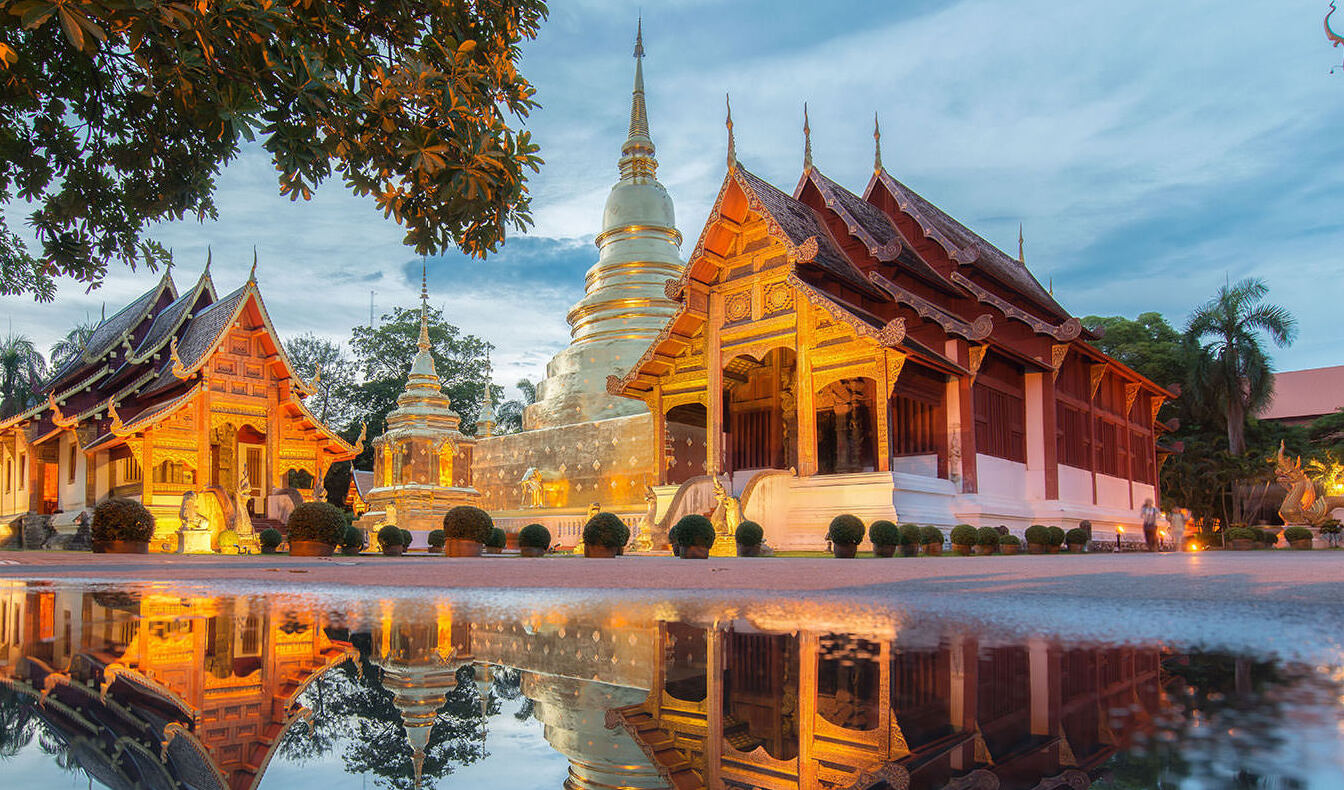

Nestled in the mountainous region of northern Thailand, Chiang Mai stands as a testament to the rich tapestry of history, culture, and tradition that defines the Kingdom of Lanna. Founded in 1296 by King Mengrai, this ancient city served as the capital of Lanna Kingdom until its annexation by the Siamese in the late 18th century. The city was strategically located along ancient trade routes, making it an essential hub for commerce, culture, and diplomacy. Over the centuries, Chiang Mai has witnessed a series of significant historical events, including the Burmese invasion in the 16th century and its eventual incorporation into the Kingdom of Siam.
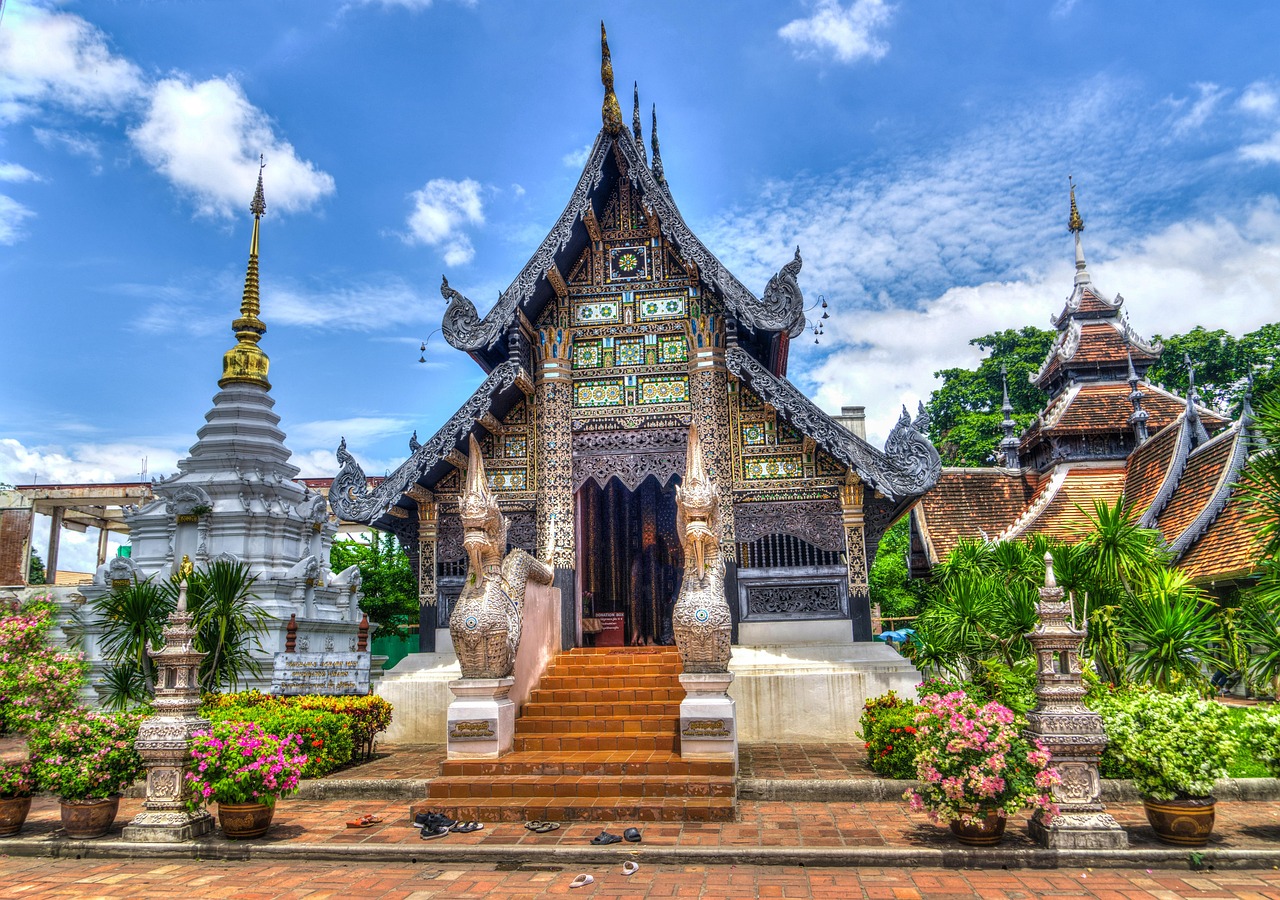
As you stroll through Chiang Mai Old Town, time seems to blur, transporting you back to an era where Lanna culture flourished. The Old Town, encircled by remnants of ancient walls and a moat, serves as an open-air museum filled with stunning temples, charming shops, and timeless architecture. The architectural style here reflects a unique blend of Burmese, Thai, and Lan Na influences. Notable structures such as Wat Chedi Luang, with its towering chedi dating back to the 15th century, and Wat Phra Singh, renowned for its exquisite Lanna-style architecture and intricate carvings, showcase the artistic prowess of the region. The artistry extends to vibrant murals, gilded decorations, and serene Buddha statues, all of which hold profound significance in the local spiritual life.
Local culture and traditions are deeply woven into the fabric of Chiang Mai’s identity. The city is known for its vibrant festivals, particularly the Yi Peng Lantern Festival, which occurs in November. During this enchanting event, thousands of lanterns illuminate the night sky, symbolizing the release of misfortunes and the arrival of good luck. Another important celebration is Songkran, the Thai New Year, marked by joyous water fights and rituals that honor the significance of purification. These festivals not only attract tourists but also reinforce community bonds and cultural values among the locals.

When it comes to gastronomy, Chiang Mai is a paradise for food lovers. The city is famous for its Khao Soi, a coconut curry noodle soup, often garnished with crispy noodles and served with lime and pickled mustard greens. Another local delight is Sai Oua, a spicy herbal sausage rich in flavors, best enjoyed with sticky rice. For a truly authentic experience, don’t miss the bustling Warorot Market, where you can sample an array of local snacks, fresh produce, and traditional sweets.
Beyond the well-trodden paths, Chiang Mai holds lesser-known curiosities that spark intrigue. One such gem is Wat Phan Tao, a wooden temple that is often overshadowed by its more famous neighbors. It features intricate carvings and a serene atmosphere, making it a perfect spot for quiet reflection. Also, the city is home to the Lanna Folklife Museum, which offers insights into the everyday lives of the Lanna people, showcasing traditional crafts, clothing, and local customs that have been preserved through the ages.
For those planning a visit, the best time to explore Chiang Mai is during the cooler months from November to February, when temperatures are mild and pleasant. However, if you’re interested in experiencing the city during its vibrant festivals, the months of April and November are particularly lively. When navigating the Old Town, walking is the best way to immerse yourself in the surroundings. Look out for local artisans, street food vendors, and hidden temples that may not be on the main tourist maps.
Chiang Mai is not just a destination; it is an experience that captivates the heart and soul. With its rich history, stunning architecture, vibrant culture, and delectable cuisine, it invites visitors to explore its depths and discover its stories.
For a personalized journey through Chiang Mai’s enchanting streets and hidden gems, consider using the Secret World app to craft your ideal itinerary.


