
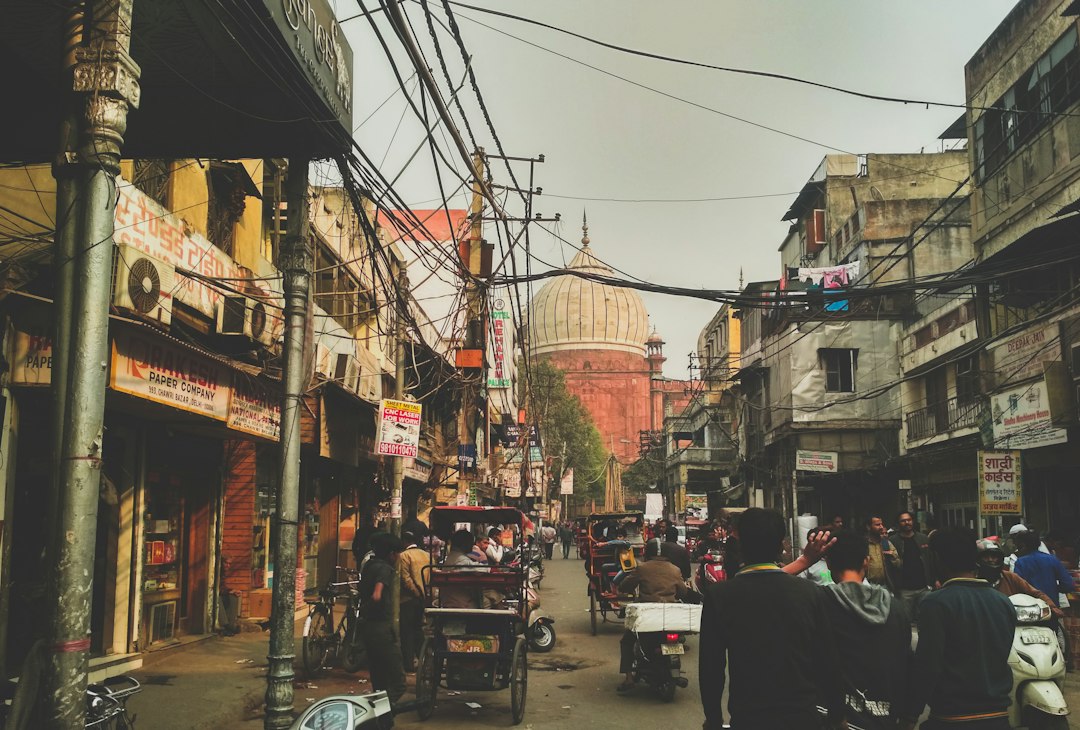

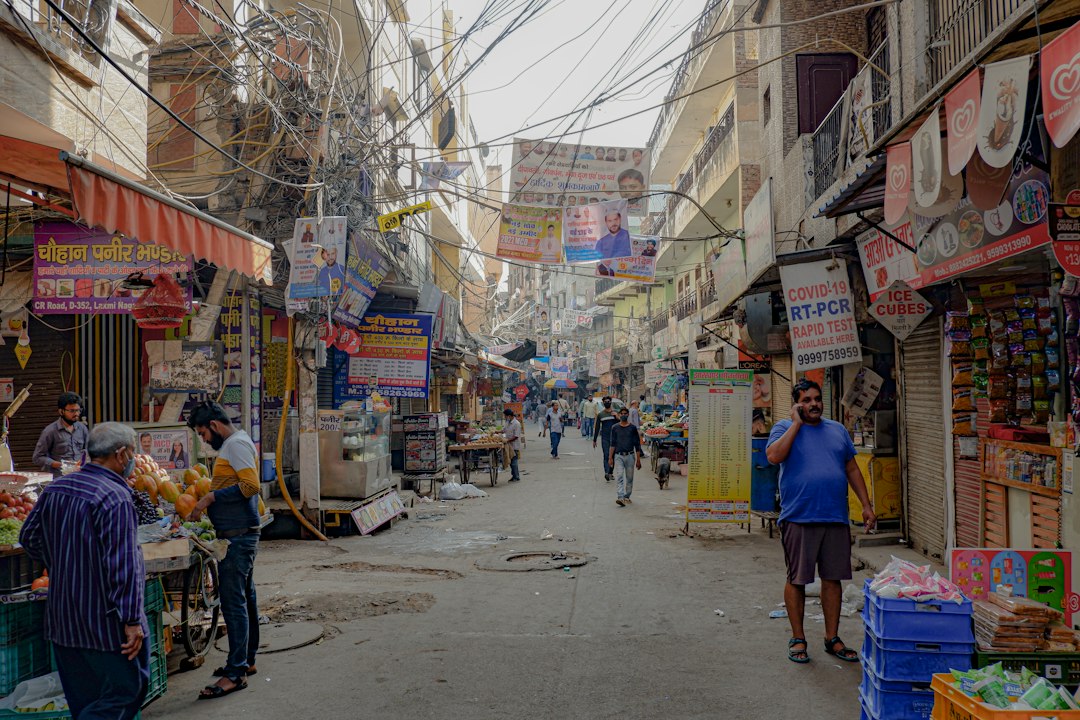
The smell of cardamom and bone marrow fat arrives even before seeing the stoves. In the narrow streets surrounding the Jama Masjid, the great mosque built by the Mughal emperor Shah Jahan between 1644 and 1656, one of the oldest culinary traditions of the Indian subcontinent is concentrated. Here, in the neighborhood of Matia Mahal and the adjacent streets of Chitli Qabar, food vendors work according to recipes passed down orally for generations, some of which date back to the time when Delhi was still Shahjahanabad, the imperial capital.
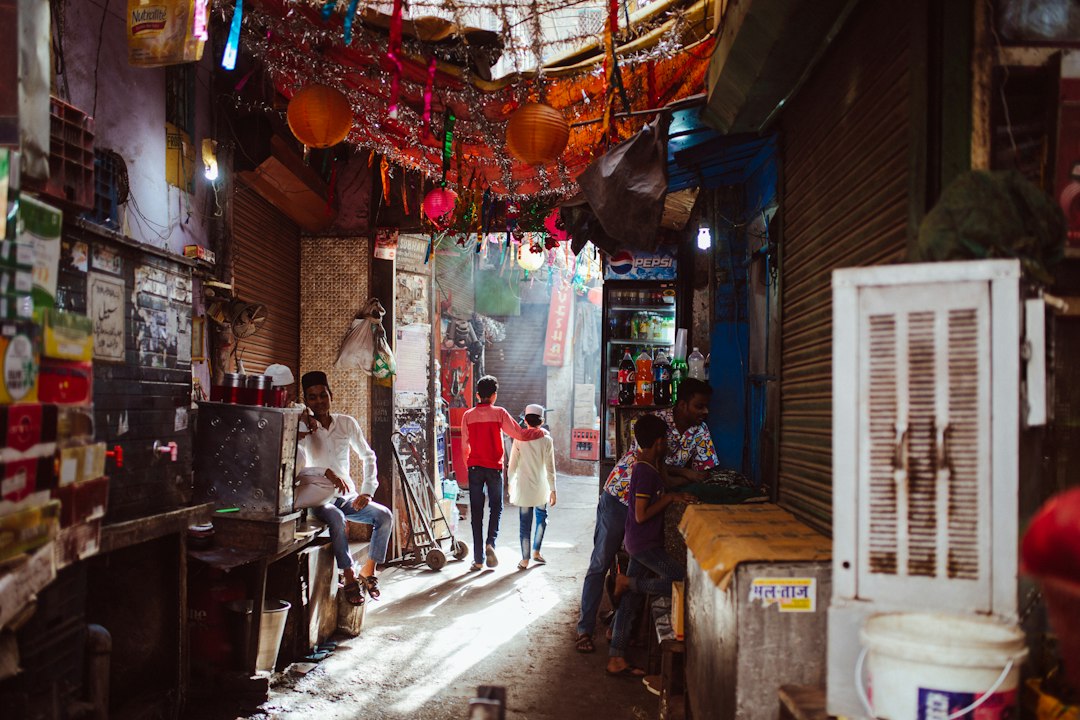
This is not a food market in the modern sense of the term. There are no laminated menus or standardized prices. The older cooks begin preparing the nihari — the slowly cooked beef shank stew that simmers overnight — in the darkest hours, often before three in the morning, because the dish requires at least six to eight hours of cooking over the lowest heat. When the sun rises over the white dome of the Jama Masjid, the nihari is already ready, thick, aromatic, served with fresh bread and a drizzle of grated ginger.
The nihari and the tradition of nighttime food
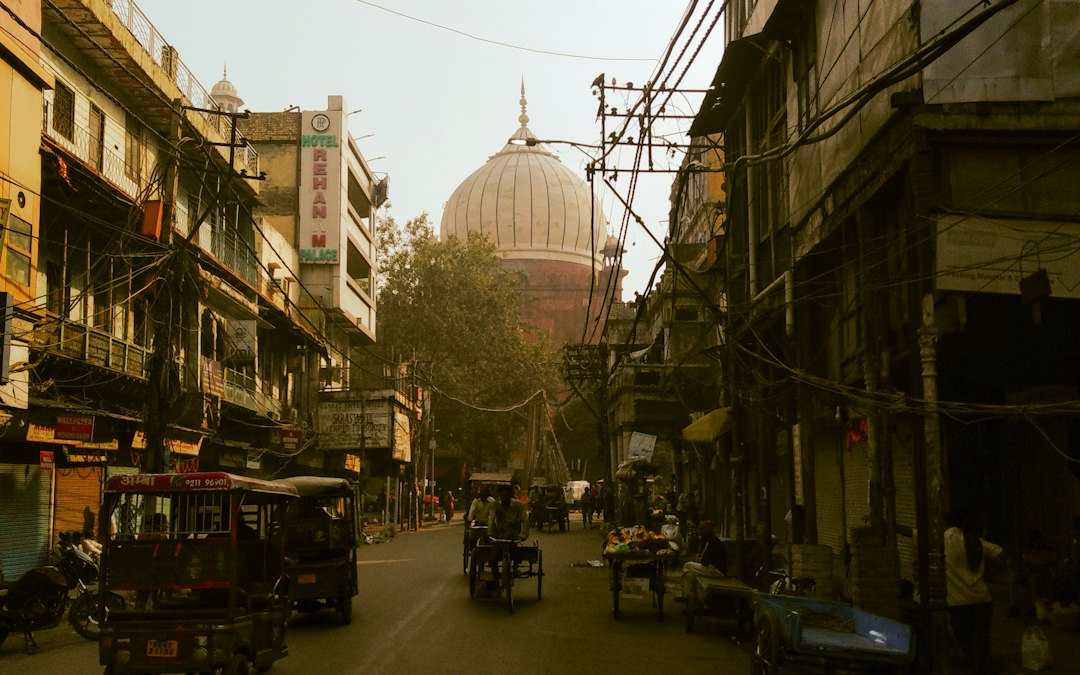
The nihari is historically associated with the cuisine of laborers and manual workers of the Mughal era, who needed a substantial meal before dawn. The word derives from the Arabic nahar, meaning day, indicating the time it was consumed: at dawn, after the morning prayer. Some historic shops in this neighborhood, such as Haji Shabrati Nihari in Matia Mahal, have been active for decades and maintain a loyal clientele that comes specifically for this dish in the early hours of the day.
The broth is almost black due to the spices — black pepper, cloves, star anise, nutmeg — and is thickened with wheat flour. A thin layer of flavored oil floats on top. It is eaten by dipping pieces of sheermal, the sweet saffron milk bread baked in the tandoor, which in this neighborhood is produced in wood-fired ovens visible directly from the street. Watching the bakers at work, one notices how each sheermal is brushed multiple times with a mixture of milk and saffron before and during baking, giving it that characteristic golden-orange color.
Kebab and biryani: the other pillars of Mughal cuisine
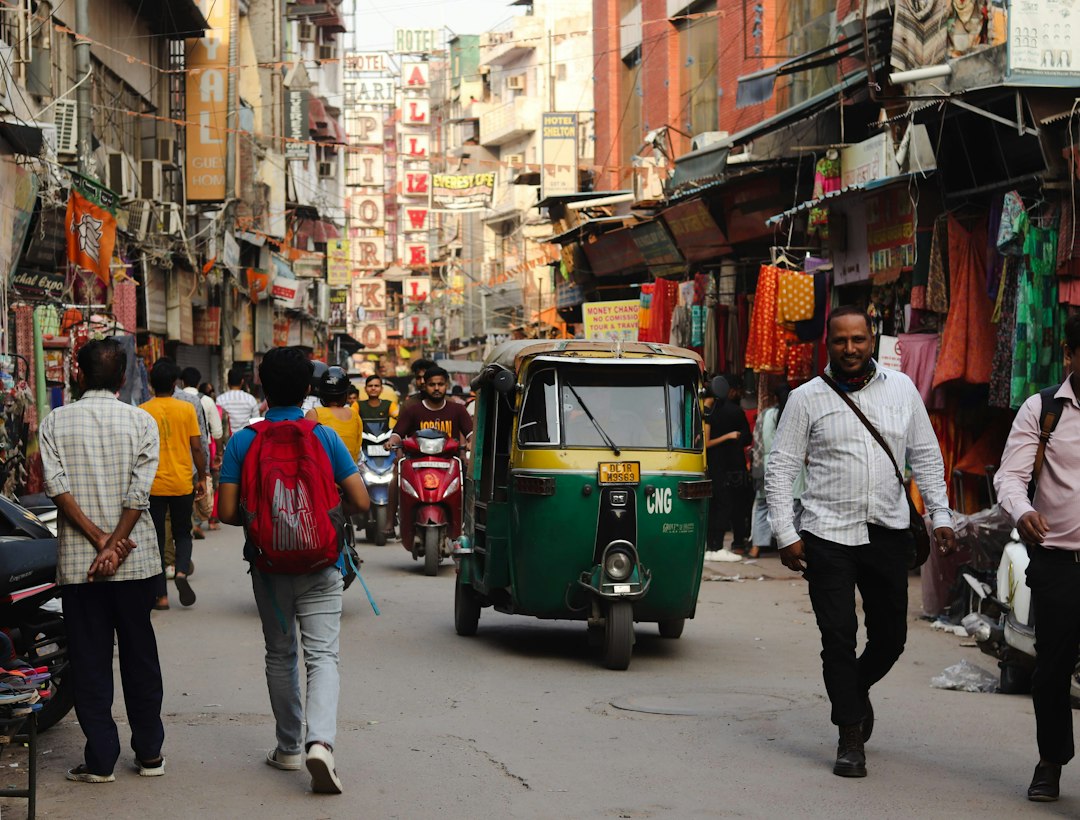
Next to nihari, the streets of Matia Mahal offer an impressive variety of kebabs. The seekh kebab — spiced minced meat pressed around a metal skewer — is cooked over charcoal embers on open grills placed directly on the sidewalk. The smoke mixes with the already dense air of spices and creates an olfactory layering that is difficult to describe but impossible to ignore. The kakori kebab, softer and finer, is a specialty that requires meat minced multiple times and mixed with raw green papaya as a natural tenderizing agent.
The biryani of this neighborhood follows the Mughal tradition of the dum method: partially cooked basmati rice is layered with marinated meat in a clay pot sealed with dough, then cooked over a very low flame. Some shops prepare versions with goat meat, others with chicken. The result is rice in which each grain remains separate, fragrant with rose water and saffron, with pieces of meat that fall apart at the slightest touch.
How to visit: hours and practical tips
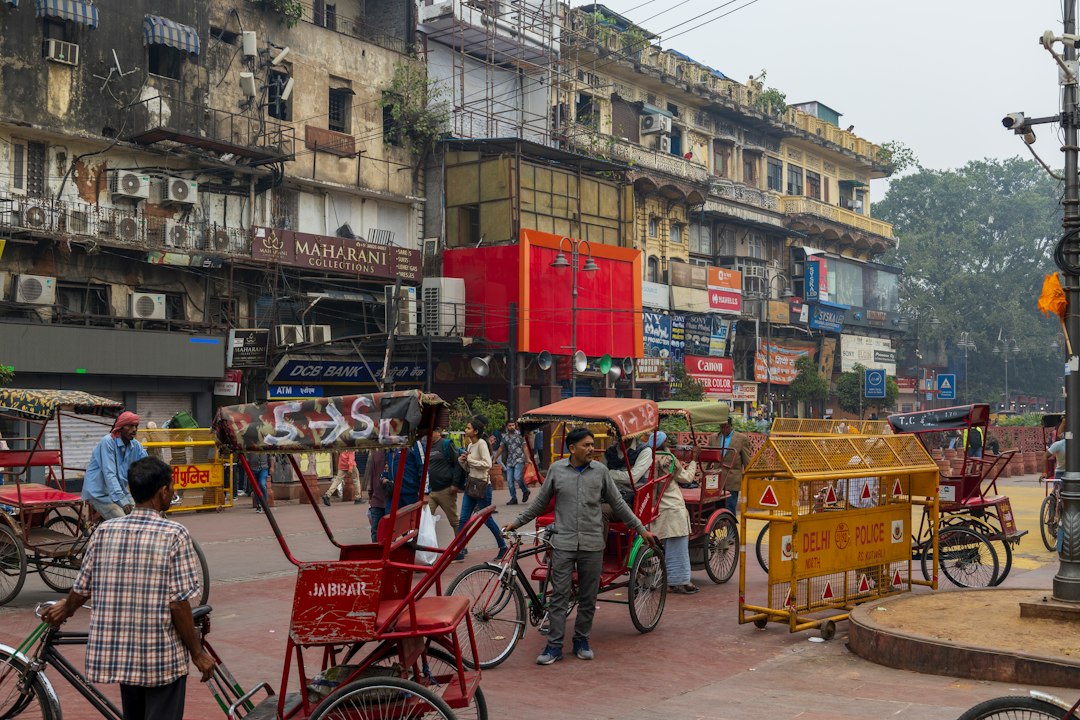
The best time to visit this area is in the early morning, between 7:00 and 9:00, when the nihari is just ready and the lines are not yet long. Many vendors run out of their preparations by noon, so those who arrive in the afternoon find a reduced offering. On Fridays, the neighborhood is particularly lively due to the Friday prayer at Jama Masjid, but also more crowded and chaotic.
To reach the area, the nearest metro station is Chawri Bazar on the Yellow Line, from which it is about a ten-minute walk to the mosque. It is advisable to bring cash in small denominations, as most vendors do not accept digital payments. A complete meal — nihari, bread, and a drink — generally costs between 100 and 200 Indian rupees per person, equivalent to less than three euros. It is advisable to avoid visiting during Ramadan during the day, as many Muslim vendors fast and open only after sunset, but this transforms the evening experience into something completely different and equally interesting.
A detail that is worth the trip
There is a particular detail that strikes those who visit these streets with attention: the large copper or aluminum pots used for nihari are rarely completely washed between one cooking and another. A thin layer of previous preparations remains at the bottom, adding depth to the subsequent flavor. The older cooks call this residue taar, and they consider it an integral part of the authentic taste. It is an invisible detail but tells better than any description how the culinary tradition of this neighborhood has accumulated, layer by layer, for centuries.


