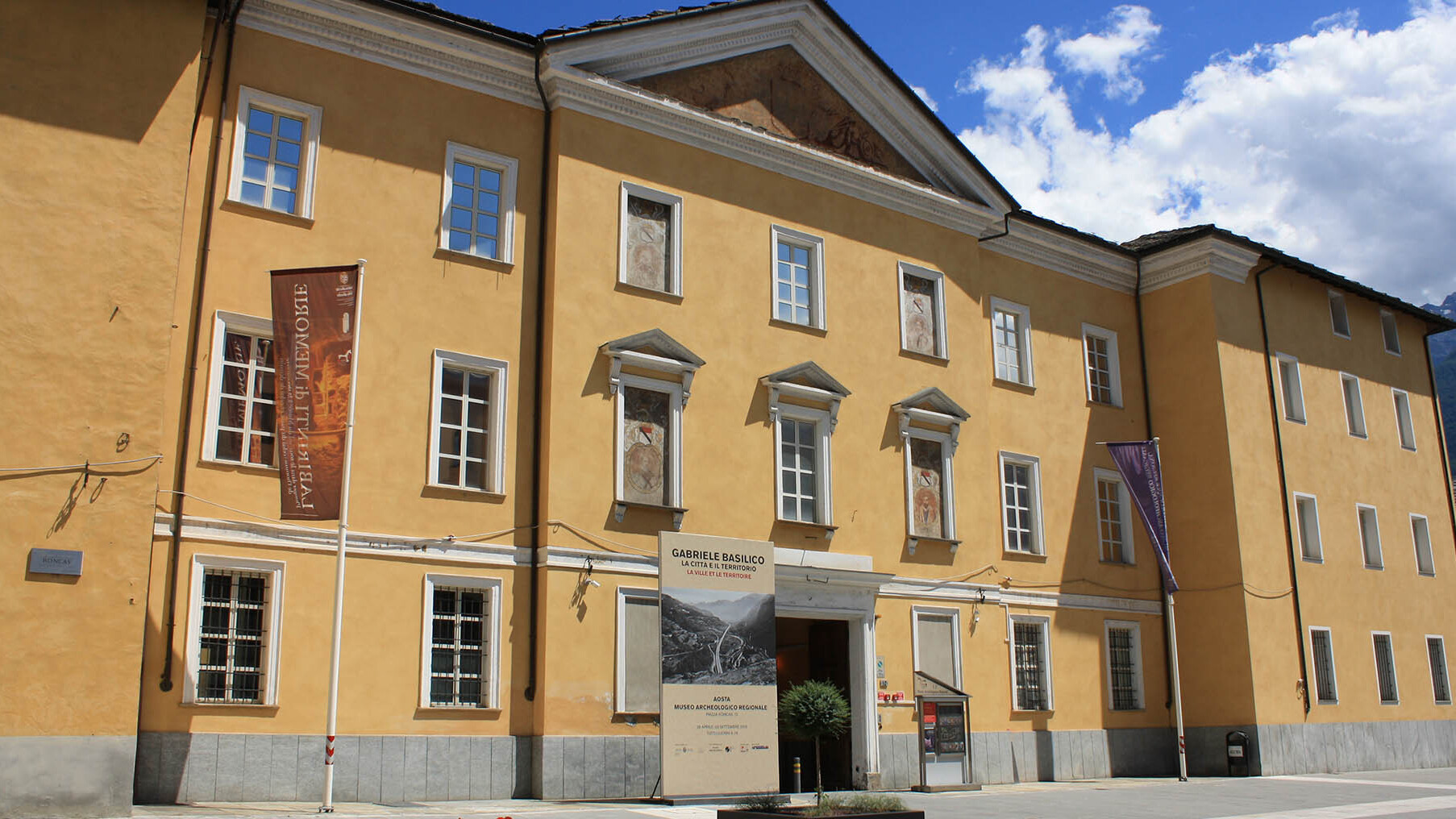

Nestled in the stunning backdrop of the Aosta Valley, the Regional Archaeological Museum of Aosta serves as a treasure trove of the region's rich historical tapestry. This museum is not only a repository of artifacts but also a narrative of the valley's journey through time, from the prehistoric era to the Roman conquest and beyond.
### History and Origins
The museum's roots trace back to the 19th century when it was established to collect and preserve archaeological finds from the Aosta Valley. Aosta itself, founded as Augusta Praetoria in 25 BC by the Romans, has always been a crossroads of cultures and civilizations. The valley's strategic location made it a significant passageway through the Alps, leading to the flourishing of trade and cultural exchange.
During the Middle Ages, Aosta transformed under various rulers, including the Savoy dynasty, which played a vital role in shaping the region's identity. The museum showcases this historical continuum, with an array of artifacts that speak to the valley's ancient cultural practices, burial rites, and everyday life.
### Art and Architecture
The architectural style of the Regional Archaeological Museum is a harmonious blend of modern design and respect for the historical context. The museum itself is housed in a building that complements the ancient remnants it displays. Inside, visitors will find meticulously arranged collections that move from the prehistoric era through the Roman period, offering a chronological exploration of the valley's history.
Among the notable artworks are the sculpted anthropomorphic stelae, which provide insight into the funerary customs of the region's early inhabitants. The museum's centerpiece, the model of Augusta Praetoria, brings to life the Roman city, reconstructed from existing ruins and archaeological findings. This model not only illustrates the layout of the ancient city but also highlights the significance of its public spaces, including temples, theaters, and residential areas.
### Local Culture and Traditions
The Aosta Valley is rich in traditions, many of which are reflected in the artifacts housed within the museum. The region celebrates its heritage through various festivals that emphasize local customs, such as the Fête de la Saint-Ours in late January, a vibrant celebration of local saints, crafts, and culinary delights.
Visitors will encounter numerous references to ancient rites and festivals through the artifacts, particularly in the funerary items that reveal much about the social structure and spiritual beliefs of the valley's early inhabitants. This cultural depth adds a layer of richness to the museum experience, connecting the past with present-day practices.
### Gastronomy
No visit to the Aosta Valley would be complete without indulging in its culinary specialties. The region is renowned for its hearty cuisine, which reflects both its agricultural roots and its historical ties with neighboring regions. Local dishes such as polenta, often served with fontina cheese, and carbonade, a slow-cooked beef stew, capture the essence of Alpine comfort food.
Additionally, the valley is famous for its wines, particularly Domaine des Merveilles, which pairs beautifully with local fare. Traditional Valdostana bread, a dense and flavorful loaf, is a staple at every meal, often enjoyed alongside cured meats like Lardo di Arnad. These gastronomic traditions resonate deeply with the valley's historical narrative and showcase its agricultural bounty.
### Lesser-Known Curiosities
While the prominent exhibits at the museum are undoubtedly captivating, there are hidden gems that often escape the notice of casual visitors. For instance, the numismatic collection "Pautasso" features coins ranging from ancient Greek to the age of the Savoy, offering insight into the economic exchanges that shaped the valley.
Moreover, the remains of the Porta Principalis Sinistra, one of the original gates of Augusta Praetoria, located in the museum's basement, transport visitors back to the heart of Roman life. This less-visited section of the museum provides a unique opportunity to walk alongside the remnants of history, connecting visitors to the very walls that once defended the city.
### Practical Visitor Information
The best time to visit the Regional Archaeological Museum of Aosta is during the spring and fall months, when the weather is mild, and the valley is less crowded. Visitors should allocate ample time to explore the collections and consider joining guided tours that provide deeper insights into the artifacts and their historical context.
When planning your visit, don’t miss the opportunity to engage with the museum staff, who are often eager to share stories that bring the exhibits to life. Additionally, be sure to look for temporary exhibitions that may showcase specific themes or artifacts not permanently on display.
For those looking to maximize their exploration of Aosta, the museum is conveniently located near other historical sites, allowing for a rich day of cultural immersion in this enchanting valley.
To truly appreciate the depth of history in Aosta, consider using the Secret World app to craft a personalized itinerary that encompasses all the region has to offer.
