
← Back

City garden grenoble

Jardin de Ville, 38000 Grenoble, Francia ★★★★☆ 572 views
Lorena Keane
Grenoble
🏆 AI Trip Planner 2026

Get the free app

Discover the best of Grenoble with Secret World — the AI trip planner with 1M+ destinations. Get personalized itineraries, hidden gems and local tips. Free on iOS & Android.

🧠 AI Itineraries 🎒 Trip Toolkit 🎮 KnowWhere Game 🎧 Audio Guides 📹 Videos
Download on the App Store Get it on Google Play
Scan to download Scan to download

Gardens and Parks · Grenoble

City garden grenoble - Grenoble | Secret World Trip Planner

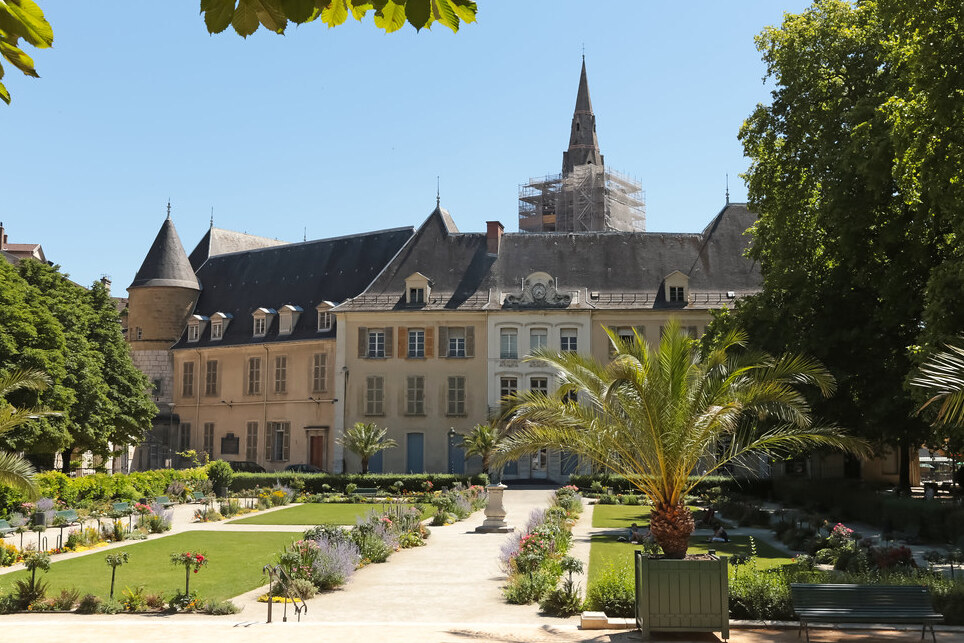
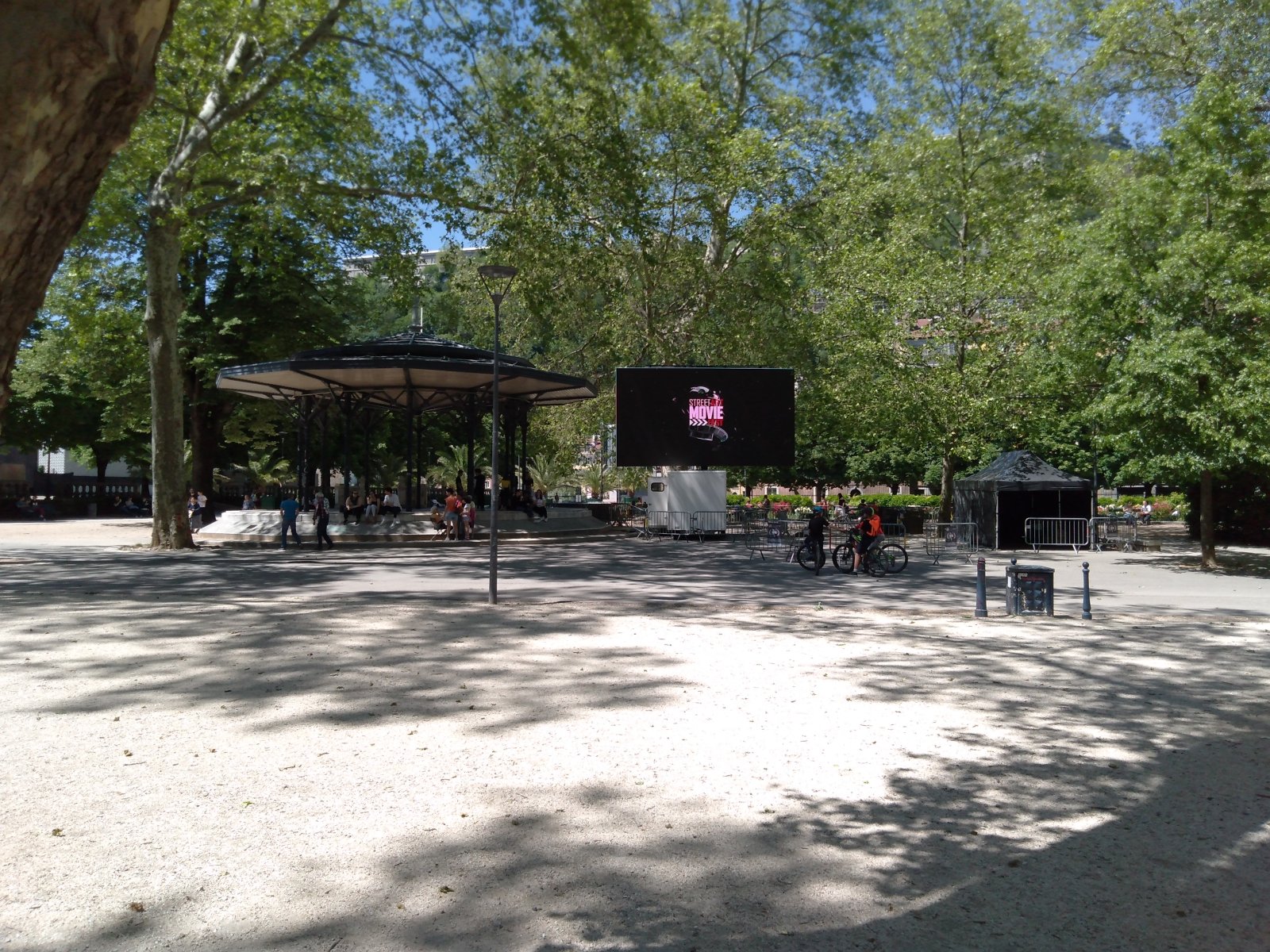
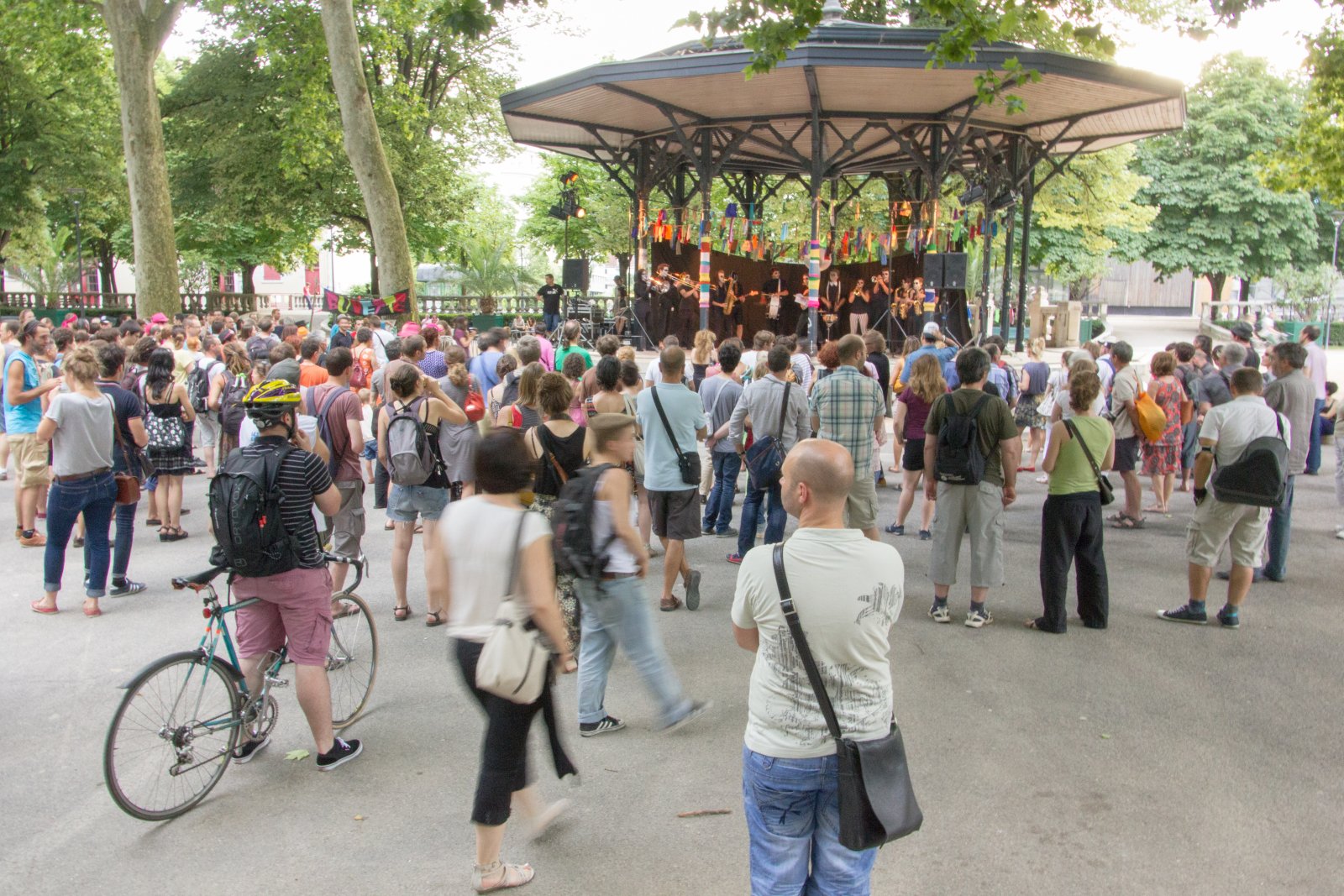
Jardin de Ville is a very famous garden and was formerly the private property of the Dukes of Lesdiguières. It became a public park only in 1710. It is ideal for those who love nature, take a walk in total tranquility, have a picnic or simply relax on the lawn in the company of friends and family. The site it occupies has been known since the Middle Ages as "Prés de la Trésorerie". It was used for fairs and was transformed into a garden when important guests passed through. It was developed at the beginning of the 18th century by the governor of the Dauphiné, François de Bonne, Duke of Lesdiguières, who chose to build his residence in the immediate vicinity (Hôtel de Lesdiguières, currently occupied by the Maison de l'International and the Jardin de Ville library). Through a subtle interplay of terraces, the garden is isolated from the Isère to the north and the Draquet (a branch of the Drac with sudden floods) to the west. It is composed of flowerbeds, orange trees, lemon trees, myrtles, Spanish jasmines and laurels in basins, a wood (southern part), walks, corridors, espaliers of fruit trees and fountains. In 1719, the city of Grenoble acquired the gardens, the palace and its outbuildings. The palace then housed the town hall and the gardens, which had been private until then, were open to people of "distinction" and forbidden to ordinary people. Major redevelopment work was undertaken. The old trees were felled and replaced by 900 trees, including 200 broadleaf lime trees. The woodland (southern part) was entirely renewed in 1736 and the paths were restored. As the garden was rearranged, it evolved from the classical to the romantic style. The sunken garden beds, which had been closed to the public until then, were opened to the public in 1867. The forest was redesigned for a horticultural exhibition as an English garden with a fountain (the Torrent - a fountain originally located in Place de la Constitution), a stream, rock gardens, and beds of trees, shrubs, and flowers. World War I and the depression of the 1930s left the park in a state of neglect. The landscaped garden, its rockeries, and fountain were removed prior to World War II. In the 1980s, the City launched a project to restore the Jardin de Ville: diseased trees were felled and replaced; the paths and the area at the foot of the two-hundred-year-old plane trees were restored; a large playground was created. This very popular garden is bordered by important Grenoble heritage buildings, in particular the Gagnon apartment - Stendhal Museum, the Roman wall, the Hôtel de Lesdiguières and the cable car.
City garden grenoble - Grenoble | Secret World Trip Planner
🗺 AI Trip Planner

Plan your visit to Grenoble

Suggested itinerary near City garden grenoble

MAJ+
500.000+ travelers worldwide
  1. 🌅
    Morning
    City garden grenoble
    📍 Grenoble
  2. ☀️
    Afternoon
    Stendhal Museum
    📍 0.1 km · Grenoble
  3. 🌆
    Evening
    Piazza Notre-Dame de Grenoble
    📍 0.4 km · Grenoble

Buy Unique Travel Experiences

Powered by Viator

See more on Viator.com

Explore nearby · Grenoble

Frequently Asked Questions

Jardin de Ville became a public park in 1710, though it was originally the private property of the Dukes of Lesdiguières. When the city of Grenoble acquired the gardens in 1719, they were initially only open to people of "distinction," but the sunken garden beds were finally opened to all the public in 1867.
Jardin de Ville is perfect for nature lovers who want to take peaceful walks, have a picnic, or relax on the lawn with friends and family. The garden features flowerbeds, orange trees, lemon trees, myrtles, Spanish jasmines, laurels in basins, woodlands, and scenic fountains, making it an ideal spot for outdoor relaxation.
The garden was developed in the early 18th century by François de Bonne, Duke of Lesdiguières, on a site known since the Middle Ages as "Prés de la Trésorerie." Over time, it evolved from a classical style garden to a romantic style, with major redevelopment in 1719 and again in 1736, and was eventually redesigned as an English garden in the 19th century with fountains and rock gardens.
The garden showcases citrus and ornamental plants including orange trees, lemon trees, myrtles, Spanish jasmines, and laurels in basins, along with 900 trees including 200 broadleaf lime trees that were planted during major renovations. You'll also find flowerbeds, wooded areas, espaliers of fruit trees, and scenic fountains including the Torrent fountain and a peaceful stream.
The garden was strategically designed with a subtle interplay of terraces that isolate it from the Isère River to the north and the Draquet (a branch of the Drac known for sudden floods) to the west. This clever engineering has protected the gardens and allowed visitors to safely enjoy the space throughout the centuries.
