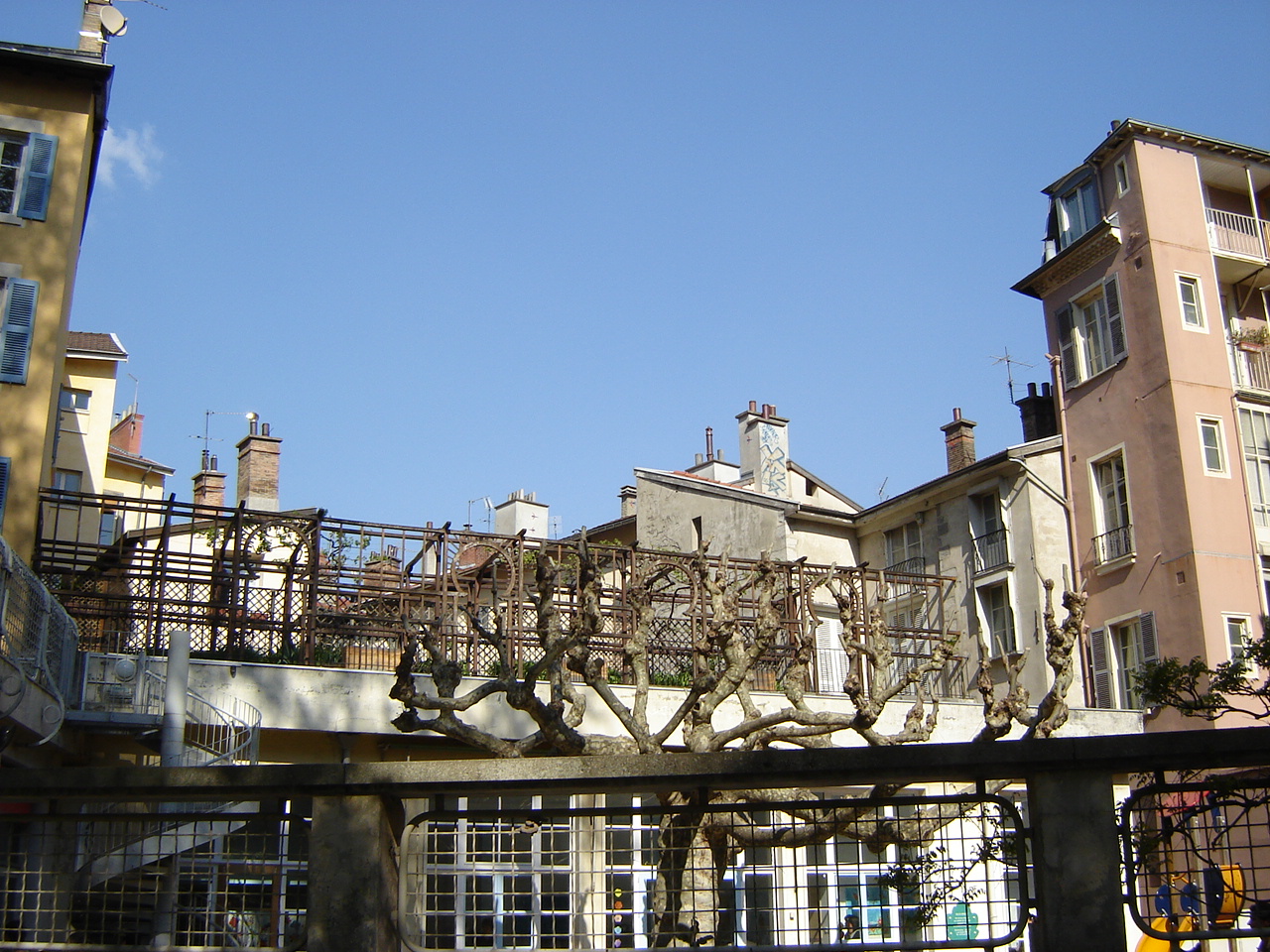

Nestled in the picturesque city of Grenoble, the Musée Stendhal serves as a poignant tribute to one of France's literary giants, Henri Beyle, affectionately known by his pen name, Stendhal. This charming museum, located in the former home of Stendhal's grandfather, offers visitors an intimate glimpse into the writer's formative years and the myriad influences that would later shape his literary genius.
### History and Origins
Musée Stendhal is more than a mere collection of artifacts; it is a journey back in time, steeped in the rich history of Grenoble. The building itself hails from the late 18th century and was once the residence of Dr. Gagnon, Stendhal's maternal grandfather. Born in 1783, Henri Beyle spent significant portions of his childhood in this very house, where he absorbed the cultural and intellectual currents of the time.
The museum was officially inaugurated in 1986, in celebration of the bicentennial of Stendhal's birth. The establishment of this museum marked a significant cultural milestone for the city, honoring its most illustrious literary figure. Stendhal’s works, such as "The Red and the Black" and "The Charterhouse of Parma," reflect the profound influences of his upbringing in Grenoble, where he was exposed to the revolutionary fervor and the vibrant arts scene of late 18th-century France.
### Art and Architecture
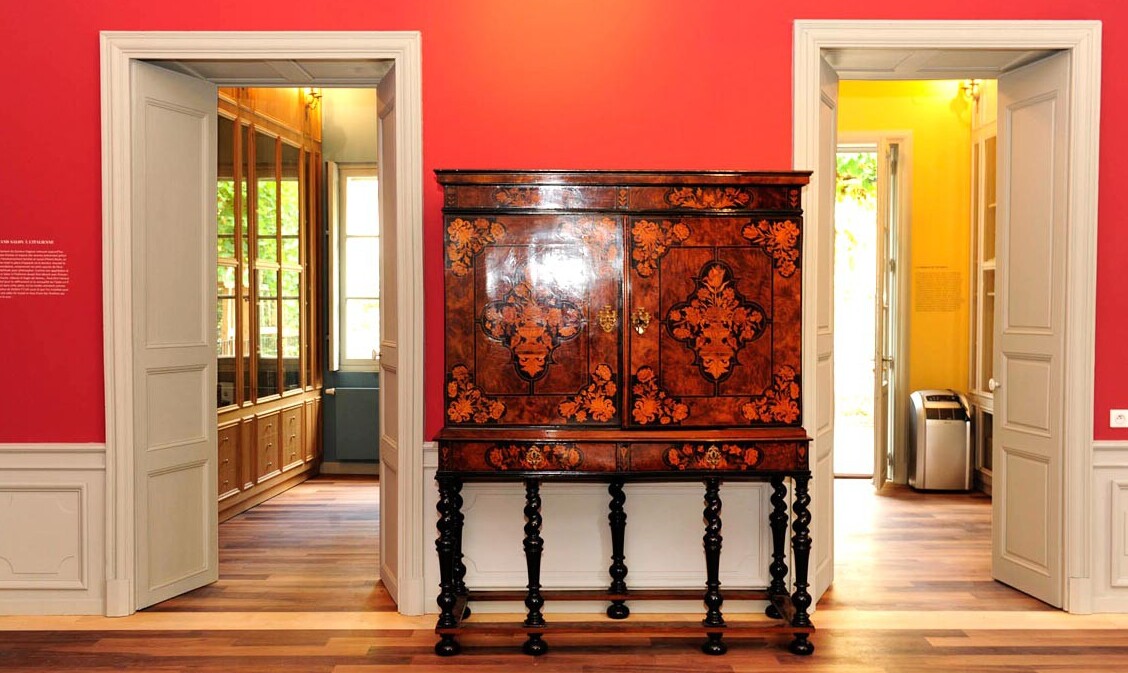
The architectural style of the Musée Stendhal is a blend of Neo-Classical and Rococo influences, with elegant facades and well-preserved interiors that evoke the charm of the era. As you step inside, you are greeted by an array of artifacts, including letters, manuscripts, and personal belongings that belonged to Stendhal. Notable artworks, such as portraits of the author and his contemporaries, line the walls, offering insights into the literary and artistic circles of his time.
The museum's collection also features an impressive array of 19th-century artifacts, showcasing not just Stendhal’s life but also the broader cultural landscape of France during that period. Each exhibit is meticulously curated, inviting visitors to delve deeper into the motivations behind Stendhal’s exploration of love, passion, and the human condition.
### Local Culture and Traditions
Grenoble is steeped in a vibrant tapestry of local customs and traditions. The city is known for its annual Festival of the Alps, which celebrates the region's rich relationship with the surrounding mountains. This festival features outdoor activities, local crafts, and cultural performances, reflecting the spirit of the people who draw inspiration from their stunning natural environment.
Additionally, the tradition of café culture thrives here, with locals often gathering in the quaint squares to enjoy coffee and pastries while discussing literature and philosophy—echoes of Stendhal’s own intellectual pursuits. The city's arts scene is bolstered by numerous theaters and galleries, showcasing everything from classical performances to contemporary art, perpetuating the legacy of creativity that Stendhal himself championed.
### Gastronomy
No visit to Grenoble would be complete without indulging in the local gastronomy. The region is renowned for its walnuts, which play a pivotal role in many traditional dishes. One must try the local specialty, “Gratin Dauphinois,” a creamy potato dish that embodies the flavors of the Dauphiné region. Pair it with a glass of Vin de Savoie, a crisp white wine that complements the rich flavors of the local cuisine.
For a sweet treat, don’t miss the chance to sample “Diots,” a type of sausage that pairs beautifully with the region's famous cheeses. The culinary tradition here not only nourishes but also tells the story of the land and its people, reminiscent of the way Stendhal's writings capture the essence of human experience.
### Lesser-known Curiosities
While most visitors flock to the more mainstream attractions, there are hidden gems within the Musée Stendhal that deserve attention. For instance, the museum houses a collection of Stendhal’s personal letters, offering a rare insight into his thoughts and relationships. Many might be surprised to learn that Stendhal was an avid traveler, and his journeys through Italy profoundly influenced his writing style and philosophical outlook.
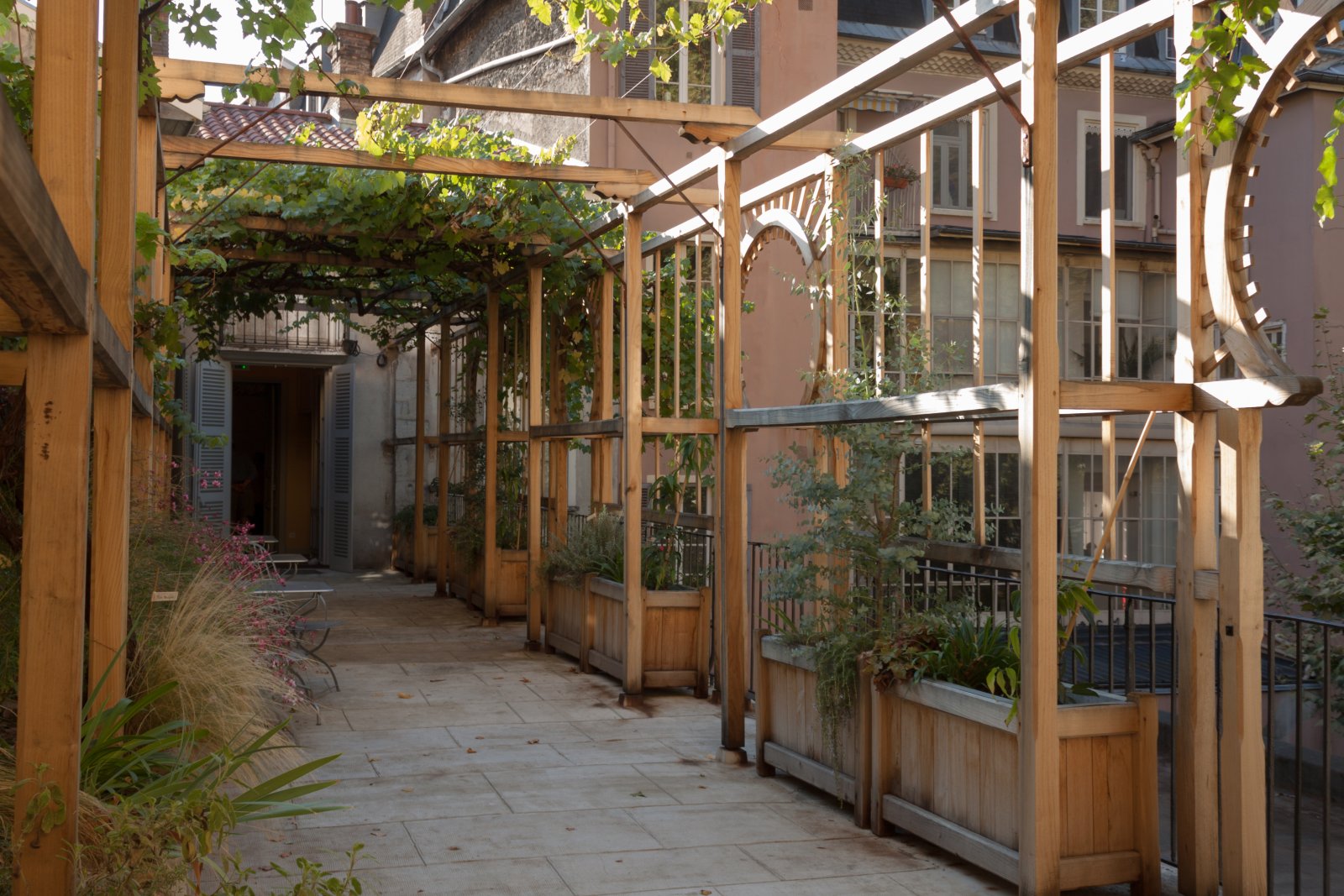
Another intriguing detail is the museum's garden, a quiet oasis that mirrors the tranquil settings often depicted in Stendhal’s novels. It’s a perfect spot for reflection and to absorb the atmosphere that inspired one of the greatest literary figures in history.
### Practical Visitor Information
The best time to visit the Musée Stendhal is during the spring and early autumn months, when the weather is mild and conducive to exploring Grenoble. The museum is easily accessible by public transport, and audio guides are available to enhance your visit with in-depth narratives about the exhibits.
When you visit, make sure to allocate time to explore the surrounding areas of Grenoble, including the breathtaking Chartreuse Mountains and the historic Bastille, which offers stunning views of the city. Don’t forget to stop by the local markets to sample the region's artisanal products.
The Musée Stendhal is not just a museum; it is a celebration of literature, culture, and the profound impact that a single writer can have on a city and its people. To enrich your experience in Grenoble, consider using the Secret World app to plan a personalized AI itinerary tailored to your interests.