
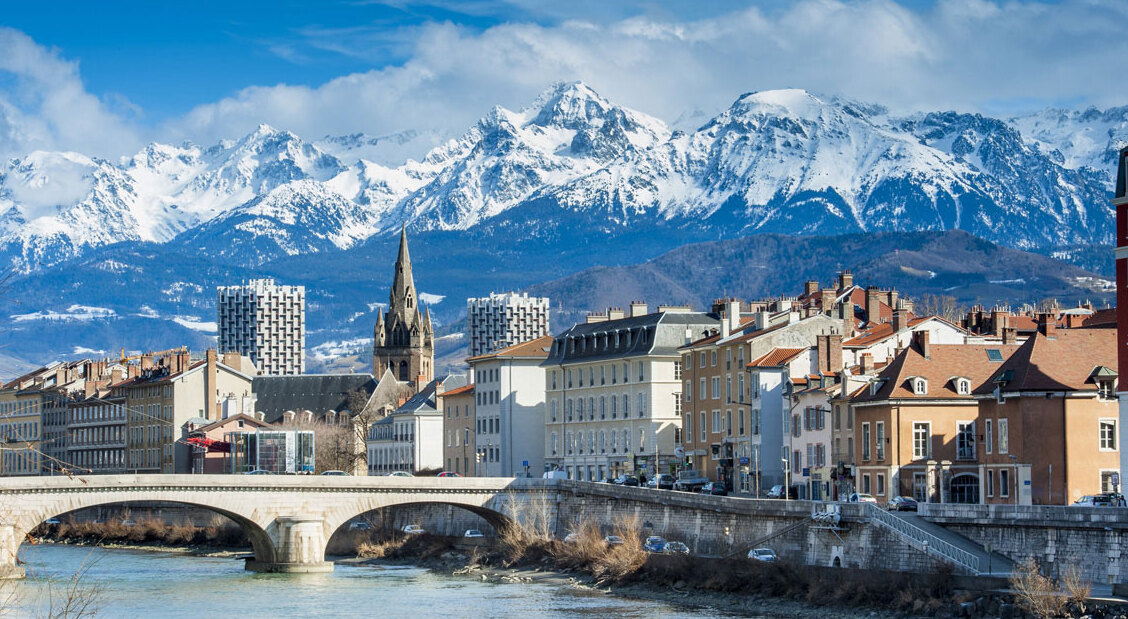

Nestled majestically at the foot of the French Alps, Grenoble emerges not just as a gateway to alpine adventures but as a profound tapestry of history, art, and innovation. This city, where the Drac and Isère rivers converge, has long been a cradle of scientific thought and cultural richness, earning its reputation as the "Capital of the Alps."
History and Origins
Grenoble's roots run deep into antiquity. Originally known as Cularo, the settlement was established by the Allobroges, a Gallic tribe, in the 3rd century BC. Its transformation began under the Romans, who fortified the town and renamed it Gratianopolis in honor of Emperor Gratian in 381 AD. This era laid the groundwork for Grenoble's prominence as a strategic and cultural hub. Fast forward to the 14th century, the city flourished under the rule of the powerful Dauphiné region. The 1788 Day of the Tiles here marked a prelude to the French Revolution, symbolizing Grenoble's indomitable spirit.
Art and Architecture
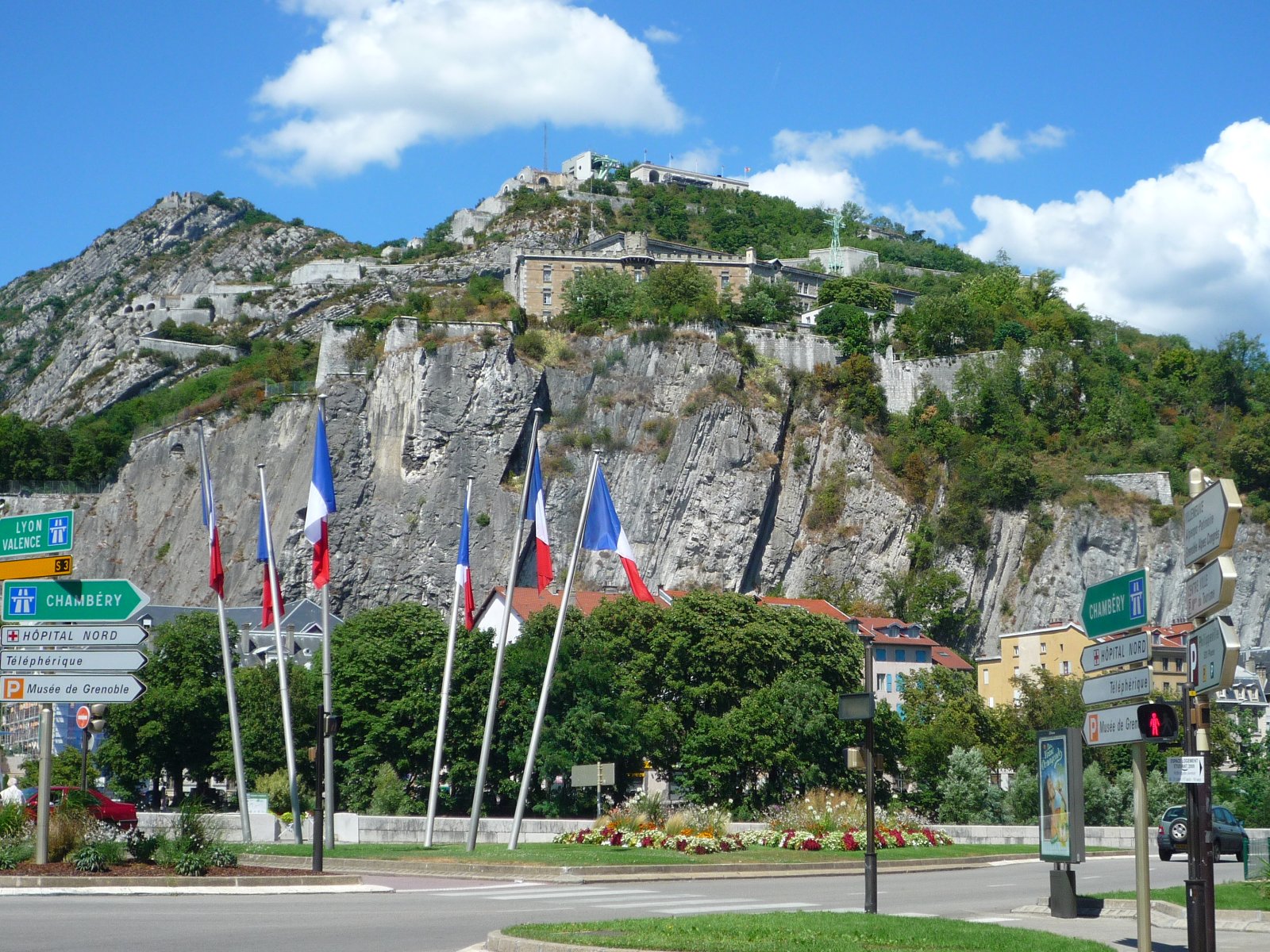
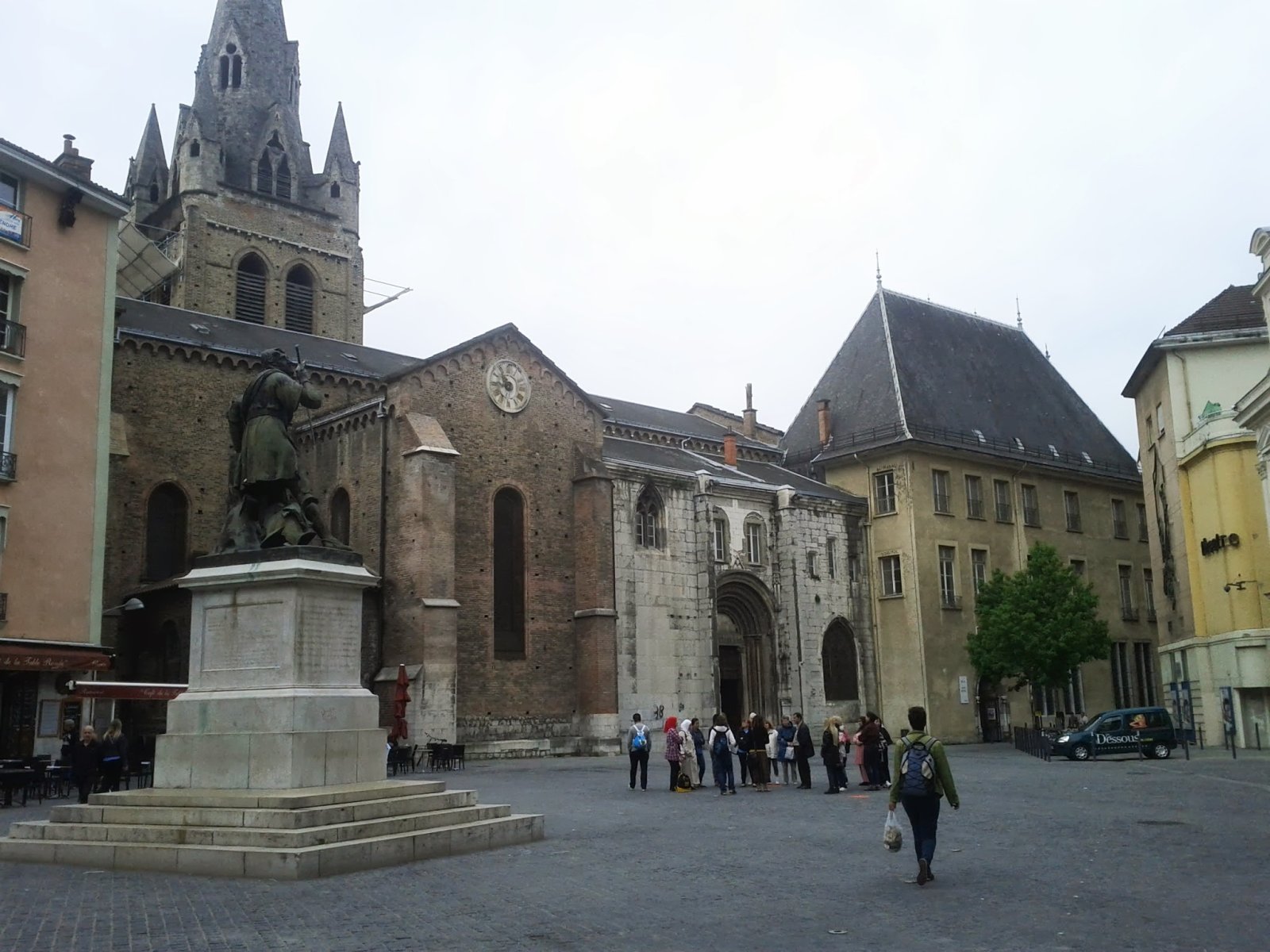
The architectural landscape of Grenoble is a harmonious blend of the old and the new. The medieval Bastille fortress, perched on a hill overlooking the city, offers panoramic views and a glimpse into the city's past defenses. In contrast, the modernist MC2: Maison de la Culture stands as a beacon of contemporary culture. Art enthusiasts will find solace in the Musée de Grenoble, home to a remarkable collection of works from the likes of Henri Matisse and Pablo Picasso. The museum’s innovative design, integrating natural light, highlights Grenoble's commitment to merging art with its breathtaking surroundings.
Local Culture and Traditions
The vibrant culture of Grenoble is best experienced through its bustling festivals and traditions. The Cabaret Frappé, a summer music festival, fills the streets with eclectic sounds from local and international artists. Winter transforms the city into a festive wonderland with the Marché de Noël, where traditional crafts and seasonal treats delight visitors. Grenoble's cultural calendar is a testament to its dynamic and inclusive spirit, celebrating everything from jazz to street art.
Gastronomy
Grenoble's culinary offerings are as rich and diverse as its history. The city is renowned for its walnuts, the first fruit to receive an AOC designation in France, often featured in local dishes and desserts. One must try tarte aux noix, a sweet walnut tart that encapsulates the region's flavors. Another local staple is the Gratin Dauphinois, a creamy potato dish that reflects the hearty alpine cuisine. Pair these delights with a glass of Chartreuse, a herbal liqueur produced by Carthusian monks in the nearby mountains, for a true taste of Grenoble.
Lesser-known Curiosities
Beyond its more celebrated attractions, Grenoble holds a trove of hidden gems. The Téléphérique de Grenoble Bastille, one of the first urban cable cars in the world, offers a unique vantage point of the cityscape. For a touch of intrigue, visit the Musée de la Résistance et de la Déportation, which chronicles the region's pivotal role during World War II. Additionally, Grenoble is home to a thriving scientific community, hosting the European Synchrotron Radiation Facility, a beacon of international research and innovation.
Practical Visitor Information
For those planning a visit, the best time to experience Grenoble is between May and October, when the weather is mild and the city's outdoor attractions are in full bloom. However, winter also offers a captivating charm, especially for those eager to explore nearby ski resorts. Navigating the city is a breeze with its efficient tram system, but consider renting a bicycle to truly immerse yourself in Grenoble's eco-friendly ethos. Keep an eye out for the fresques urbaines, stunning street art murals that add a splash of color to the urban landscape.
In Grenoble, every corner tells a story. Whether you're delving into its storied past, savoring its culinary delights, or marveling at its artistic offerings, this city promises a journey of discovery and inspiration.


