
← Back

Grenoble and La Bastille

Quai Stéphane Jay, 38000 Grenoble, Francia ★★★★☆ 498 views
Lorena Keane
Grenoble
🏆 AI Trip Planner 2026

Get the free app

Discover the best of Grenoble with Secret World — the AI trip planner with 1M+ destinations. Get personalized itineraries, hidden gems and local tips. Free on iOS & Android.

🧠 AI Itineraries 🎒 Trip Toolkit 🎮 KnowWhere Game 🎧 Audio Guides 📹 Videos
Download on the App Store Get it on Google Play
Scan to download Scan to download

Palaces, Villas and Castles · Grenoble

Grenoble and La Bastille - Grenoble | Secret World Trip Planner

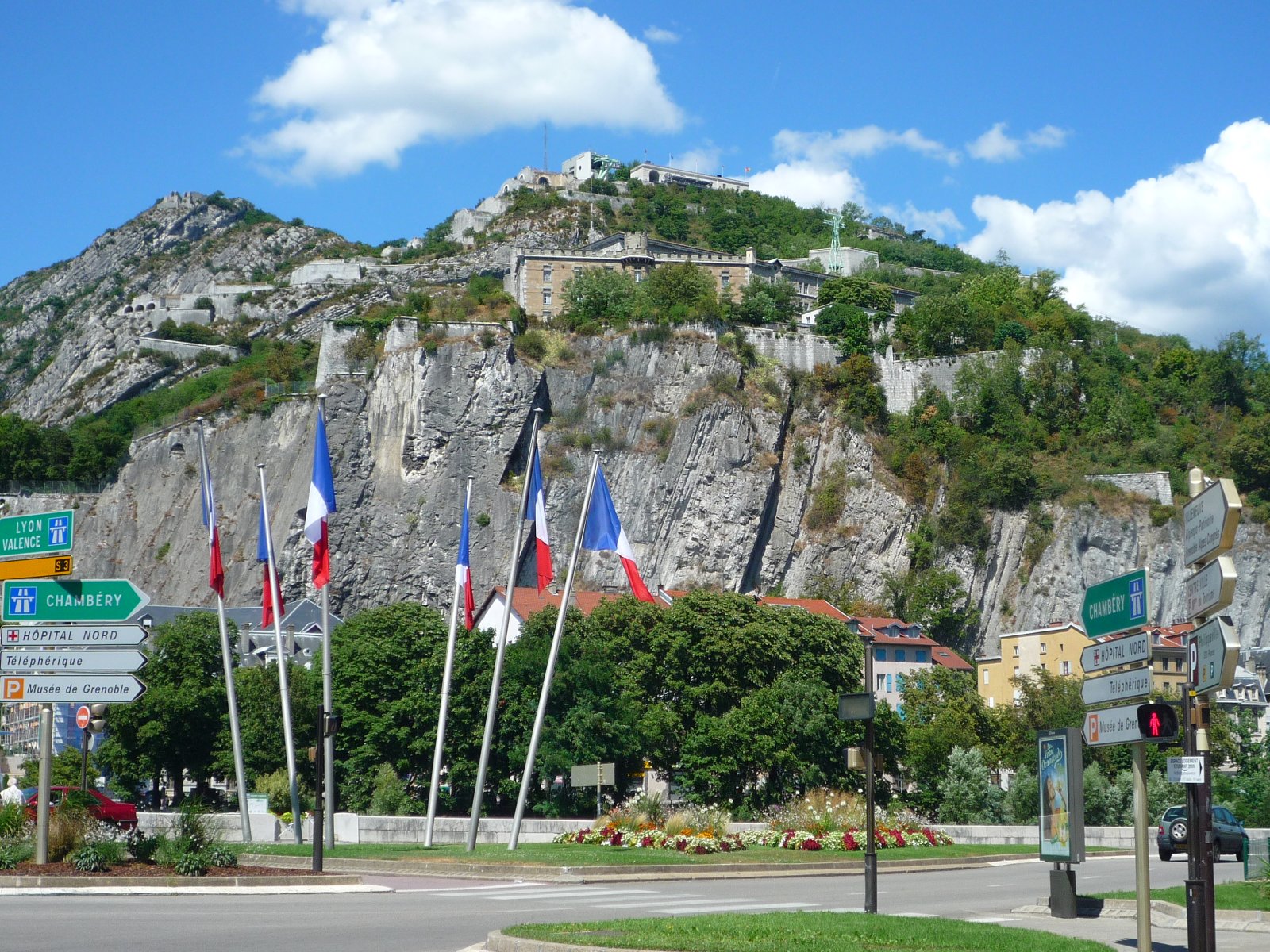
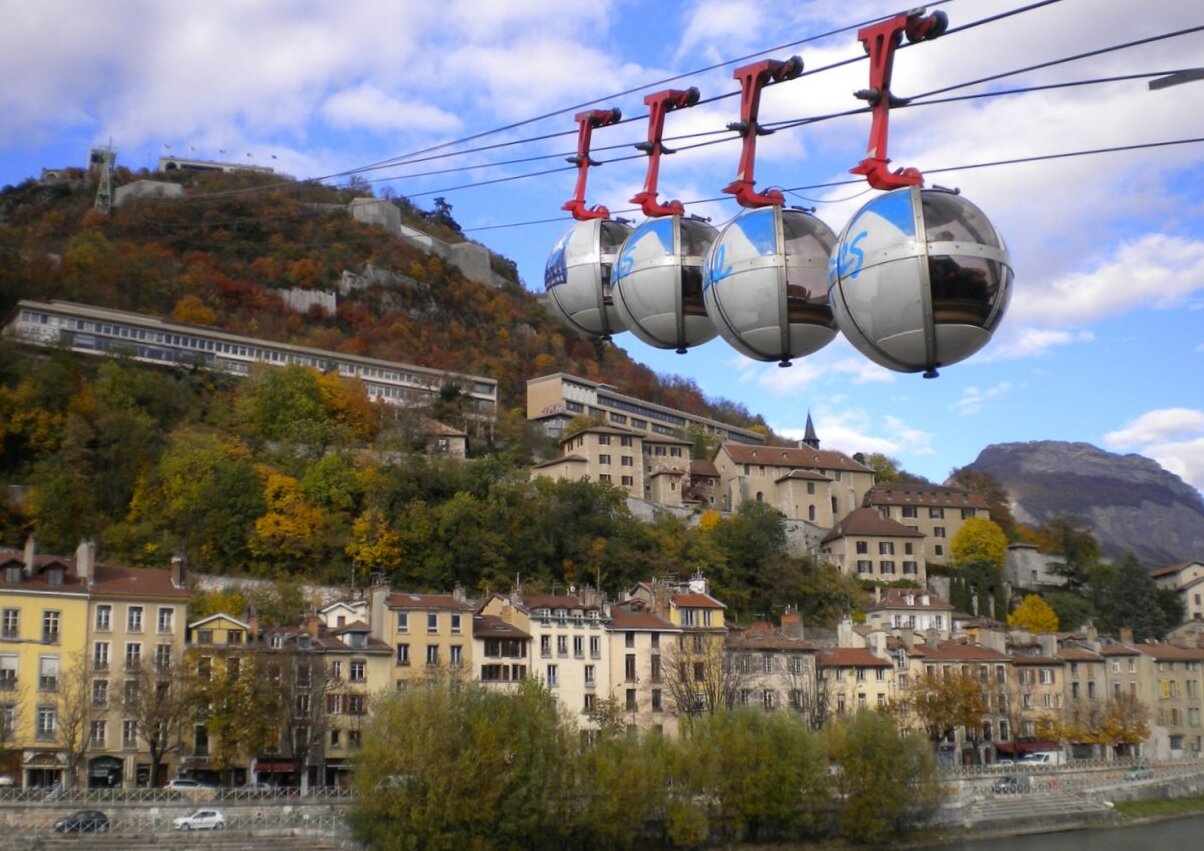
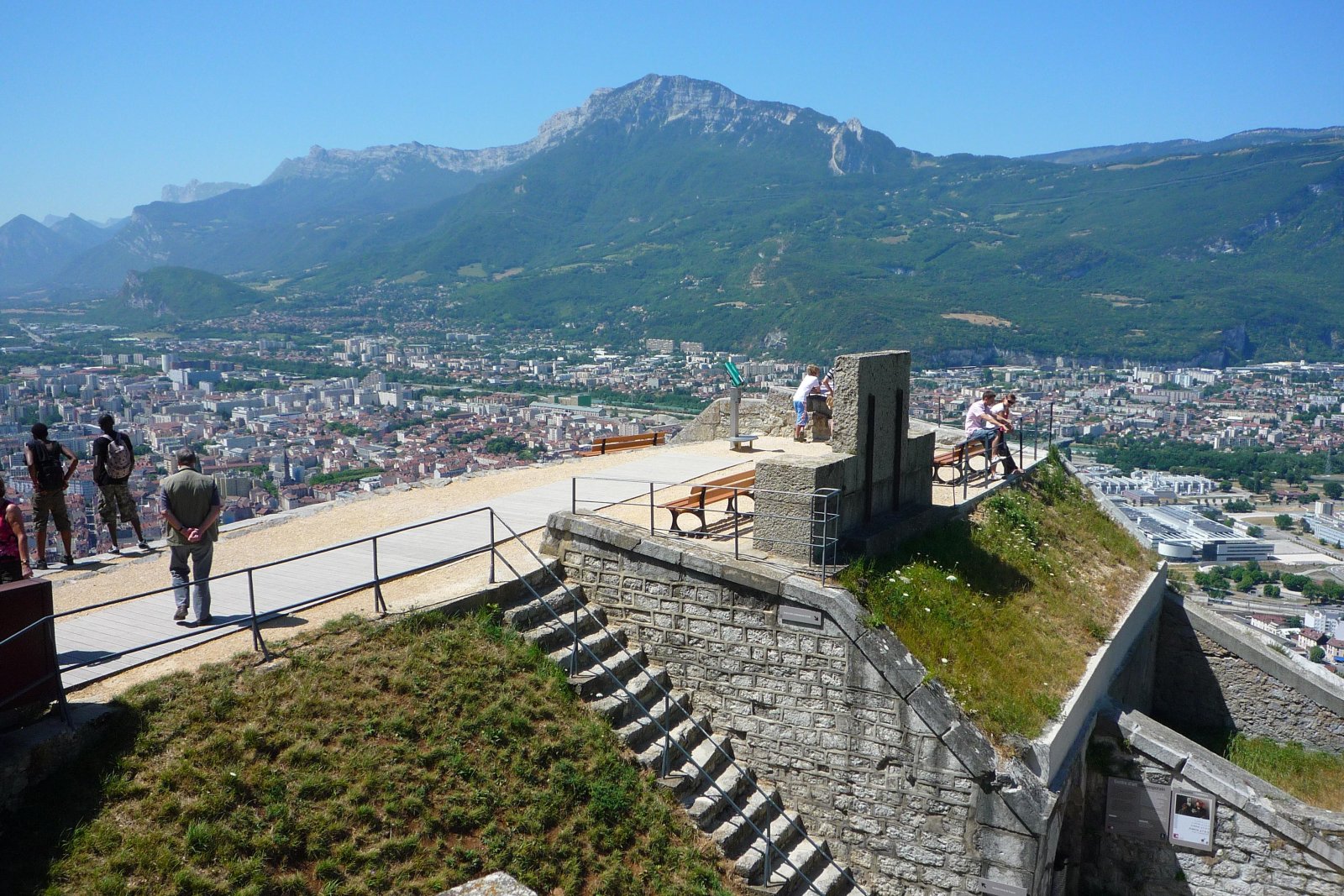
Perched majestically above the city of Grenoble, La Bastille is not just a military fortress; it is a symbol of the region's rich history and breathtaking beauty. This 19th-century stronghold, situated at an altitude of 476 meters, commands a panoramic view of the city below and the stunning Chartreuse Pre-Alps that cradle it. As you ascend via the iconic cable car, a ride marked by sweeping vistas, you embark on a journey that intertwines history, culture, and gastronomy.

Grenoble and La Bastille - Grenoble | Secret World Trip Planner

### History and Origins The history of La Bastille is as formidable as the fortress itself. Originally constructed in the 19th century, it was designed to protect Grenoble from foreign invasions, particularly during the tumultuous times of the French Revolutionary Wars. Its strategic location allowed for surveillance over the surrounding valleys and routes. The site has its roots in ancient fortifications, with evidence suggesting its use dating back to Roman times. General Bertrand Clausel, a prominent military figure of the era, oversaw its development, ensuring that it would stand as a bastion of defense. Over the years, La Bastille has witnessed pivotal moments in French history, serving various roles from military outpost to tourist attraction.

### Art and Architecture Architecturally, La Bastille showcases the military design typical of the 19th century, characterized by robust stonework and strategic layouts intended for defense. The fortress is replete with cannons, barracks, and even a watchtower, all of which echo its storied past. Notably, the site is also home to modern artistic installations. Local artists have contributed to the cultural fabric of La Bastille, with exhibitions that highlight contemporary interpretations of the historical narrative. This fusion of old and new creates a vibrant atmosphere, inviting visitors to reflect on the passage of time.

Grenoble and La Bastille - Grenoble | Secret World Trip Planner

### Local Culture and Traditions In Grenoble, the spirit of the Alps is palpable, with locals celebrating their heritage through various festivals and traditions. One of the most beloved events is the Fête de la Musique, held annually on June 21st, where musicians from all genres take to the streets. Additionally, La Bastille plays host to summer events and open-air concerts, drawing both locals and tourists alike. The annual Festival of History in late September further enriches the cultural landscape, offering workshops and reenactments that transport participants back to pivotal moments in time.

### Gastronomy No visit to Grenoble would be complete without indulging in its unique gastronomy. The region is known for its walnuts, which are often incorporated into local dishes and desserts. Try the walnut cake, a delicacy that perfectly captures the essence of the area. Additionally, Grenoble is famous for its gratin dauphinois, a creamy potato dish that is a staple in local cuisine. Pair these culinary delights with a glass of Chartreuse, a herbal liqueur produced by Carthusian monks in the nearby mountains, and you’ll experience a true taste of the region.

### Lesser-Known Curiosities While La Bastille is well-known, some visitors may miss the hidden gems that lie within its walls. For instance, the Fort de la Bastille features a series of caves and tunnels, originally used for storage and defense. These labyrinthine passages tell stories of soldiers and strategists who once walked them. Additionally, the Bastille's cable car, affectionately known as the “bubble,” offers not just a means of transport but a thrilling experience with views that rival any scenic overlook in France.

### Practical Visitor Information The best time to visit Grenoble and La Bastille is during the spring and early autumn when the weather is mild, and the surrounding landscapes burst with color. The cable car operates year-round, but visiting during weekdays may provide a less crowded experience. Be sure to wear comfortable shoes, as exploring the fortress and its surroundings can involve some walking. Look for the breathtaking viewpoints that offer the best photo opportunities, especially at sunset when the city lights begin to twinkle below.

In summary, Grenoble and La Bastille offer a captivating blend of history, culture, and breathtaking scenery. Don’t miss the chance to explore this remarkable region and all it has to offer. For a tailored experience, consider using the Secret World app to craft your personalized itinerary in Grenoble.

🗺 AI Trip Planner

Plan your visit to Grenoble

Suggested itinerary near Grenoble and La Bastille

MAJ+
500.000+ travelers worldwide
  1. 🌅
    Morning
    Grenoble and La Bastille
    📍 Grenoble
  2. ☀️
    Afternoon
    City garden grenoble
    📍 0.8 km · Grenoble
  3. 🌆
    Evening
    Stendhal Museum
    📍 0.9 km · Grenoble

Buy Unique Travel Experiences

Powered by Viator

See more on Viator.com

Explore nearby · Grenoble

Frequently Asked Questions

The most iconic and popular way to reach La Bastille is via the famous cable car, which offers sweeping vistas during your ascent to the fortress. This scenic ride is an integral part of the experience, providing panoramic views as you travel up to the 476-meter altitude where the fortress is situated.
La Bastille was originally constructed in the 19th century under General Bertrand Clausel to protect Grenoble from foreign invasions during the French Revolutionary Wars, though its roots trace back to ancient Roman fortifications. The strategic location allowed for surveillance over surrounding valleys and routes, and it has since evolved from a military outpost to a significant historical and cultural landmark.
La Bastille features well-preserved military architecture including cannons, barracks, and a watchtower that reflect its 19th-century defensive design, alongside modern artistic installations by local artists. Visitors can explore the fortress, enjoy contemporary art exhibitions, and take in the breathtaking panoramic views of Grenoble and the Chartreuse Pre-Alps.
La Bastille exemplifies 19th-century military design with robust stonework and strategic layouts specifically engineered for defense, complete with cannons and watchtowers. What makes it particularly special is the fusion of these historical military elements with modern artistic installations, creating a vibrant atmosphere where visitors can experience both heritage and contemporary culture.
Perched at 476 meters above Grenoble, La Bastille's elevated position was strategically chosen to allow surveillance over surrounding valleys and routes during the French Revolutionary Wars. This commanding location also provides visitors with stunning panoramic views of the city below and the magnificent Chartreuse Pre-Alps that surround the region.