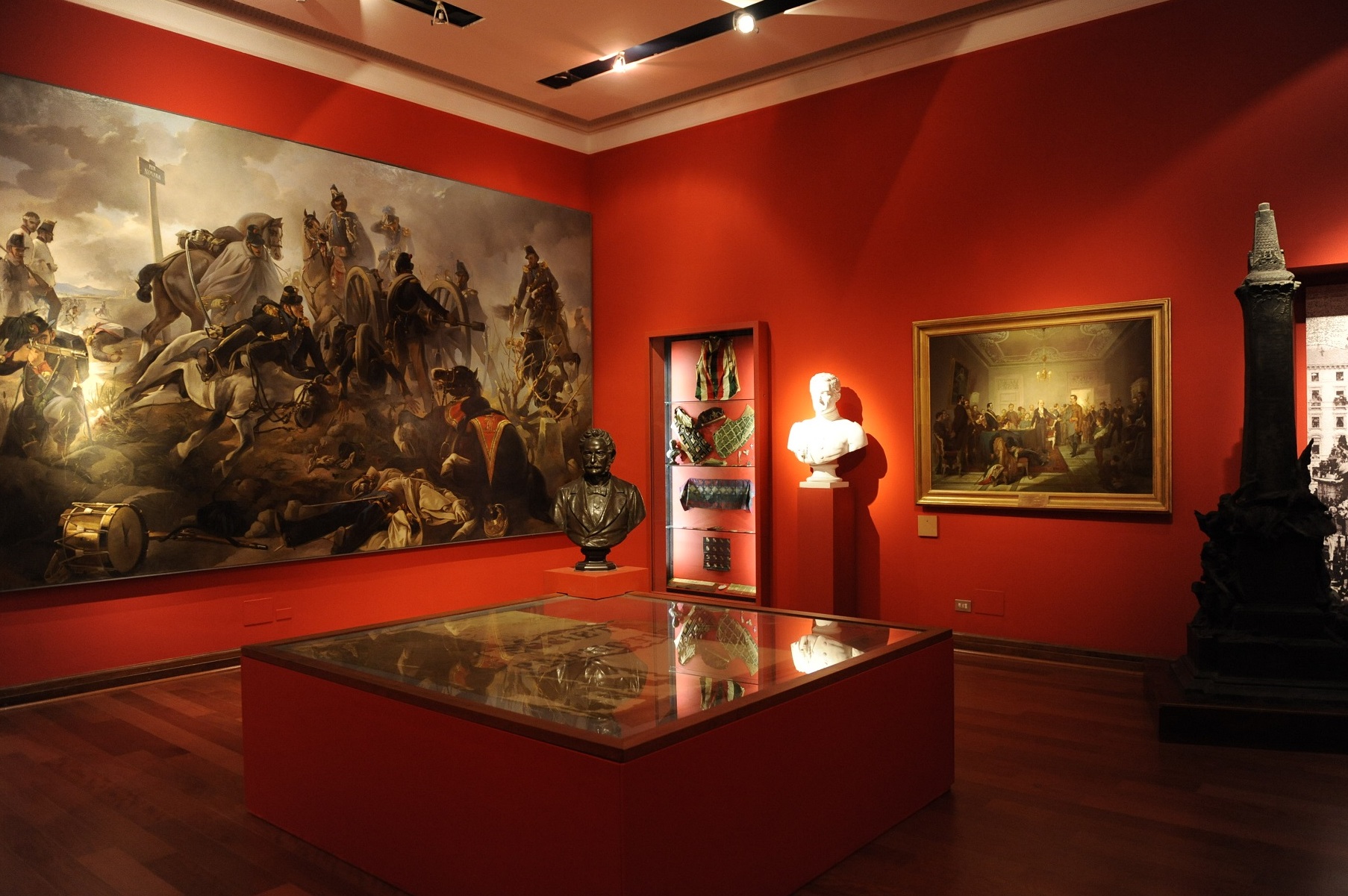
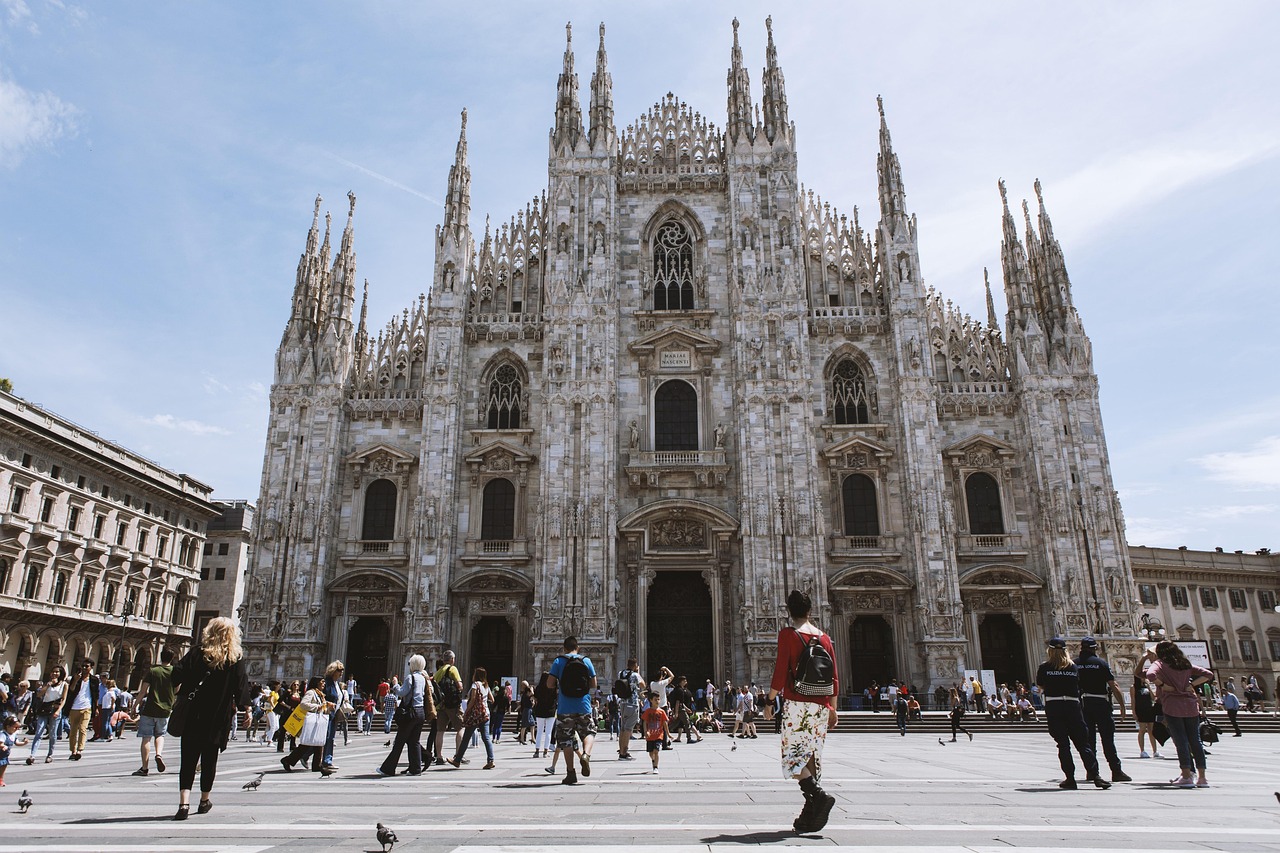

Nestled in the heart of Milan, the Civic Historical Collections offer an immersive journey into Italy's turbulent past, particularly the Risorgimento—the movement that led to the unification of Italy. This rich tapestry of history is encapsulated within the walls of the Museo del Risorgimento, a treasure trove of paintings, relics, and prints that breathe life into a period marked by the fervor of revolution and national pride.
### History and Origins
The origins of the Civic Historical Collections can be traced back to the Italian General Exhibition of 1884, where the first significant assembly of artifacts pertaining to the Risorgimento was showcased. This exhibition served as a catalyst for the establishment of a dedicated museum. Following the exhibition, numerous relics and documents were amassed and transferred to the Salone dei Giardini Pubblici at Porta Venezia. On June 24, 1886, the National Risorgimento Museum was officially inaugurated, marking the beginning of a new era in preserving Italy's historical narrative.
Over the years, the museum underwent several relocations. In 1896, it found a temporary home in the Rocchetta of the Castello Sforzesco, a fortress steeped in its own historical significance, before moving to the Casa Manzoni after the bombings of 1943 during World War II. Finally, in 1950, the museum settled in the elegant Palazzo Moriggia, a neoclassical building that enhances the historical gravitas of the collections housed within.
### Art and Architecture
The architectural style of Palazzo Moriggia reflects the grandeur of the late 18th century, characterized by its harmonious proportions and classic detailing. Visitors to the museum are not only treated to a wealth of historical artifacts but also to the beauty of the building itself, with its frescoed ceilings and intricate moldings.
Among the notable artworks in the museum is "Il Giuramento di Pontida" by Francesco Hayez, depicting the legendary oath taken in 1167 by the Lombard League against the Holy Roman Emperor. This painting is significant not just for its artistic merit but also for its representation of the struggle for autonomy that would resonate through the centuries leading to Italian unification.
### Local Culture and Traditions
The Risorgimento is a cornerstone of Milanese identity, influencing local customs and traditions. Festivals such as Festa della Liberazione on April 25 celebrate the liberation of Italy from Fascism and honor those who fought for freedom. This day is marked by parades and public gatherings, often featuring readings of historical texts and performances that echo the spirit of unity and nationalism fostered during the Risorgimento.
Moreover, Milan maintains a vibrant cultural scene, with events like Milano Music Week and Milano Design Week, which reflect the city’s ongoing commitment to innovation and the arts, drawing inspiration from its historical narratives.
### Gastronomy
No visit to Milan would be complete without indulging in its culinary delights. The city's gastronomy is deeply intertwined with its history, where dishes like Risotto alla Milanese carry the essence of local tradition. This saffron-infused rice dish, which became popular in the 19th century, is often paired with Osso Buco, a hearty veal shank that embodies Milanese comfort food.
While exploring the city, be sure to sample Panettone, a sweet bread loaf originally from Milan, traditionally enjoyed during the festive season. Accompanied by a glass of Franciacorta, a sparkling wine from the nearby Lombardy region, it offers a taste of local elegance that resonates with the city's rich history.
### Lesser-Known Curiosities
Among the intriguing stories hidden within the museum's walls is the tale of Giuseppe Garibaldi, a central figure in the unification of Italy. Known as the "Hero of the Two Worlds," Garibaldi's military exploits and charismatic leadership played a crucial role in the Risorgimento. Interestingly, the museum houses a lock of his hair, a personal artifact that connects visitors to the fervor of the time.
Additionally, many tourists overlook the Sala delle Medaglie, which showcases a remarkable collection of medals and commemorative coins. These artifacts not only celebrate key events but also reflect the artistry and craftsmanship of the era.
### Practical Visitor Information
The best time to visit the Civic Historical Collections is during the spring and fall when the weather is mild, and the city is less crowded. For an enriching experience, consider joining one of the guided tours offered by the museum, which delve deeper into the historical significance of the exhibits.
Be sure to look for the temporary exhibitions that often rotate, providing fresh perspectives on various aspects of Italian history. Additionally, the museum shop offers a range of books and souvenirs that can serve as lasting memories of your visit.
As you plan your exploration of this historical gem, consider using the Secret World app to create a personalized AI itinerary that will help you discover the best of Milan.
