
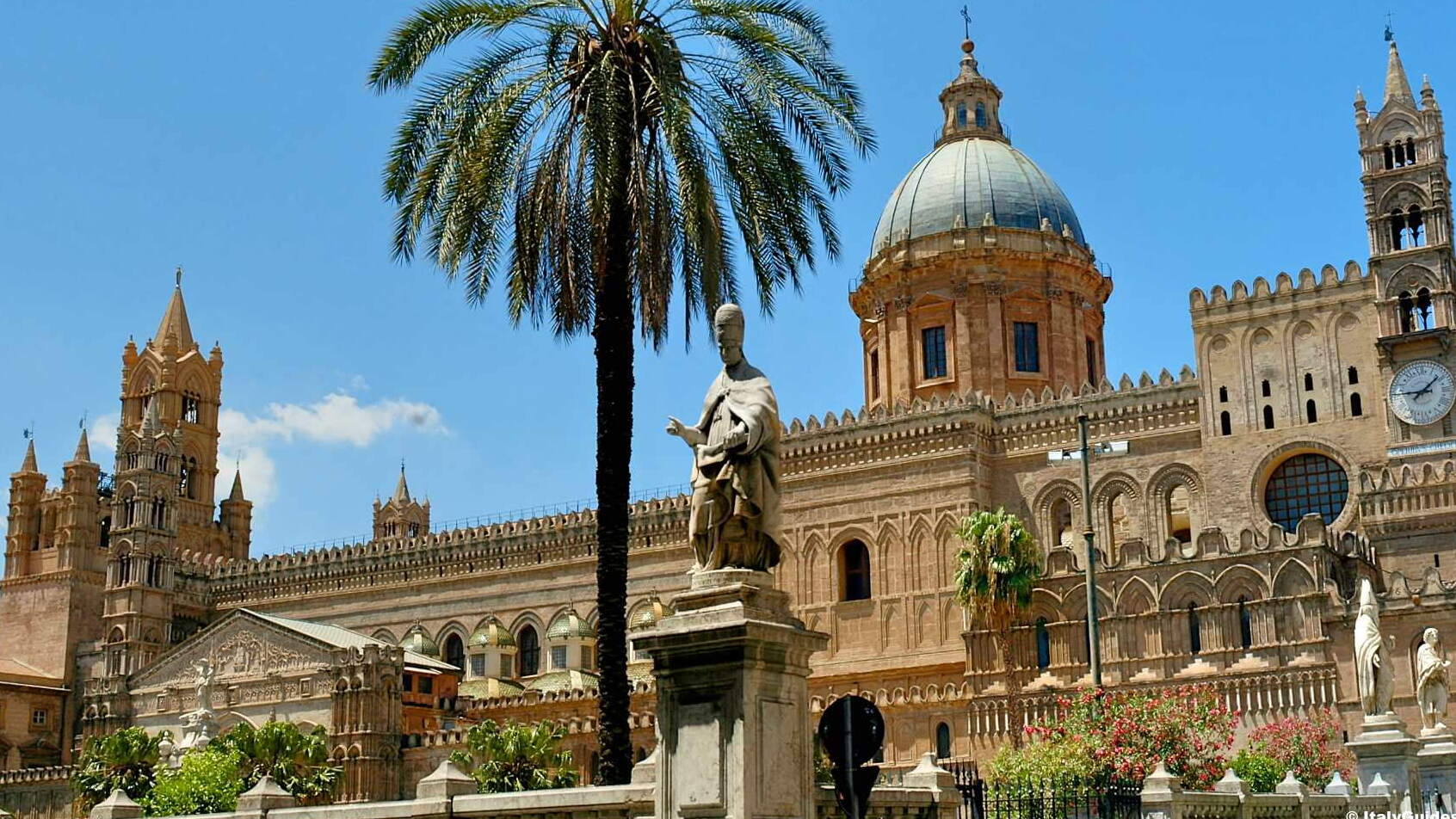

In the heart of Palermo, the Palermo Cathedral stands as a monumental testament to the city's rich tapestry of history and culture. This architectural marvel, with its striking blend of styles, tells a story that spans over a millennium, reflecting the diverse influences that have shaped Sicily.
History and Origins
The origins of the Palermo Cathedral date back to the year 1185 when it was first commissioned by the Norman King William II. Originally built as a church dedicated to the Virgin Mary, the cathedral was constructed on the site of an earlier Byzantine church, symbolizing the transition of power in the region. Over the centuries, the cathedral has undergone numerous renovations and expansions, particularly during the 18th century, when significant Baroque elements were added.
Key historical events have left their mark on this sacred space. In the 17th century, the cathedral became a burial site for the Norman kings, including the aforementioned William II, whose tomb is housed within its walls. The cathedral also played a pivotal role in local lore when, in 1624, it was believed that the intercession of Santa Rosalia – the city's patron saint – saved Palermo from a devastating plague, further embedding the cathedral into the city’s cultural identity.
Art and Architecture
The architectural style of Palermo Cathedral is an intricate mosaic of influences. Visitors can admire the Franco-Norman elements prominently featured in the façade and the stunning Moorish arches that whisper stories of the island's Islamic past. The Byzantine and Gothic styles can be seen in the intricate details of the interior, while Baroque embellishments add a sense of grandeur.
One of the cathedral’s most remarkable features is the silver gilt altar dedicated to Santa Rosalia. Adorned with intricate silver work and opulent decorations, this altar is a focal point of devotion, especially during the feast days of the saint. The cathedral also houses exquisite frescoes and sculptures, each narrating the spiritual journey of its visitors.
Local Culture and Traditions
The cultural significance of the Palermo Cathedral extends beyond its architectural beauty. It is a vital part of the city’s identity, deeply intertwined with local traditions. Every year, Palermo celebrates the feast of Santa Rosalia on July 14 with a grand procession through the streets, culminating in vibrant festivities that attract both locals and tourists. In September, the pilgrimage to Mount Pellegrino, where the saint is believed to have lived, draws countless devotees, reinforcing the spiritual connection the cathedral holds in the community.
Visitors can witness the fusion of faith and tradition by attending services or observing the rituals that take place throughout the year, offering a glimpse into the soul of Palermo.
Gastronomy
No visit to Palermo is complete without indulging in its rich culinary offerings. The vibrant local food scene mirrors the cathedral’s eclectic architecture. Street food is a cultural staple, with arancini (fried rice balls) and panelle (chickpea fritters) being must-tries. Pair your meal with a glass of Marsala wine, a fortified wine originating from the region, or sip on a refreshing granita, a popular Sicilian dessert that offers relief from the summer heat.
The gastronomic experience in Palermo is steeped in tradition, with recipes often passed down through generations, much like the stories held within the cathedral’s walls.
Lesser-Known Curiosities
While the grandeur of the Palermo Cathedral is undeniable, there are hidden details many tourists overlook. For instance, the cathedral’s roof offers a unique vantage point of the city, where visitors can explore the stunning views of Palermo and the surrounding mountains. Additionally, the crypt beneath the cathedral holds a collection of royal tombs, including those of the Norman kings, which are often missed by casual visitors.
A curious fact relates to the cathedral’s bell tower, which originally housed just one bell. Over the years, it has accumulated additional bells, each with its own story, creating a harmonious yet eclectic symphony that resonates through the city.
Practical Visitor Information
The best time to visit the Palermo Cathedral is during the spring (April to June) or fall (September to October) when the weather is mild, and the crowds are thinner. Plan your visit early in the day to fully appreciate the tranquility of the space before the influx of tourists.
When exploring, take the time to look up; the detailed ceilings and stained glass windows are breathtaking. Don’t forget to check the schedule for any special religious ceremonies or events that may enhance your experience.
For a personalized journey through Palermo, consider using the Secret World app to plan your itinerary.


