
← Back

Cyclades Olive Museum in Andros

Ano, Pitrofos 845 00, Grecia ★★★★☆ 130 views
Renee Sutton
Pitrofos
🏆 AI Trip Planner 2026

Get the free app

Discover the best of Pitrofos with Secret World — the AI trip planner with 1M+ destinations. Get personalized itineraries, hidden gems and local tips. Free on iOS & Android.

🧠 AI Itineraries 🎒 Trip Toolkit 🎮 KnowWhere Game 🎧 Audio Guides 📹 Videos
Download on the App Store Get it on Google Play
Scan to download Scan to download
Cyclades Olive Museum in Andros - Pitrofos | Secret World Trip Planner

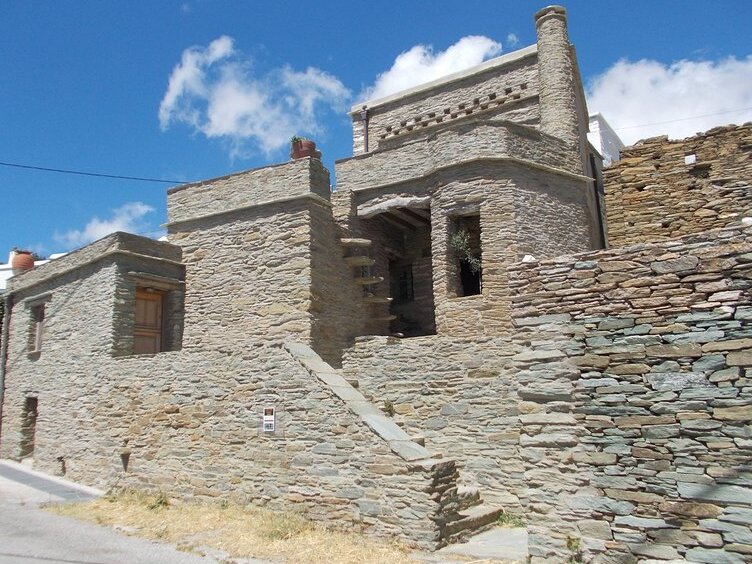
Nestled in the heart of Pitrofos, Andros, the Cyclades Olive Museum stands as a testament to the island's rich agricultural heritage and the pivotal role of olive oil in Greek culture. This museum, housed in a historic olive mill known locally as the “Vida” or screw, invites visitors to journey through the intricate world of olive oil production, revealing the secrets of a craft that has been honed for centuries.

### History and Origins

The origins of olive oil production in Andros can be traced back to ancient times, with evidence suggesting that olive cultivation flourished during the Minoan and Mycenaean eras. The Cyclades Olive Museum itself dates back to 1857, but its roots run deeper. Historical records indicate that the mill was operational as far back as the 18th century, serving as a vital resource for local communities.

D. Helmis, the current custodian, has dedicated his efforts to preserving this piece of history, ensuring that the mill's equipment remains intact. The museum showcases how traditional methods have evolved over the generations, reflecting the island's enduring connection to olive oil. Up until the 1960s, numerous similar installations dotted the landscape of Andros, underscoring the significance of this agricultural practice in sustaining local economies and cultures.

### Art and Architecture

The Cyclades Olive Museum is not only a nod to the island's agricultural past but also an exquisite example of Cycladic architecture. The structure features characteristic elements such as arched doorways, stone staircases, and a stone boiler, all crafted from local materials that harmonize with the natural landscape.

The aesthetic beauty of the building is complemented by its functionality, with each architectural element carefully designed to serve a specific purpose in the olive oil production process. Visitors are often captivated by the rustic charm of the old mill, where the interplay of light and shadow enhances the visual narrative of an era long gone.

### Local Culture and Traditions

Olive oil is deeply woven into the cultural fabric of Andros, influencing local customs and traditions. Every year, the island celebrates the Feast of Saint Demetrius, where locals gather to honor the patron saint of olive oil producers. During this festival, residents partake in communal meals featuring traditional dishes that highlight the island’s olive oil heritage.

The cultivation of olives is not merely a means of production; it is a way of life that fosters community and connection. Families often pass down their knowledge of olive harvesting and oil extraction through generations, creating a rich tapestry of shared experiences and stories.

### Gastronomy

When it comes to gastronomy, Andros boasts a plethora of dishes that celebrate its olive oil legacy. One must-try delicacy is Androsian salad, a vibrant mix of fresh vegetables drizzled with local olive oil, showcasing its robust flavor. Another local favorite is kolokithopita, a savory zucchini pie that benefits from the richness of Androsian olive oil.

Moreover, the island is known for producing high-quality olive oil, which is often used as a base for various dishes, from grilled meats to seafood. Pairing these dishes with a glass of local wine creates a culinary experience that is both authentic and delightful.

### Lesser-Known Curiosities

While the Cyclades Olive Museum is a highlight, there are numerous lesser-known stories associated with olive oil in Andros. For instance, many locals believe that the olive trees on the island possess a unique spirit, often referred to as "the soul of the land." This belief fosters a deep respect for the trees, with many households planting an olive tree for each child born, symbolizing prosperity and continuity.

Another intriguing fact is the traditional practice of “olive oil tasting,” similar to wine tasting. Locals have perfected the art of evaluating olive oil based on its taste, aroma, and texture, and this practice is often shared with visitors during culinary workshops and tours.

### Practical Visitor Information

Though the Cyclades Olive Museum is currently closed, future visitors can look forward to its reopening, which promises to be an enriching experience. The best time to visit Pitrofos is during the late spring and early fall months, when the weather is mild and the olive trees are in bloom or bearing fruit.

For those planning a visit, it’s advisable to explore the surrounding area, which is dotted with quaint villages and hiking trails that lead to stunning vistas of the Aegean Sea. Bring comfortable walking shoes and a sense of curiosity to fully enjoy the local culture and natural beauty.

To enhance your visit to Pitrofos and uncover more about this remarkable area, consider using the Secret World app to create a personalized AI itinerary.

🗺 AI Trip Planner

Plan your visit to Pitrofos

Suggested itinerary near Cyclades Olive Museum in Andros

MAJ+
500.000+ travelers worldwide
  1. 🌅
    Morning
    Cyclades Olive Museum in Andros
    📍 Pitrofos
  2. ☀️
    Afternoon
    The Panachrantou Monastery
    📍 3.7 km da Pitrofos
  3. 🌆
    Evening
    Strofilas in Andros,the most ancient city in Europe
    📍 4.3 km da Pitrofos

Buy Unique Travel Experiences

Powered by Viator

See more on Viator.com

Explore nearby · Pitrofos
