
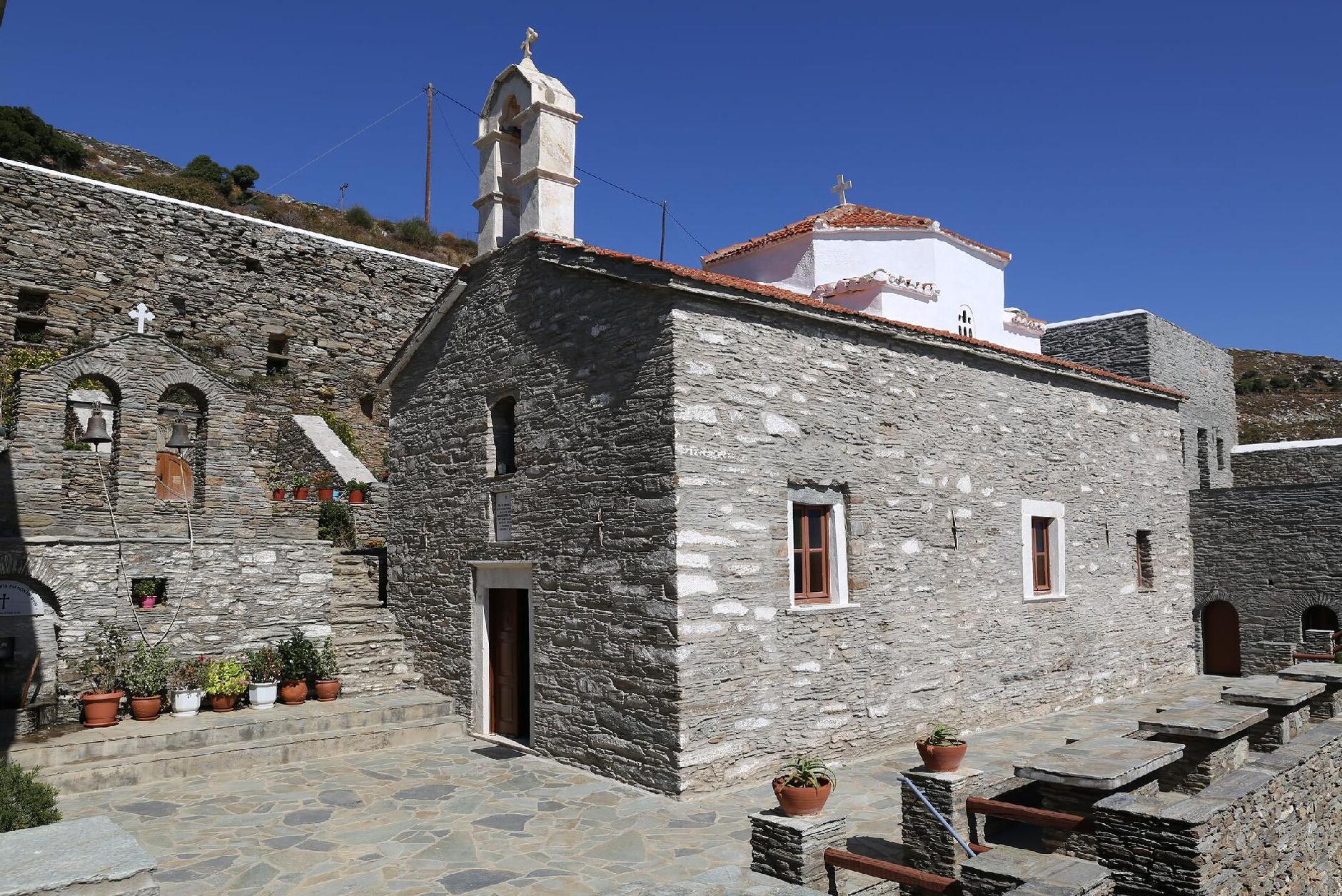

Nestled in the lush hills of Apikia, the Holy Monastery of Saint Irene stands as a testament to the rich tapestry of Greek history and spirituality. Founded in 1780 by two monk brothers from the village, the Spyridos siblings, this monastery was initially a haven for female monastics. Its serene location, overlooking the verdant landscape of Greece, provided an ideal setting for contemplation and devotion.
The monastery thrived until 1833, a pivotal year marked by the decree of the Ottoman regency, which mandated the dissolution of numerous Orthodox monasteries with limited congregations. This decree resulted in the closure of about a thousand religious sites across Greece, stripping them of their assets and diminishing their cultural significance. Despite the passage of time and the ravages of neglect, the core temple of Saint Irene has endured, symbolizing resilience amidst adversity.
The architectural design of the Holy Monastery of Saint Irene reflects the traditional Greek ecclesiastical style, characterized by robust stone walls and a simple yet elegant façade. The central temple, dedicated to Saint Irene, is adorned with intricate frescoes that depict various biblical scenes and saints, showcasing the artistry of the period. These artworks are not just visually striking; they also narrate the spiritual journey of the monastic community and their devotion to faith.
In 2006, a significant revival took place when master craftsman Eleftherios Polemis acquired the dilapidated 13-acre estate. Over a decade, he and his family painstakingly restored the monastery, preserving its original structure while revitalizing the surrounding spaces. This restoration effort has breathed new life into the monastery, transforming it into a cultural hub that welcomes visitors and offers a glimpse into its storied past.
Cultural practices in Apikia are deeply intertwined with the monastery's legacy. The local community celebrates various traditions, one of the most notable being the feast day of Saint Irene, held annually on May 5th. This vibrant festival features religious services, processions, and communal feasting, bringing together locals and visitors alike. It’s an opportunity to experience the warmth of Greek hospitality, as tables overflow with traditional dishes and sweets made with love.
Gastronomy in the region is a reflection of its rich agricultural heritage. Visitors to Apikia can indulge in local specialties such as moussaka, a layered dish of eggplant, minced meat, and béchamel sauce, or giouvetsi, a comforting casserole of orzo pasta and tender meat, often flavored with aromatic herbs. For those with a sweet tooth, Baklava—a pastry of layered phyllo dough filled with nuts and drenched in honey—offers a delectable taste of Greek culinary tradition.
One lesser-known fact about the Holy Monastery of Saint Irene is its role in the community beyond religious duties. During the summer months, the monastery hosts children’s camps, providing a nurturing environment for learning and bonding. This initiative emphasizes the monastery's commitment to fostering a sense of community and supporting the younger generation.
For those planning a visit, the best time to explore the Holy Monastery of Saint Irene is during the spring or early autumn when the weather is mild and the natural surroundings are in full bloom. Make sure to dress modestly, as this is a place of worship. Take time to wander the grounds and absorb the serene atmosphere, and don’t miss the opportunity to engage with the local community during festivals.
As you explore this hidden gem of Apikia, keep an eye out for the subtle details—the delicate carvings on wooden doors, the quiet corners perfect for reflection, and the inviting smiles of the monks. Each element tells a story waiting to be discovered.
To enhance your experience, consider using the Secret World app to craft a personalized itinerary for your visit to Apikia.


