
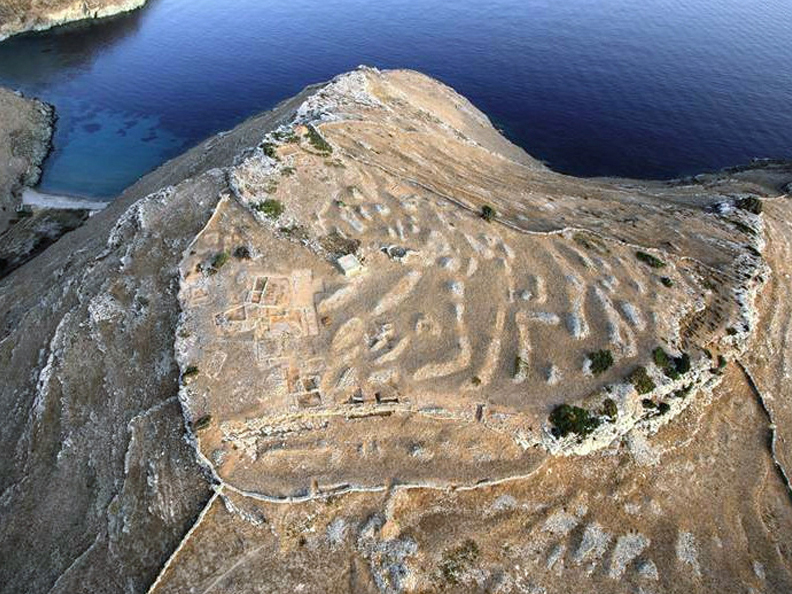

Nestled on the picturesque island of Andros, Strofilas stands as a testament to the ingenuity of early civilizations, claiming the title of the most ancient city in Europe. Dating back to 4,500 – 3,300 BC, this archaeological marvel is not only the largest settlement of the Modern Neolithic Age found in the Aegean but also offers profound insights into the early social structures and urban organization of its time.
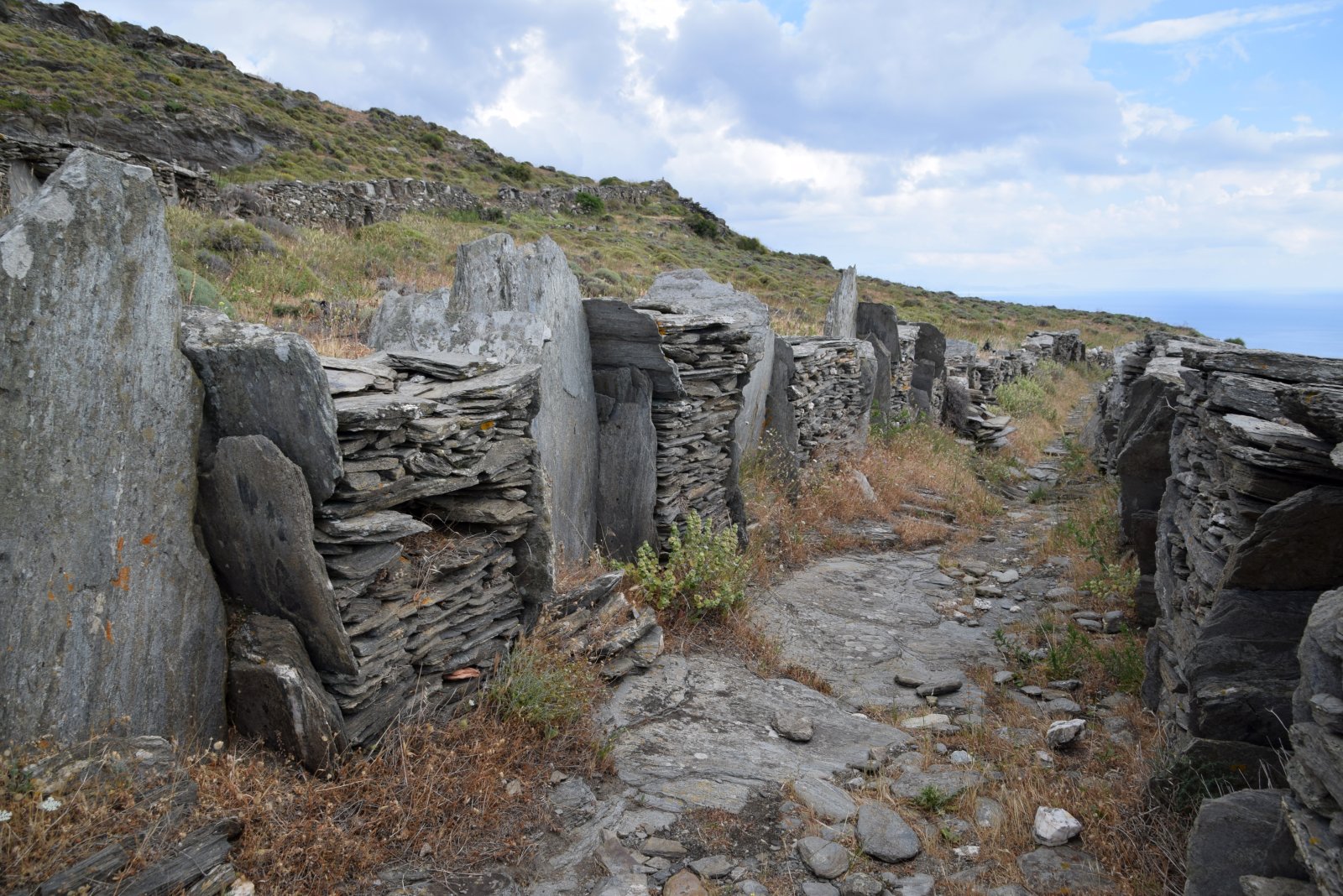
The origins of Strofilas are intertwined with the natural beauty of Andros, which served as a crucial link between the islands of the Aegean Sea and the mainland of Greece. Its fertile lands, abundant waters, and rich vegetation fostered a thriving community. Excavations have revealed a remarkably intact settlement that challenges our understanding of Cycladic prehistory. Scholars believe that the very existence of such a well-organized city implies a sophisticated level of cooperation among its inhabitants, marking a pivotal moment in human development.
The architectural significance of Strofilas is truly astounding. It boasts early urban structures that reflect advanced planning and construction techniques. The settlement is characterized by its defensive architecture, which includes the oldest documented example of fortified defenses with gates and bastions. Covering an expanse of over 30 acres, the ruins of Strofilas showcase densely built homes and communal spaces that illustrate the complexities of early urban life. The layout hints at a thriving society, well-versed in agriculture, and likely engaged in trade with neighboring islands.
Artistic expressions from this era are equally fascinating. While much of the art remains undiscovered, what has been revealed indicates a community that valued craftsmanship and aesthetics. Pottery, tools, and other artifacts uncovered at Strofilas exhibit intricate designs and functional forms, suggesting a blend of utility and artistry. This early engagement in metallurgy and artistic endeavors challenges assumptions about the capabilities of Neolithic societies, revealing a culture that appreciated beauty alongside practicality.
Local culture and traditions in Andros have been shaped by its long history, with echoes of its ancient past visible in contemporary customs. The island is known for its vibrant festivals, particularly the Feast of the Assumption celebrated in mid-August. During this time, the streets come alive with music, dancing, and traditional foods, allowing visitors to experience the local spirit in a truly immersive way. The cultural importance of such events lies in their ability to connect the present to the rich tapestry of the island's history, fostering a sense of identity among its residents.
Gastronomy in Andros is a delightful exploration of local flavors, heavily influenced by the island's natural resources. Traditional dishes such as revithada (chickpea stew) and kaparosalata (capers salad) reflect the island’s agricultural bounty. Visitors should not miss tasting local cheeses, particularly graviera and kefalotyri, which are often paired with locally produced wines. The culinary traditions of Andros offer a delicious journey through the island’s history, with recipes passed down through generations that celebrate its unique heritage.
For the curious traveler, Strofilas holds many lesser-known curiosities. One fascinating aspect is the discovery of ancient burial practices that hint at the spiritual beliefs of its early inhabitants. The positioning of graves and offerings suggests a ritualistic connection to the land and the afterlife. Additionally, the nearby Korthio Valley, often overlooked, offers breathtaking landscapes and opportunities for hiking, allowing visitors to immerse themselves in the natural beauty that has sustained communities since ancient times.
The best time to visit Strofilas is during the spring and early autumn months when the weather is mild, and the island is less crowded. Early mornings or late afternoons are ideal for exploring the archaeological site, as the soft light enhances the beauty of the ruins. It’s crucial to wear comfortable shoes, as the terrain can be uneven, and bring plenty of water to stay hydrated during your explorations.
While Strofilas may not yet be on every traveler’s radar, it is a destination that promises a profound connection to our shared human history. As you wander through the remnants of this ancient city, take a moment to imagine the lives of those who once called it home. Their legacy continues to echo through the ages, inviting us to discover the stories etched into the stones.
To enhance your journey through this remarkable locale, consider using the Secret World app to craft a personalized itinerary that reveals the hidden gems of Andros.


