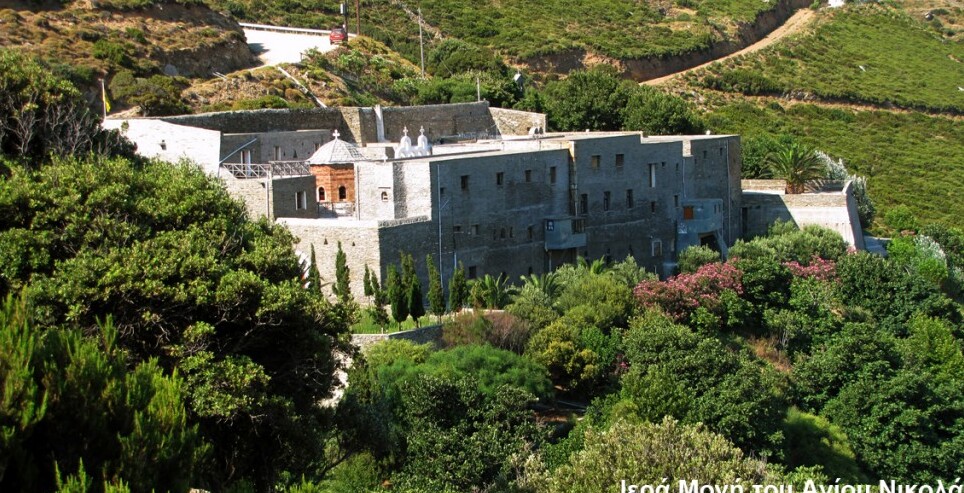

Nestled on the serene hillside north of Chora, the capital of Andros Island, lies the enchanting St. Nicholas’s Monastery. This sacred site is not only a spiritual haven but also a treasure trove of history, art, and culture, inviting visitors to explore its rich legacy.
### History and Origins
The monastery was founded in 1540 and has served as a significant landmark in the region ever since. Its establishment was deeply intertwined with the socio-political landscape of the time, as it became a refuge for scholars and intellectuals during the Greek War of Independence in 1821. The monastery's remote location provided a safe haven for members of the Friendship Society of the Cyclades, who secretly operated a printing press and bookbinding workshop within its walls, fostering education and enlightenment during a time of repression.
The monastery’s name, “Ores,” meaning “hours” in Greek, is a nod to the Byzantine hymn of the Great and Royal Hours, which drew local patrons and sailors to participate in its spiritual observances. Over the centuries, St. Nicholas’s Monastery has weathered various challenges, including repairs in 1760 that preserved its architectural integrity and spiritual significance.
### Art and Architecture
Architecturally, St. Nicholas’s Monastery is a stunning representation of Byzantine and post-Byzantine styles, characterized by its robust stone walls and elegant arches. The monastery complex boasts a harmonious blend of structures, including chapels, living quarters, and communal spaces, all meticulously restored to reflect their original grandeur.
Inside, the monastery houses several revered artifacts, including the holy icon of Virgin Mary Myrovlitisa, which was transferred here from Constantinople in the 16th century. The intricate silver-sewed icon of Saint Nicholas, crafted by the nun Leontia, is particularly noteworthy. Using gemstones and her own hair instead of traditional sewing thread, she created a stunning representation of the saint that continues to inspire awe among visitors.
In addition to these icons, the monastery is home to holy relics, such as the bones of Saint Nicholas, the jaw of St. Kosmas from Aitolia, part of the head of St. Joseph of Arimathea, and the thigh of Saint Great-martyr Jacob of Persia. These relics underscore the monastery's importance as a center of Christian devotion and pilgrimage.
### Local Culture and Traditions
The culture surrounding St. Nicholas’s Monastery is vibrant and deeply rooted in the traditions of Andros Island. Every year, local residents celebrate the feast day of Saint Nicholas on December 6th with processions and communal gatherings. The monastery plays a central role in these festivities, drawing visitors from across the island and beyond to partake in the spiritual and cultural significance of the day.
In the surrounding village of Apikia, you’ll find a blend of traditional lifestyle and modernity, where local customs thrive. The island's inhabitants maintain a strong connection to their heritage, celebrating various festivals that highlight their culinary traditions, music, and dance.
### Gastronomy
Andros Island is renowned for its diverse gastronomy, which reflects both its agricultural bounty and maritime resources. Visitors to Apikia should indulge in local specialties, such as Sifnos chickpeas, fava (a creamy split pea puree), and the island's fresh seafood.
Pair these dishes with local wines, especially the Robola, a white wine that complements the flavors of the region beautifully. The monastery’s proximity to local farms means that many ingredients used in these traditional dishes are sourced from the land surrounding it, connecting visitors to the island's agricultural heritage.
### Lesser-Known Curiosities
While many visitors may be drawn to the monastery's prominent artifacts and architecture, a few hidden details often go unnoticed. For instance, the monastery is said to have a secret passage that once connected it to the nearby village, allowing monks to move discreetly during turbulent times.
Additionally, the monastery’s library, although not widely advertised, houses rare manuscripts and texts that date back centuries, providing a glimpse into the scholarly pursuits that flourished within its walls.
### Practical Visitor Information
The best time to visit St. Nicholas’s Monastery is during the spring and early fall, when the weather is mild and the surrounding landscape bursts with color. Be sure to wear comfortable shoes, as the walk to the monastery involves some elevation.
When exploring, take time to admire the stunning views of the Aegean Sea and the lush greenery that envelops the site. Don’t miss the opportunity to engage with the resident monks, who can provide insight into the monastery’s history and significance.
For those planning a visit, using the Secret World app can help create a personalized itinerary to ensure you capture all that Apikia has to offer, from its rich history to its culinary delights.
