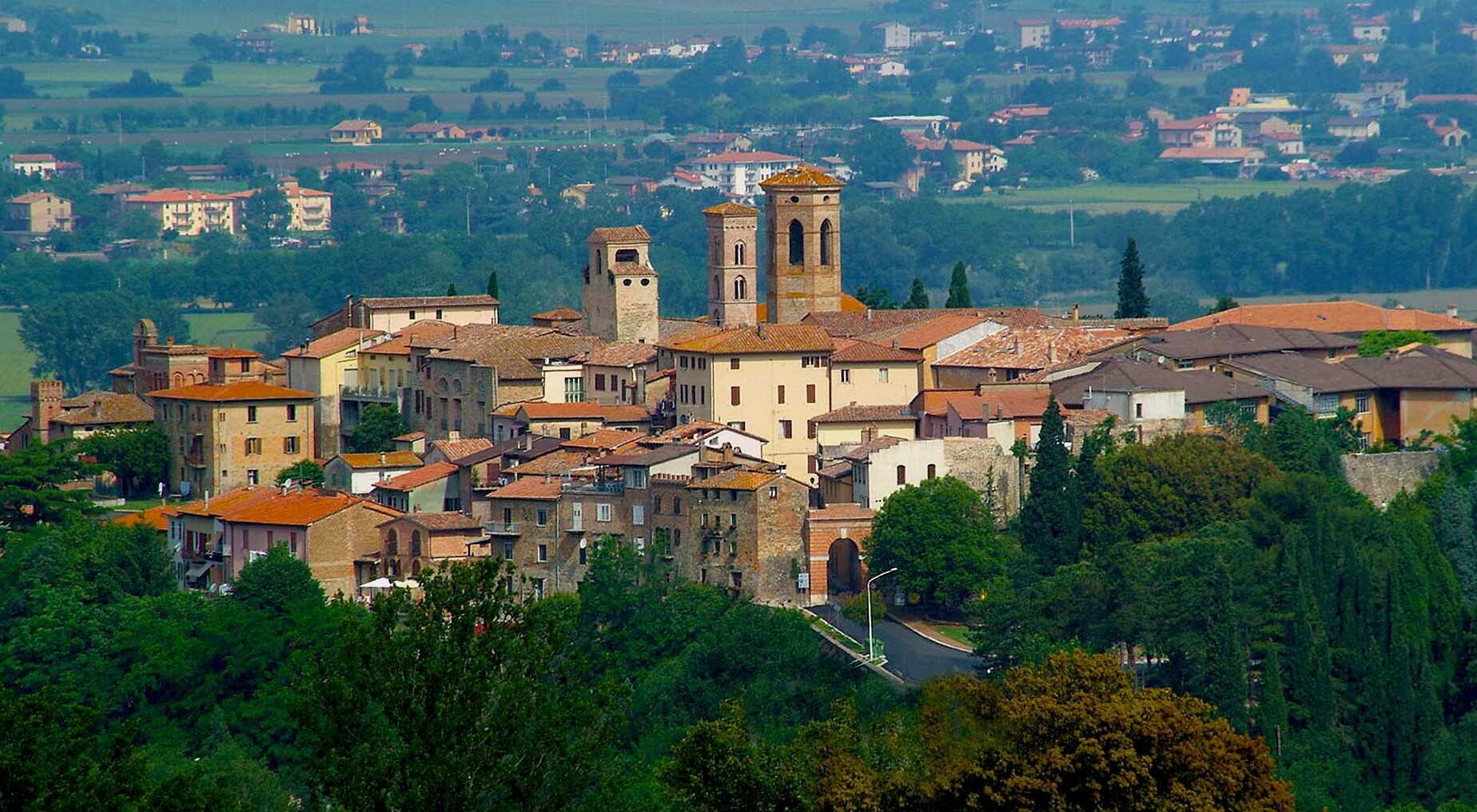

Nestled amidst the rolling hills of Umbria, the medieval village of Deruta is a treasure trove of hand-painted pottery and ceramics, cherished not only for its artistic significance but also for its rich historical tapestry. Located just a stone’s throw from Perugia along the E45 highway, Deruta boasts a legacy that intertwines artistry and history, making it a captivating destination for those who venture beyond the typical tourist routes.
### History and Origins The history of Deruta is a fascinating journey that dates back to ancient times, with evidence of Roman remains discovered in the area, hinting at its strategic significance. The village's name is believed to derive from the Latin 'ad rivi' meaning 'by the river,' a reference to the nearby Tiber River. By the 8th century, Deruta had established itself as an important settlement, receiving its own statute and the right to construct a fortress. Remnants of this fortress can still be seen today, alongside three ancient gates that once served as the village's protective entryways.
The peak of majolica pottery production in Deruta occurred during the Renaissance, particularly in the 16th century when artisans began to experiment with vibrant colors and intricate designs. Initially, the ceramics were utilitarian, crafted for everyday use; however, as demand grew, the artistry evolved, transforming common objects into exquisite works of art that are now highly sought after.
### Art and Architecture Deruta's architectural charm lies in its medieval layout. The narrow, winding streets are lined with stone houses that exhibit a blend of Gothic and Renaissance styles, creating a picturesque backdrop for the village's artistic endeavors. Notable landmarks include the Church of San Francesco, adorned with beautiful frescoes and a striking altar that showcases the local artisans' craftsmanship.
The highlight of any visit to Deruta is its ceramic workshops, where skilled artisans continue the centuries-old tradition of majolica painting. Here, visitors can witness the meticulous process of creating ceramics, from shaping the clay to hand-painting intricate designs that often depict vibrant floral patterns or biblical scenes. Each piece is a testament to the dedication and talent of the artisans, making them unique and valuable.
### Local Culture and Traditions Deruta is not merely a hub for pottery; it is steeped in local customs and traditions that reflect the heart of Umbrian culture. One of the most significant events is the Festa della Ceramica, held in September, where the village comes alive with colorful parades, live demonstrations of pottery-making, and exhibitions showcasing both contemporary and traditional works. This festival draws visitors from around the world who gather to celebrate this age-old craft.
Additionally, Deruta is home to a vibrant community that maintains its traditions through various local customs. The annual Feast of St. Michael, the village's patron saint, includes processions, religious ceremonies, and communal meals that foster a sense of unity among residents and visitors alike.
### Gastronomy No visit to Deruta would be complete without indulging in its culinary delights. The region is known for its hearty Umbrian cuisine, characterized by simple yet flavorful dishes that highlight local ingredients. One must-try dish is Torta al Testo, a traditional flatbread often stuffed with savory fillings like prosciutto or cheese. Another local delicacy is Strangozzi, a handmade pasta typically served with a rich tomato sauce or truffle-infused oil, reflecting the area's agricultural bounty.
Pair your meals with a glass of Sagrantino di Montefalco, a robust red wine that perfectly complements the rustic flavors of the region. For dessert, don’t miss out on Crescia, a sweet, flat bread that is often served during festivals and special occasions.
### Lesser-Known Curiosities While many visitors flock to Deruta for its pottery, few know that it was once a favored retreat for artists and intellectuals during the Renaissance. The village attracted figures such as Benvenuto Cellini, who sought inspiration from its beauty and tranquility. Additionally, look out for the hidden ceramic fragments embedded in the village's ancient walls, remnants of the past that tell a silent story of Deruta’s rich artisan heritage.
### Practical Visitor Information The best time to visit Deruta is during the spring and early fall when the weather is mild, and the landscape is awash in vibrant colors. To fully immerse yourself in the local culture, plan your visit around the Festa della Ceramica in September, when the village is at its most vibrant.
When exploring, take the time to engage with local artisans, who often welcome visitors to their workshops. This personal interaction enriches the experience and allows for a deeper appreciation of the craftsmanship behind Deruta’s renowned ceramics.
In conclusion, Deruta is a captivating blend of history, artistry, and culinary tradition, offering a unique glimpse into Umbrian culture. To truly savor the essence of this enchanting village, consider using the Secret World app to craft a personalized itinerary that highlights all the hidden gems of Deruta.
