
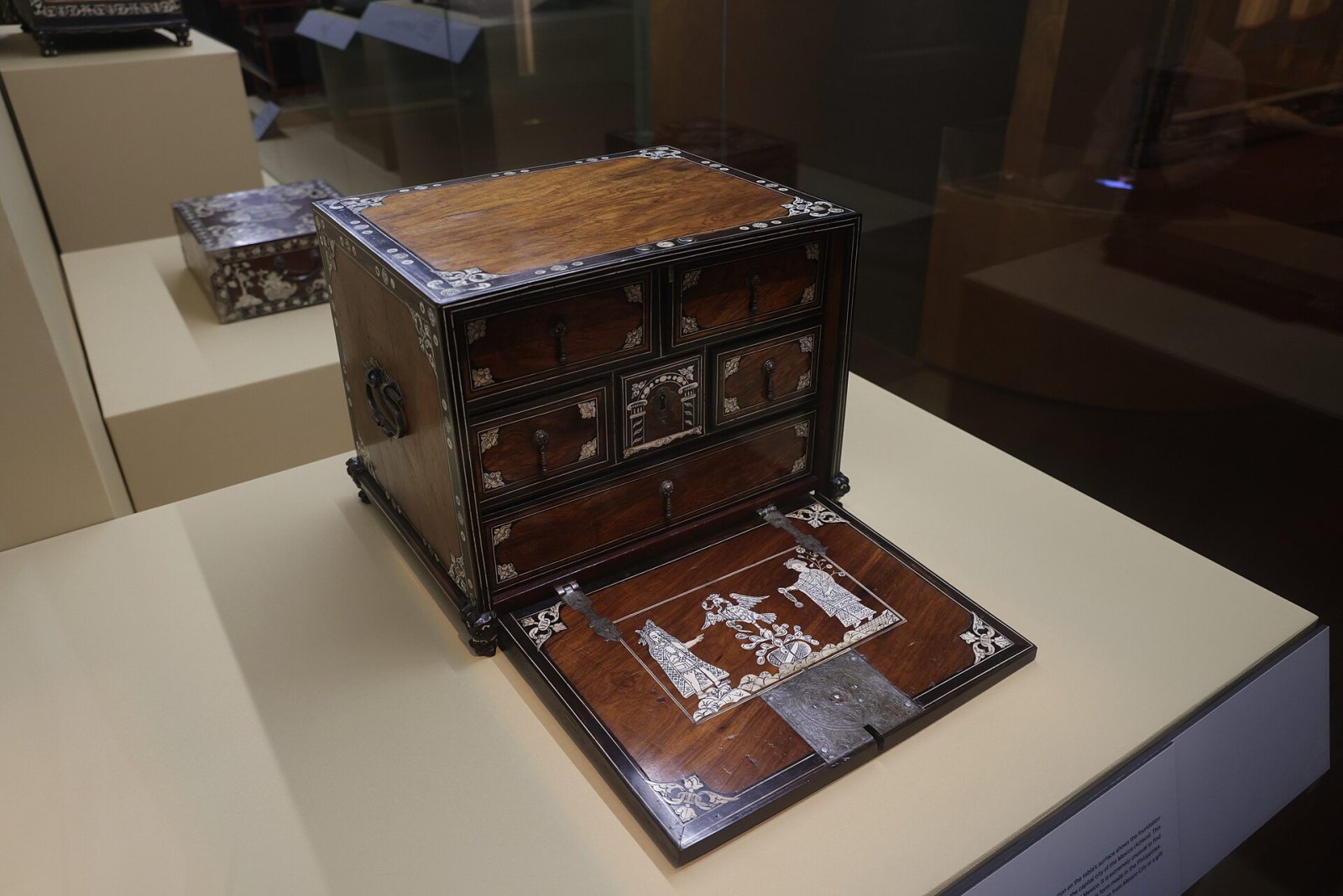

In the vibrant heart of Makati, one of the most dynamic cities in the Philippines, stands the Ayala Museum, a place where history, art, and culture intertwine in a captivating visual narrative. Founded in 1967 by the Ayala Foundation, this museum represents a pillar of the conservation and promotion of Philippine cultural heritage, offering visitors a journey through the various facets of the country's history and art. After a significant renovation, reopened to the public in December 2021, the Ayala Museum is ready to amaze with its unique collections and contemporary architecture.
The museum is not just an exhibition space, but also a center for cultural exchange that highlights the works of local and international artists. Through temporary and permanent exhibitions, the Ayala Museum is committed to presenting not only the history of the Philippines but also the global context in which it is situated. Its central location in Makati, an area known for its luxury shopping centers and vibrant urban life, makes it easily accessible to tourists and residents alike.
Historical and Cultural Context
The Ayala Museum was conceived in the 1950s by Filipino abstract painter Fernando M. Zobel, with the intention of creating a space dedicated to the history and iconography of the Philippines. Its inauguration in 1967 marked the beginning of a cultural adventure that has seen the museum evolve over the years, adapting to the needs of an increasingly global and diverse audience. In 1974, the museum moved to the former Makati Stock Exchange building, designed by renowned national artist Leandro Locsin, a change that marked a significant step towards asserting its cultural identity.
The museum has always aimed to highlight contemporary Philippine art, creating a dialogue between historical and modern works. Its collection includes archaeological artifacts, artworks, and ethnographic exhibitions that tell stories of the various ethnicities and cultures that make up the Philippine social fabric. This commitment to cultural diversity is evident in the exhibitions that, in addition to celebrating local art, also invite international artists and works to engage with the public.


