
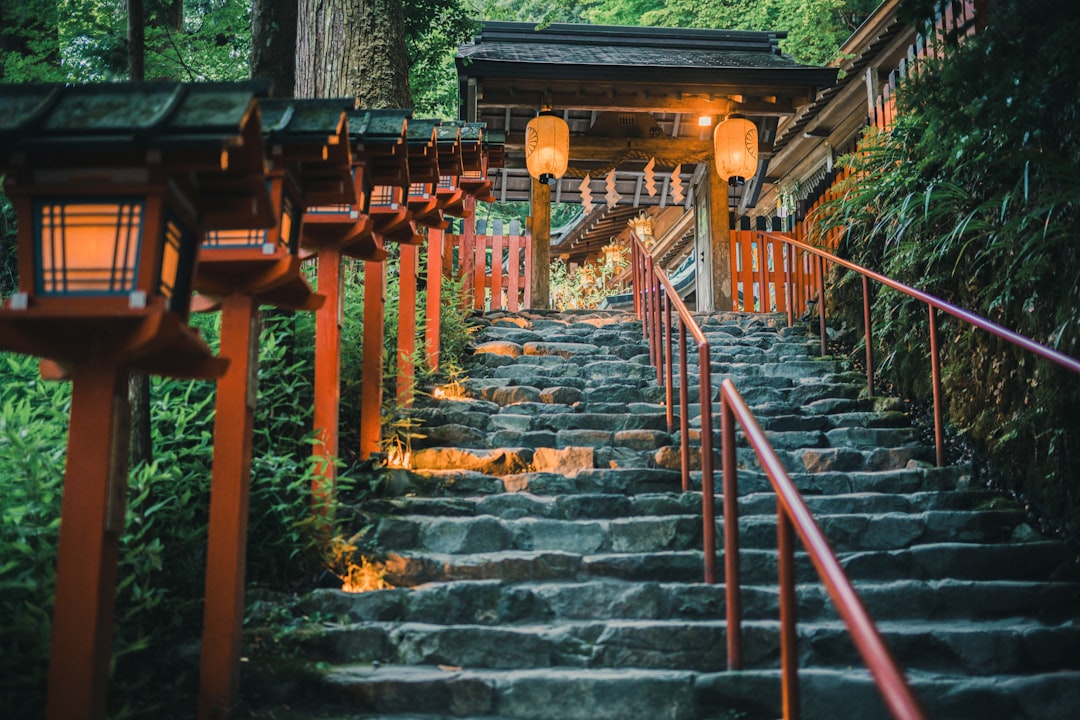

Surrounded by nature and enveloped in a mystical atmosphere, Kifune Shrine is one of the most fascinating places in Kyoto, Japan. Located in the Kansai region, this shrine is dedicated to the water deity and represents an important stop for those wishing to explore Japan's rich culture. Its location, surrounded by mountains and forests, makes it an ideal refuge for those seeking a spiritual experience and connection with nature.

Kyoto, the ancient capital of Japan, is known for its beauty and cultural heritage. Kifune Shrine, with its centuries-old traditions, is a perfect example of how Japanese history intertwines with daily life. Every year, numerous visitors come here not only to admire the site but also to participate in rituals and ceremonies that celebrate the deity Kifune, the bearer of prosperity and abundance.
Historical and Cultural Context
Kifune Shrine was founded centuries ago and represents an important spiritual landmark for the local inhabitants. Its construction is linked to the veneration of water deities, essential for agriculture and daily life. The Kyoto region, with its millennia-old history, has long been a center of culture and religion, and Kifune Shrine fits perfectly into this context, offering insight into how Japanese traditions have been preserved over time.
The shrine is characterized by typical Japanese architecture, with red torii gates and pavilions overlooking breathtaking natural landscapes. The beauty of the surrounding nature, with its waterways and forests, contributes to creating an atmosphere of serenity and contemplation. Visitors can sense the sacredness of the place, which has been a landmark for the local community for generations.
What Stands Out About the Place
What strikes most about Kifune Shrine is its harmony with nature. The paths leading to the shrine are lined with stone lanterns, creating an enchanting atmosphere, especially at dusk. The view of the Kifune River flowing near the shrine adds an additional element of beauty and tranquility. Each season offers a unique experience: in spring, cherry blossoms frame the shrine, while in autumn, colorful leaves create a postcard-like landscape.
Moreover, Kifune Shrine is known for its spiritual practices and rituals. Visitors can participate in purification ceremonies and receive blessings, making the visit not only a tourist experience but also an opportunity for reflection and introspection. The presence of numerous omikuji, fortune messages written on strips of paper, invites a personal connection with the spirituality of the place.
Visiting Experience
Visiting Kifune Shrine is an experience that engages all the senses. The fresh mountain air, the sound of flowing water, and the scent of vegetation create an ideal environment for a break from the hustle and bustle of urban life. Visitors can explore the various corners of the shrine, discovering hidden nooks and architectural details that tell ancient stories. It is advisable to take time to stroll along the river, where one can find perfect resting areas for meditation or simply enjoying the beauty of the landscape.
To reach the shrine, public transport from Kyoto can be used, followed by a short walk through nature. This approach to the sacred place adds an additional layer of beauty to the visit. Furthermore, the best time to visit Kifune Shrine is in spring and autumn when nature displays its splendor.
Practical Information for Visitors
Kifune Shrine is easily accessible by public transport, with several transport options connecting Kyoto to the shrine. Once arrived, it is advisable to wear comfortable shoes to explore the paths and trails leading to the shrine. During the visit, it is important to respect local traditions, maintaining a respectful and quiet demeanor, especially during ceremonies.
Finally, for those wishing to deepen their experience, it is possible to download the Secret World app, a useful resource for discovering further details and tips on how to make the most of your visit to this enchanting place. Kifune Shrine, with its beauty and cultural significance, represents an unmissable stop for anyone visiting Kyoto.


