
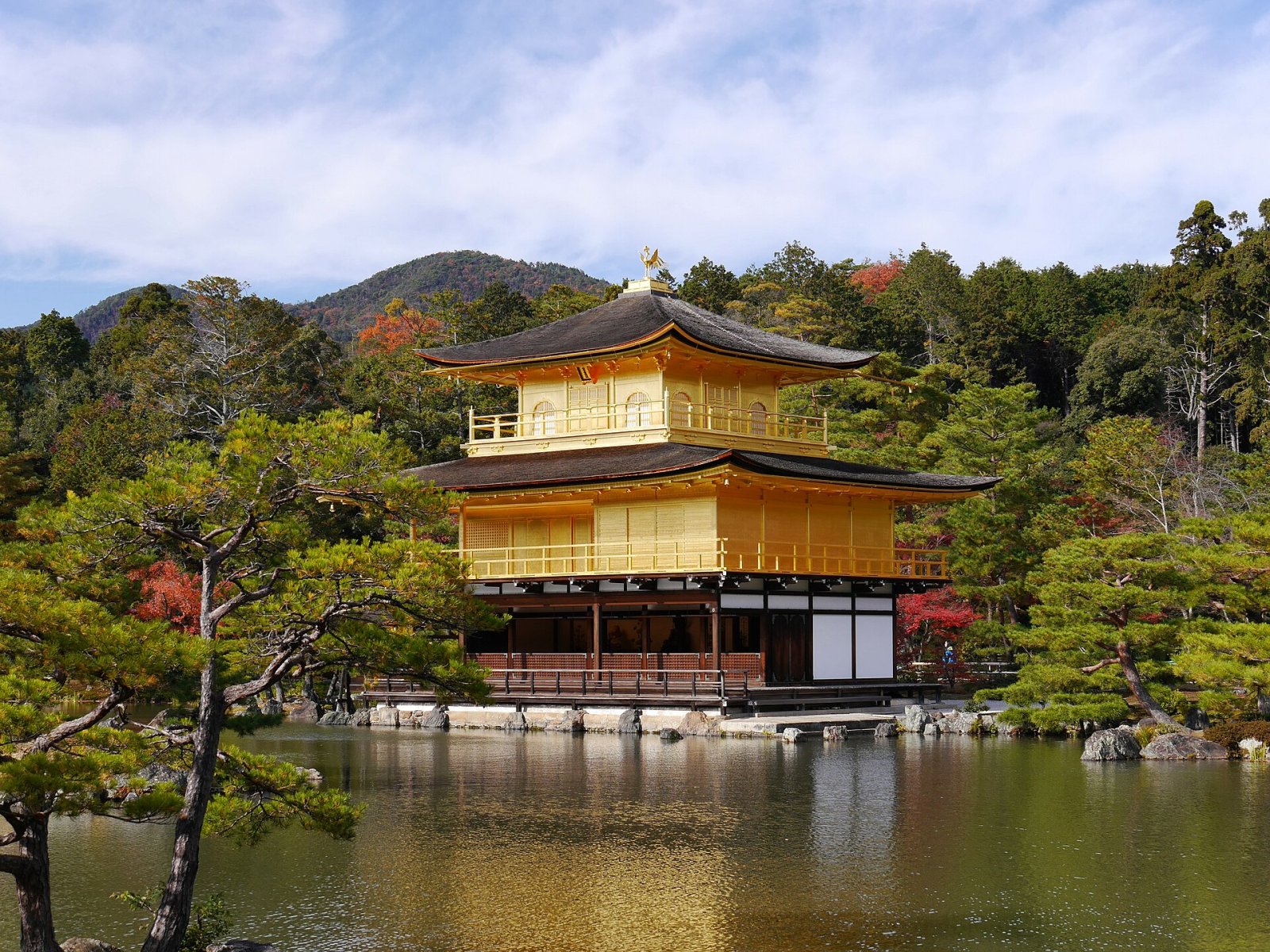

In the heart of Kyoto, Kinkaku-ji, known as the Golden Pavilion, stands majestically, reflecting the beauty of Japanese tradition. This extraordinary example of Zen architecture is surrounded by an enchanting landscape, making it one of the most sought-after destinations for visitors from around the world. Its fame comes not only from the splendid golden structure but also from the deep cultural history it represents, making it a symbol of Kyoto and Japan itself.
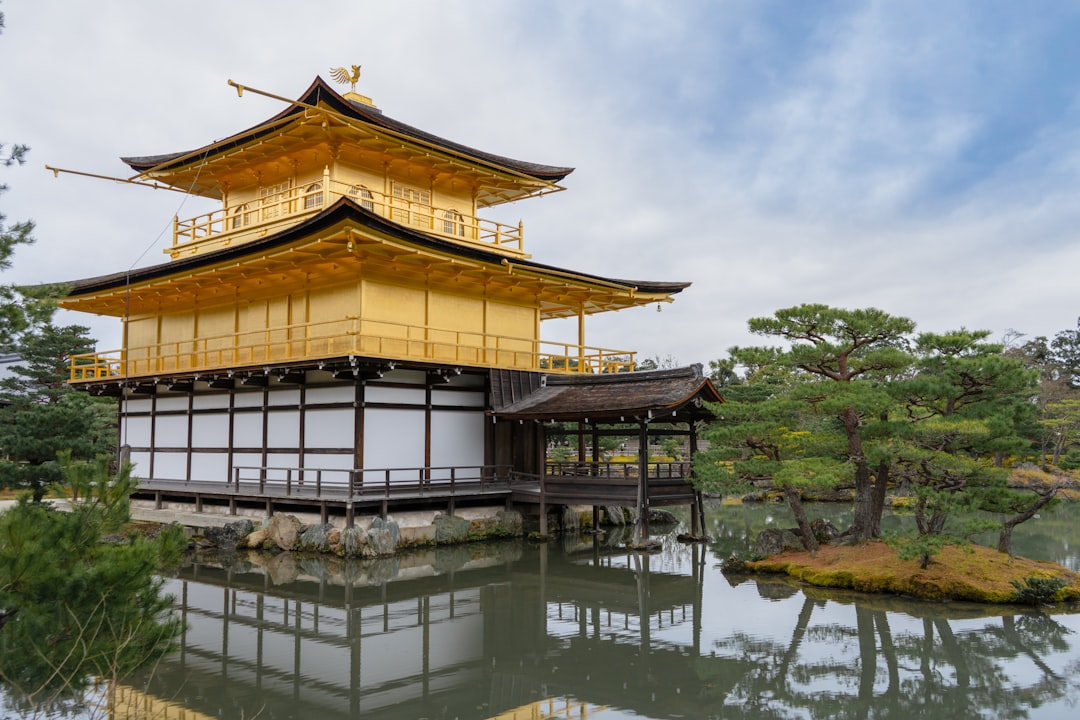
Kyoto, the ancient capital of Japan, is known as the city of culture, where modernity and tradition coexist in a delicate balance. Kinkaku-ji, built in 1397 as a villa for shōgun Ashikaga Yoshimitsu, was transformed into a temple in 1408 and is now a UNESCO World Heritage site. Its architecture, with three floors of different styles, represents the evolution of aesthetic tastes during the Muromachi period.
Historical and Cultural Context
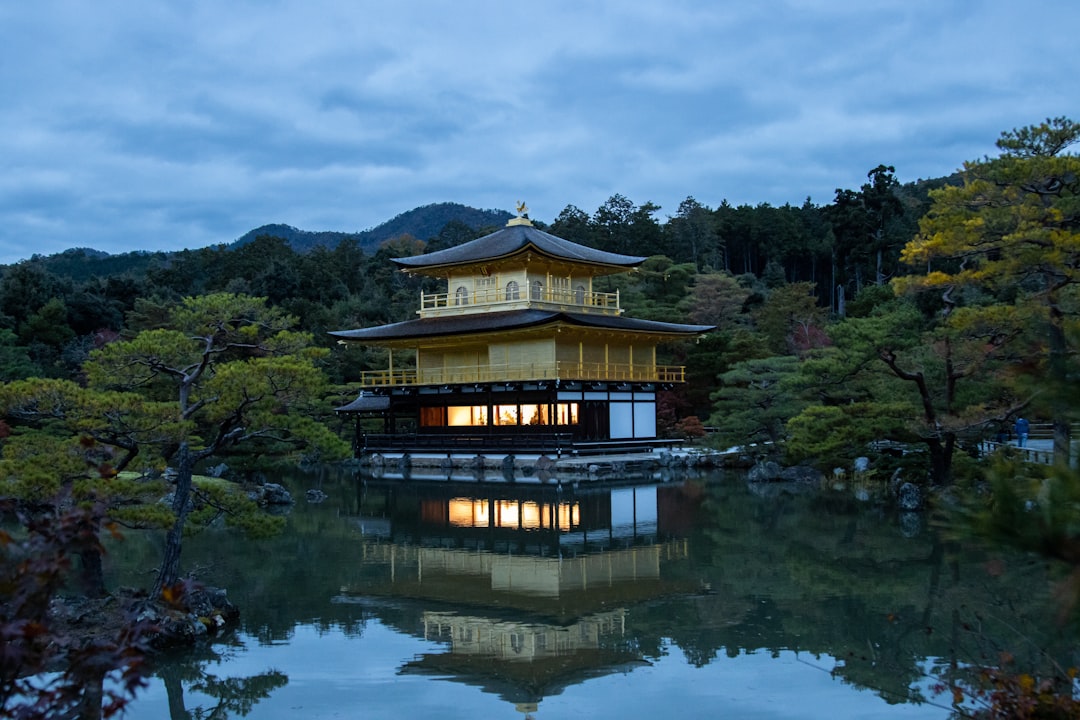
Kinkaku-ji is a splendid example of how Japanese art has developed over the centuries. The original structure, built as a villa, reflects the influence of Zen Buddhism, while subsequent restorations have preserved its distinctive features. The gilding that covers the second and third floors, a symbol of beauty and purity, is made with gold leaves that shine under the sun, creating an iconic image. The temple's history is marked by significant events, including the fire of 1950, which led to its reconstruction, respecting the original principles.
Moreover, Kinkaku-ji is immersed in a landscaped garden that represents a masterpiece of Japanese design. Every element, from the rocks to the trees, has been carefully chosen to create a perfect harmony between nature and architecture. This temple is not just a building to admire, but a place of meditation and reflection, where visitors can immerse themselves in the spirituality of Buddhism and the beauty of nature.
What Impresses About the Place
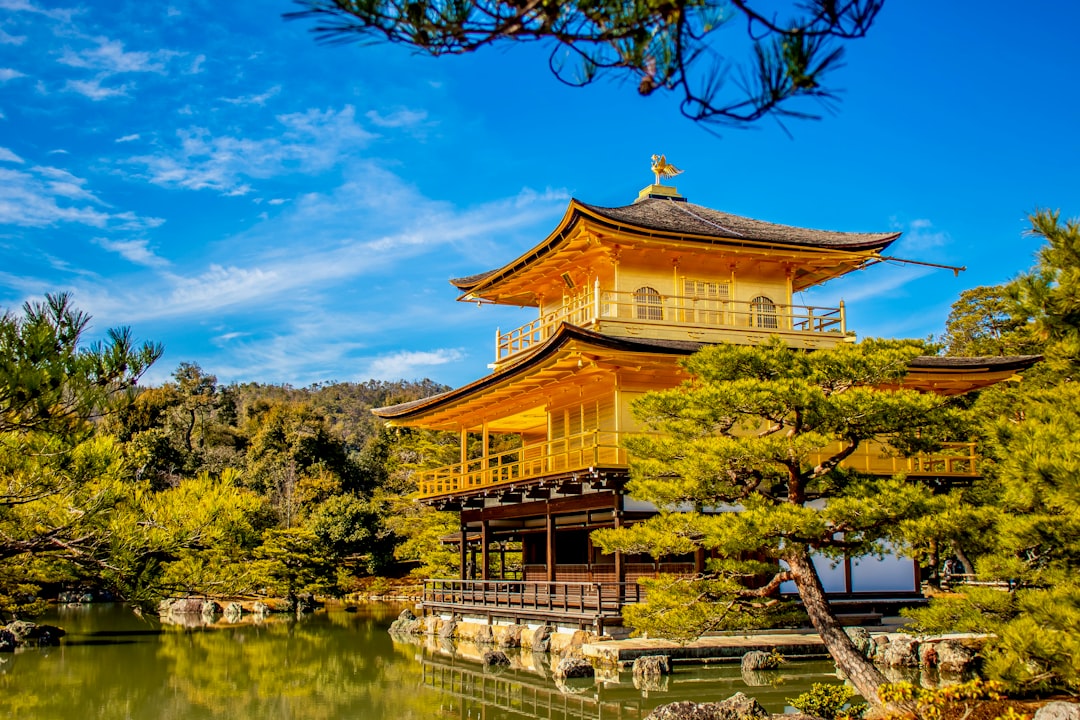
What immediately strikes visitors is the view of the temple reflected in the surrounding lake, creating a postcard image that seems to have come from a painting. The combination of water, vegetation, and the brilliant gold of Kinkaku-ji is an extraordinary visual experience. Each season brings a different aspect of the temple: in spring, cherry blossoms frame the landscape, while in autumn, the leaves turn red and gold, offering a breathtaking spectacle.
Inside the temple, visitors can admire artworks and sculptures that tell ancient stories, contributing to an atmosphere of sacredness and respect. Its beauty is not only external; Kinkaku-ji invites deep reflection on life and the pursuit of inner peace, making it a special place for anyone who visits.
Visiting Experience
Visiting Kinkaku-ji is an experience that goes beyond mere observation. Visitors are welcomed by an atmosphere of tranquility and serenity, inviting them to take the time to explore every corner of the garden. Access to the temple is well organized, with paths guiding visitors through picturesque scenery, allowing them to appreciate the beauty of the place gradually. It is advisable to visit the temple during the early morning hours or late afternoon to avoid crowds and enjoy a more intimate experience.
It is important to remember that Kinkaku-ji is a place of worship, so it is essential to respect the rules of conduct. Visitors are encouraged to keep their voices low and behave respectfully towards others, in order to preserve the sanctity of the place. Bringing a camera is a must, as every corner of the temple offers unique photographic opportunities.
Practical Information for Visitors
Kinkaku-ji is easily accessible by public transport, thanks to several bus lines connecting the temple to downtown Kyoto. Admission is charged, but the cost is modest compared to the experience one has. It is advisable to check the opening hours, as they may vary depending on the season. Within the complex, there are also small areas dedicated to refreshments, where visitors can enjoy tea and traditional Japanese sweets.
Finally, for those who wish to deepen their visit, apps like Secret World can be used, offering detailed information and fascinating stories about the places visited, further enriching the cultural experience. Kinkaku-ji is not just a tourist destination, but a journey into the heart of Japanese culture.


