
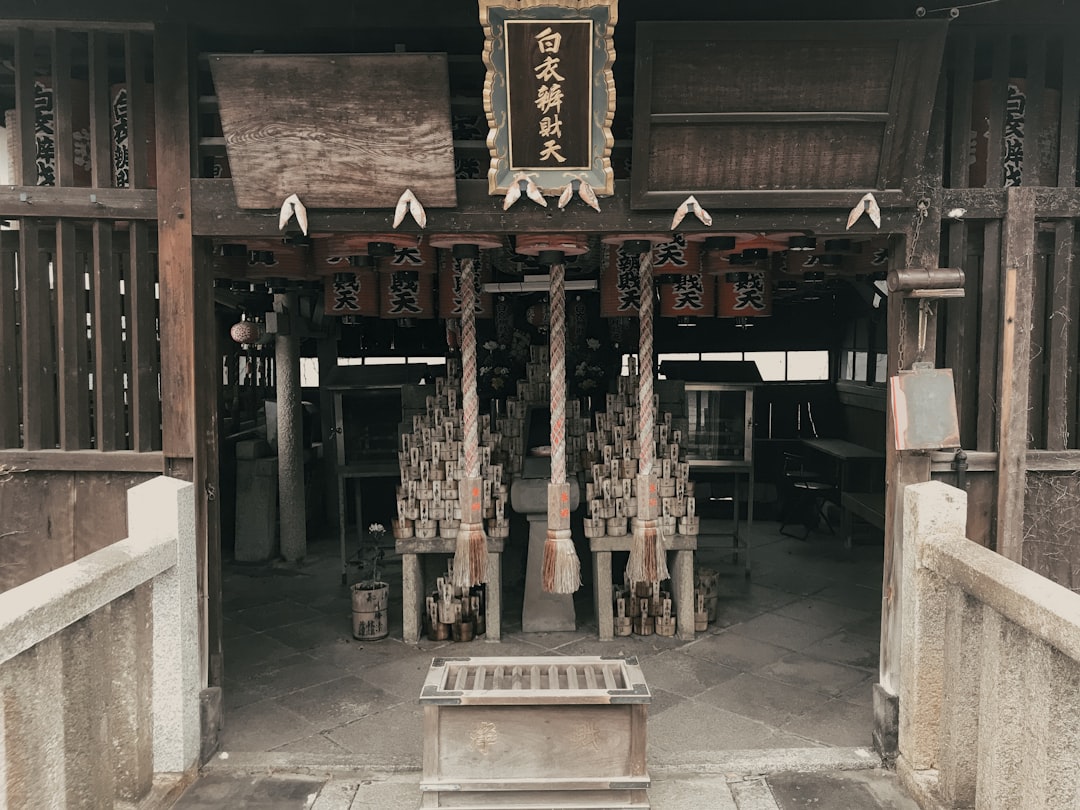

In the pulsating heart of Kyoto, away from the hustle and bustle of the most famous temples, lies Kōtō-in, an architectural gem that embodies the serenity and beauty of Japanese tradition. This temple, part of the Daitoku-ji complex, is a place where time seems to have stood still, enveloped in an atmosphere of calm and contemplation. In a world that runs fast, Kōtō-in offers visitors a peaceful refuge, often overlooked by tourists in search of the more well-known attractions.
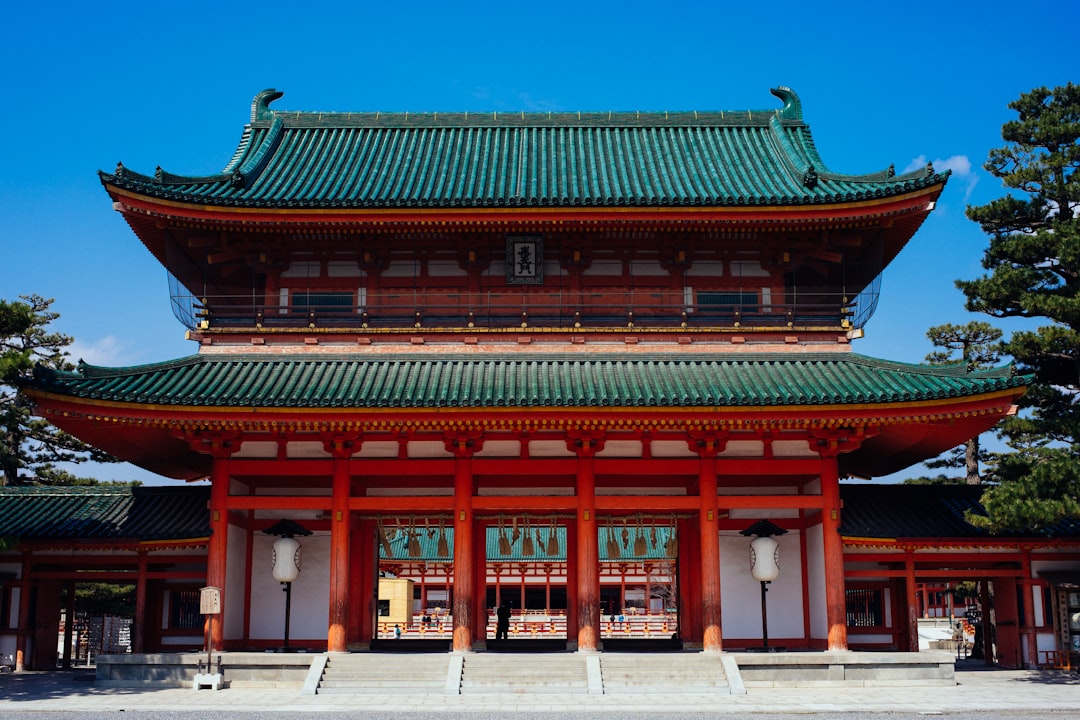
A visit to this temple is a journey through time, an opportunity to immerse oneself in history, architecture, and the beauty of Japanese gardens. Its architectural details and artistic treasures tell stories that date back centuries, making Kōtō-in a place to explore with calm and attention.
Architecture and Design of the Temple
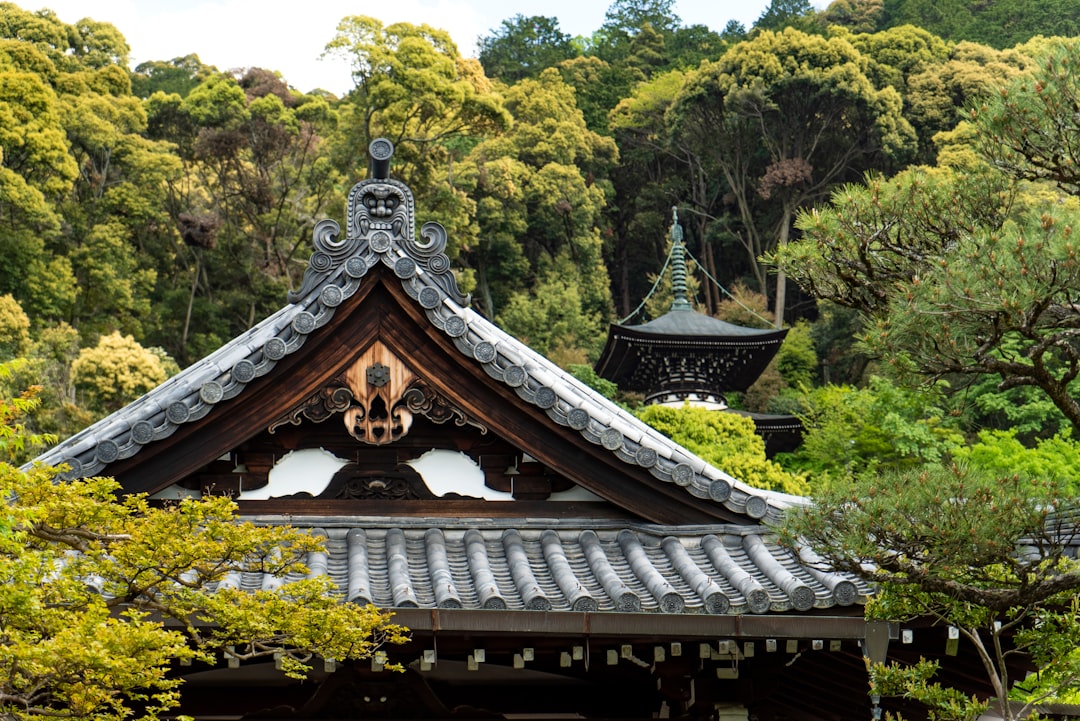
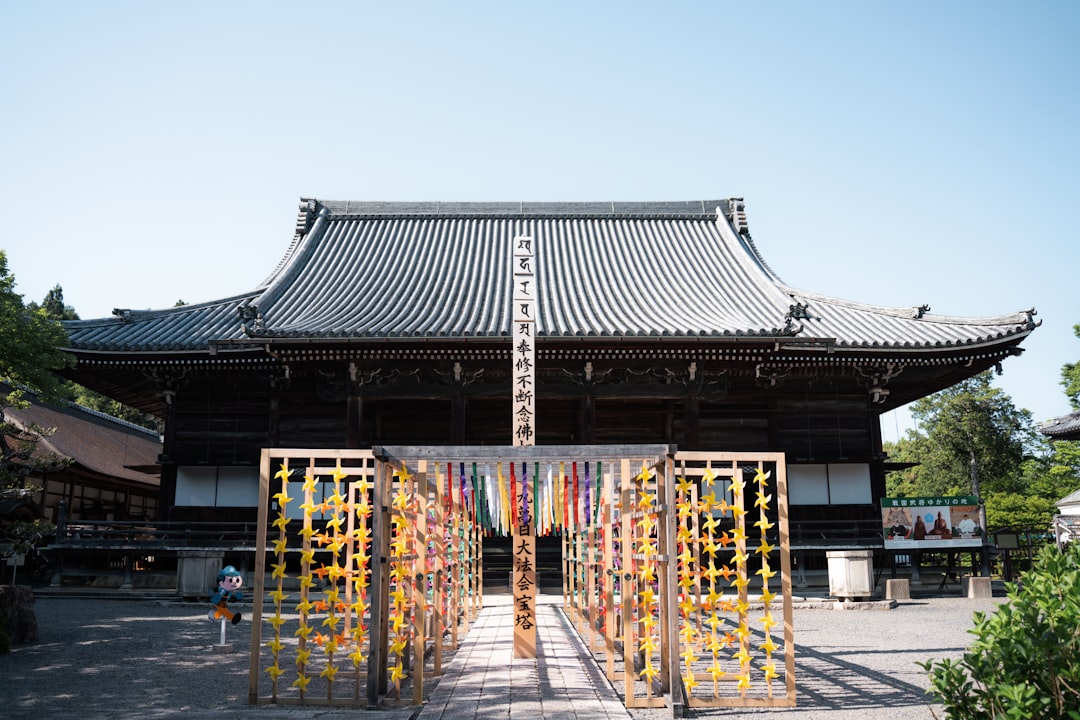
Kōtō-in is a sublime example of Zen architecture, with simple lines and a design that reflects the harmony between man and nature. The main structure, the Hōjo, is characterized by a sloped roof and tatami that adorn its interiors. The arrangement of the spaces is conceived to promote meditation and contemplation, with windows overlooking the surrounding gardens.
One of the most fascinating features of Kōtō-in is its masterful use of natural light. The rooms are illuminated by a soft light that filters through the sliding doors, creating an atmosphere of intimacy and tranquility. Every architectural element, from the wooden beams to the tatami floors, has been carefully chosen to promote a sense of calm and reflection.
Gardens and Nature
The gardens of Kōtō-in are one of its most remarkable attractions, designed according to the principles of Zen philosophy. These green spaces, which combine rocks, moss, and ponds, offer an immersive experience that invites reflection. Walking along the winding paths, visitors can admire the beauty of cherry trees and maple leaves, which change color with the seasons, creating a constantly different natural stage.
Each garden has a symbolic meaning, and their design is conceived to evoke specific emotions and moods. For example, the dry garden, or karesansui, is an abstract interpretation of the natural landscape, inviting visitors to meditate on the beauty of essentiality. Here, the arrangement of stones and moss tells stories of tranquility and serenity, perfect for a contemplative pause.
Artistic Treasures in the Temple
Inside the Kōtō-in, visitors can discover a series of artistic treasures that represent Japanese cultural heritage. Among the most significant are the works of calligraphy and painting that adorn the walls and rooms. These pieces of art, created by master calligraphers, capture the essence of Zen philosophy and the beauty of nature.
Another artistic wonder is the collection of ceramics and art objects that reflect the skill of Japanese artisans. Each piece tells a story of dedication and passion, making the Kōtō-in not only a place of meditation but also an ode to Japanese art and culture.
An Unforgettable Experience
Visiting Kōtō-in is an experience that stays in the heart of every traveler. The combination of architecture, gardens, and art creates a unique environment, where silence is interrupted only by the singing of birds and the rustling of leaves. This temple represents an invitation to slow down, to reflect, and to connect with one's inner self.
Despite its beauty, Kōtō-in remains a lesser-known destination compared to other temples in Kyoto, which makes it even more precious. For those seeking a corner of peace and an authentic Japanese experience, Kōtō-in represents an ideal refuge, where history and natural beauty intertwine in an eternal embrace.


