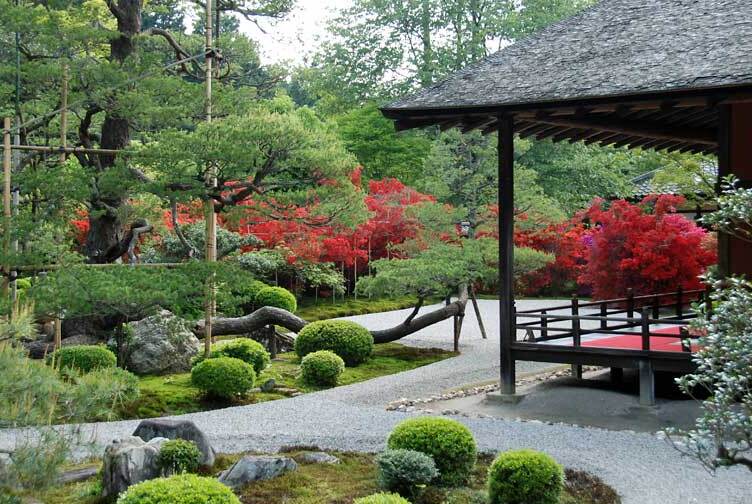

Nestled in the tranquil hills of Kyoto, Manshuin Temple stands as a serene testament to Japan's rich Buddhist heritage. Established in the 8th century by Saicho, the founder of the Tendai sect, this temple not only embodies spiritual significance but also showcases remarkable artistic and architectural achievements.
### History and Origins
Manshuin was founded during a transformative period in Japanese history when Buddhism was establishing its roots in the country. Saicho, who later became known as Dengyo Daishi, sought to spread the teachings of Mahayana Buddhism, emphasizing enlightenment for all beings. The temple's original purpose was to serve as a training ground for monks and a place for meditation.
Over the centuries, Manshuin evolved into a monzeki temple, a designation signifying its leadership by priests from noble or imperial families. This connection to the aristocracy is a unique aspect of its history, as it reflects the intertwining of political and religious power in Japan. In the 16th century, the temple faced challenges during the upheavals that rocked Kyoto, yet it managed to preserve its spiritual and cultural essence.
### Art and Architecture
The architectural style of Manshuin is a splendid representation of Shoin architecture, which flourished during the Muromachi Period (1333-1573). Visitors will find themselves captivated by the elegance of the temple's interior, characterized by tatami mat flooring and the intricate use of fusuma, or sliding doors. These doors are adorned with stunning paintings by renowned artists, showcasing scenes from nature and traditional Japanese life.
One of the most striking features of the temple is its tokonoma, an alcove used for the display of art or floral arrangements, which reflects the aesthetics of Zen Buddhism. The interplay of light and shadow in the rooms enhances the tranquil atmosphere, inviting contemplation and mindfulness. The temple's garden, designed in the karesansui style, further complements the serene environment, offering visitors a space for quiet reflection amidst meticulously raked gravel and carefully placed stones.
### Local Culture and Traditions
As a spiritual site, Manshuin is deeply woven into the cultural fabric of Kyoto. The temple is not just a place of worship; it plays host to various local festivals and rituals that celebrate Buddhist traditions. One such event is the O-Higan, held during the spring and autumn equinoxes, where visitors pay homage to their ancestors.
Moreover, the temple's connection to the Tendai sect means that it attracts practitioners and scholars alike, fostering a vibrant community dedicated to the teachings of Saicho. Visitors may witness traditional ceremonies and rituals that have been preserved through generations, providing a glimpse into the spiritual life of the temple.
### Gastronomy
While Manshuin itself does not offer dining options, the surrounding Shugakuin area boasts charming tea houses and eateries where you can savor local flavors. One must-try dish is yudofu, a simple yet elegant dish of soft tofu simmered in water, often enjoyed with soy sauce and scallions. This dish is particularly popular in the Kyoto region, reflecting the city's emphasis on seasonal and simple cooking.
Another delightful option is matcha, the finely ground green tea that is a staple in Kyoto’s tea culture. Many tea houses near the temple offer matcha experiences, allowing visitors to enjoy the meditative practice of tea preparation while taking in the lush surroundings.
### Lesser-Known Curiosities
Manshuin holds several hidden gems that most tourists might overlook. One fascinating aspect is the bell tower, which houses a bell that dates back to the Edo Period. It is said that ringing the bell brings good fortune and a sense of calm. Additionally, the temple is home to several ancient trees, including a 500-year-old cedar, which bears witness to the temple’s long history and provides a sense of continuity in a rapidly changing world.
Another lesser-known fact is that the temple is often a favorite among local artists and photographers. The interplay of light, shadows, and seasonal changes creates an ever-evolving canvas, making it a source of inspiration for many.
### Practical Visitor Information
The best time to visit Manshuin is during the spring and autumn, when the surrounding nature is at its most picturesque. Cherry blossoms in April and colorful autumn leaves in November create a breathtaking backdrop for the temple’s beauty.
When planning your visit, consider arriving early in the day to enjoy the tranquility before the crowds. Don't forget to take a moment to sit in the garden, allowing the peaceful ambiance to wash over you. Be sure to bring your camera; the stunning views from the temple grounds are not to be missed.
For those looking to explore beyond the temple, the nearby Shugakuin Imperial Villa offers a glimpse into imperial life and beautifully landscaped gardens.
In Kyoto, the ancient and modern coexist in harmony, and visiting Manshuin Temple is a perfect way to experience this balance. To make the most of your journey, consider using the Secret World app to create a personalized AI itinerary that helps you discover the hidden treasures of Kyoto.
