
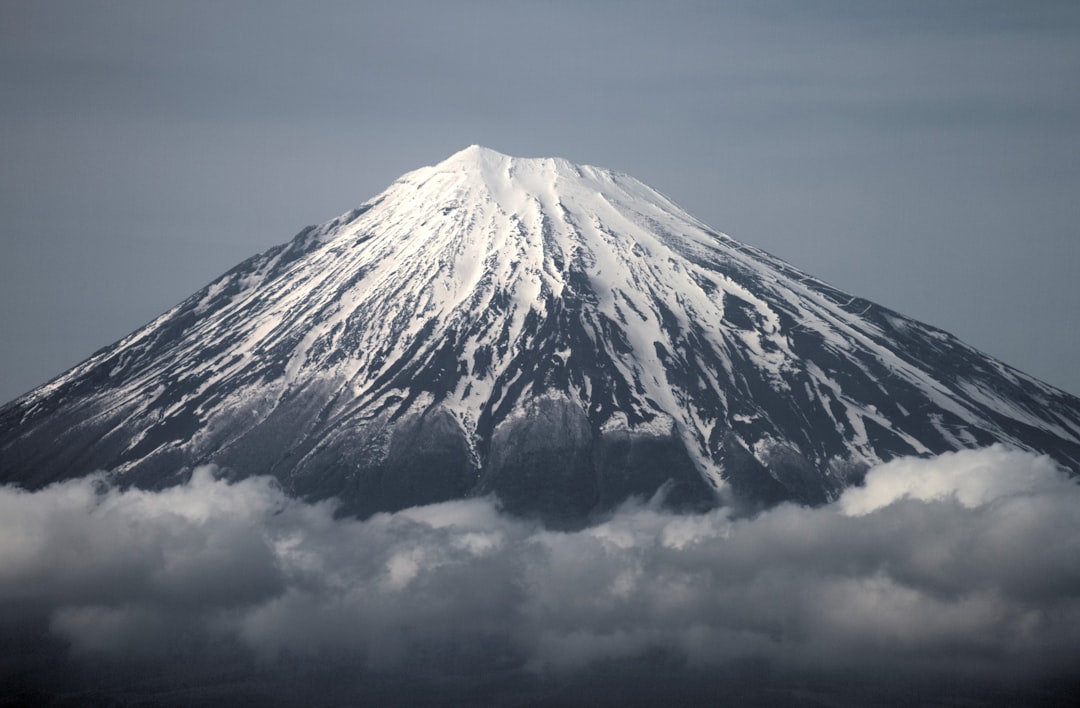

Mount Fuji, known in Japanese as Fujisan, is much more than just a mountain; it is a cultural and natural icon of Japan. Located on the island of Honshu, this active stratovolcano reaches a height of 3,776 meters, making it the highest point in the country. Its perfectly conical silhouette, often covered in snow, is visible even from Tokyo on clear days, attracting visitors from all over the world.

The mountain is not only a destination for hikers and nature lovers but also a place of deep spirituality, being one of Japan's "Three Sacred Mountains." Since 2013, Mount Fuji has been listed as a UNESCO World Heritage site, recognized for its cultural impact and breathtaking beauty.
Why It's Worth the Trip

Visiting Mount Fuji is an experience that goes beyond mere hiking; it is a journey into the heart of Japanese culture. The mountain has inspired countless artists and poets over the centuries, becoming a symbol of beauty and resilience. Its majestic presence offers a unique opportunity for contemplation, reflection, and connection with nature.
Moreover, Mount Fuji is surrounded by a rich variety of flora and fauna, making it a paradise for nature lovers. The different seasons offer enchanting scenery: from the cherry blossoms in spring to the vibrant colors of autumn, each visit promises a unique visual experience.
Landscape and Atmosphere
The landscape surrounding Mount Fuji is extraordinary, with lakes, forests, and hills creating a serene and captivating environment. Lake Kawaguchi, for example, offers a spectacular view of the mountain, reflecting its image on the calm waters. Here, visitors can enjoy walks along the lake, admiring the scenery and breathing in the fresh mountain air.
The atmosphere at the foot of Fuji is one of respect and admiration. Many Japanese consider the mountain a sacred place, and the presence of temples and shrines in the vicinity attests to its spiritual significance. This sense of sacredness is clearly felt during hikes, where each step seems to bring visitors closer to a deeper connection with the land and its history.
What to See and Do
In addition to climbing Mount Fuji, there are many other activities to do in the area. The trekking trails leading to the summit are well marked and offer various levels of difficulty, allowing everyone to experience the thrill of reaching the top. The climbing season runs from July to September, when conditions are most favorable.
For those who prefer to stay at the base, there are numerous cultural and natural attractions to explore. Visitors can discover historic temples, visit local museums, or simply enjoy the beauty of Japanese gardens. The hot springs located nearby also offer a way to relax after a day of adventures.
Practical Information for Visitors
To reach Mount Fuji, public transportation is available connecting Tokyo and the surrounding cities. Various bus and train lines take you directly to the access points for hiking. It is advisable to check the weather forecast and prepare adequately, bringing appropriate clothing and supplies.
Finally, for those looking to plan their visit better, there are useful apps like Secret World, which can provide detailed information on routes, attractions, and activities available in the Mount Fuji region.


