
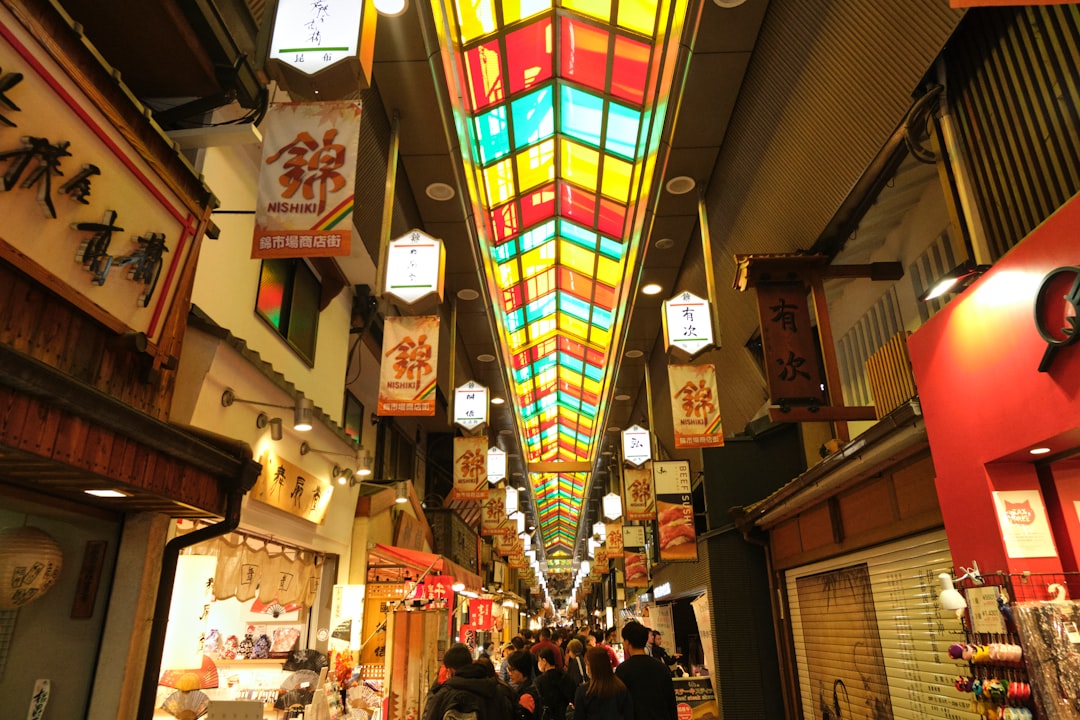

Nishiki Market in Kyoto is a must-visit destination for those looking to immerse themselves in Japanese culinary culture. Located in the heart of Japan's historic capital, this covered market stretches for about five blocks and offers a unique sensory experience, filled with vibrant colors, enveloping aromas, and characteristic sounds. Despite the modernity surrounding Kyoto, Nishiki is a place where Japanese culinary tradition manifests in all its richness.
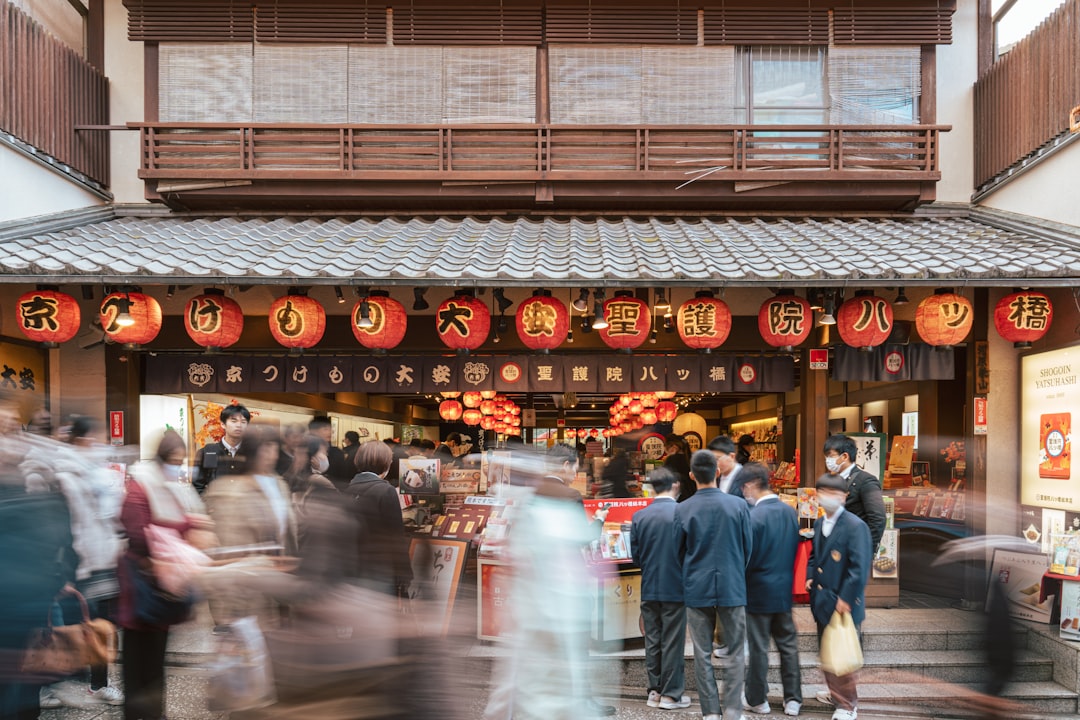
Founded centuries ago, the market has become a landmark for locals and tourists alike, representing a microcosm of Japanese daily life. Here, visitors can find a wide range of fresh products, from seasonal vegetables to freshly caught fish, as well as typical sweets and savory snacks. Every corner of the market tells a story, and strolling through its stalls is a way to discover Kyoto's culture.
Historical and Cultural Context
Kyoto was the capital of Japan for over a millennium, and its cultural heritage has been carefully preserved. Nishiki Market, also known as "Kyoto's Kitchen," has been a commercial center since the Edo period, when local merchants began selling their fresh products and culinary specialties. Today, the market is not only a place for shopping but also a symbol of cultural identity, where Japanese culinary traditions continue to thrive.
Its central location makes it easily accessible and represents a meeting point for locals and visitors. The market stalls are run by families who often pass down their recipes and techniques through generations, keeping Kyoto's culinary tradition alive. This connection to the past makes every visit a journey through time, where flavors and stories intertwine in a unique experience.
What Stands Out About the Place
The first thing that strikes you at Nishiki Market is the variety of colors and aromas emanating from the stalls. Fresh fruits and vegetables, high-quality fish, and local specialties like tofu and Kyoto kimono create a vibrant and welcoming atmosphere. Each stall is a small world of its own, where artisans proudly showcase their products, inviting visitors to taste and discover authentic flavors.
Moreover, the market is a place where you can observe the daily life of the Japanese. Visitors can notice how locals interact with vendors, asking for advice on how to cook various ingredients or which traditional dishes to prepare. This lively and genuine exchange makes the market not just a shopping place but also a cultural experience that enriches the journey.
Visiting Experience
Visiting Nishiki Market is an immersive experience that engages all the senses. Visitors can savor typical dishes like yakitori (grilled chicken skewers), tsukemono (pickled vegetables), and traditional sweets like mochi. Every bite tells a story and allows you to discover the richness of Japanese cuisine. Don't forget to try the famous sake from Kyoto, a drink that perfectly complements the culinary experience.
The market is open every day, and although it can be crowded during peak hours, visiting in the morning offers the opportunity to see the stalls set up and the freshly arrived products. Take your time to explore, interact with the vendors, and perhaps buy some culinary souvenirs to take home. Each visit can be unique, thanks to the variety of products and the people you meet.
Practical Information for Visitors
Nishiki Market is located in the center of Kyoto, easily reachable on foot from the central station. It is advisable to visit during the week to avoid crowds and fully enjoy the atmosphere. The stalls are open from early morning until late afternoon, and many vendors offer free samples to entice visitors to discover their products.
Additionally, you can find restaurants and cafes nearby, where you can enjoy dishes prepared with fresh ingredients from the market. If you wish to deepen your culinary experience, some local businesses offer cooking classes and food tours that will introduce you to the secrets of Kyoto's cuisine. To best plan your visit, don't forget to check the Secret World app, a useful resource for discovering Kyoto's hidden treasures.


