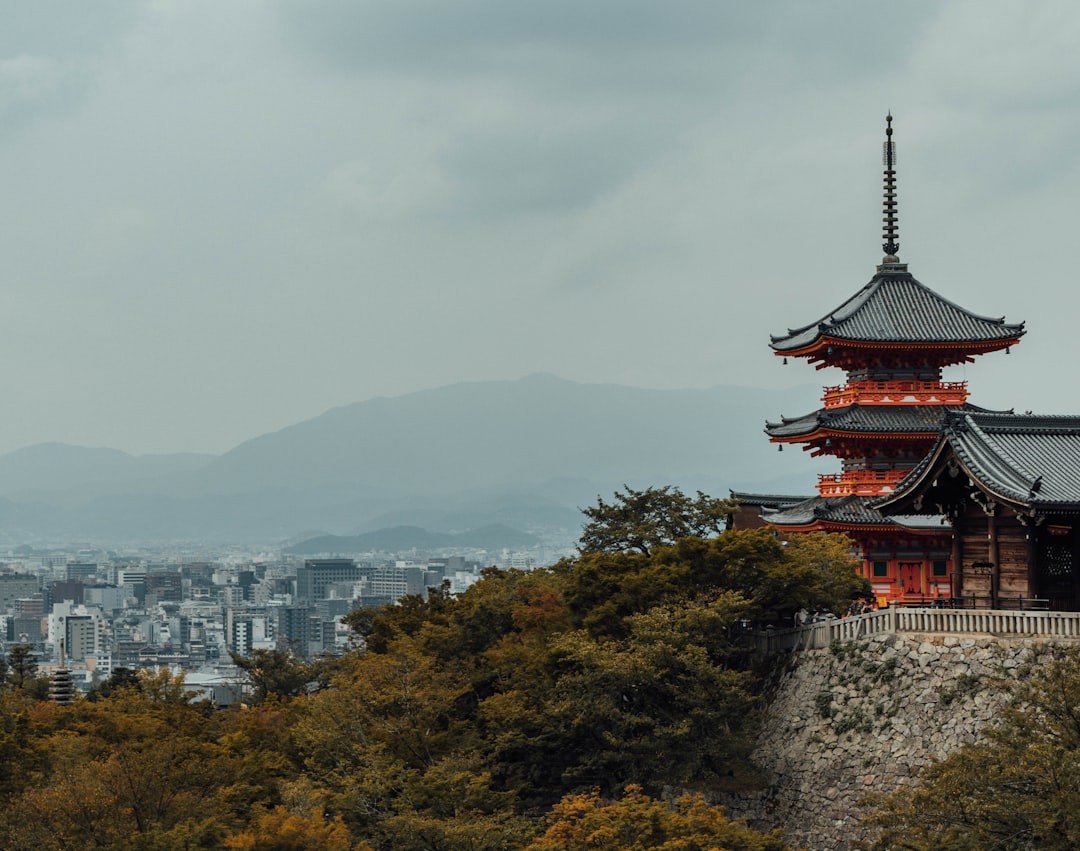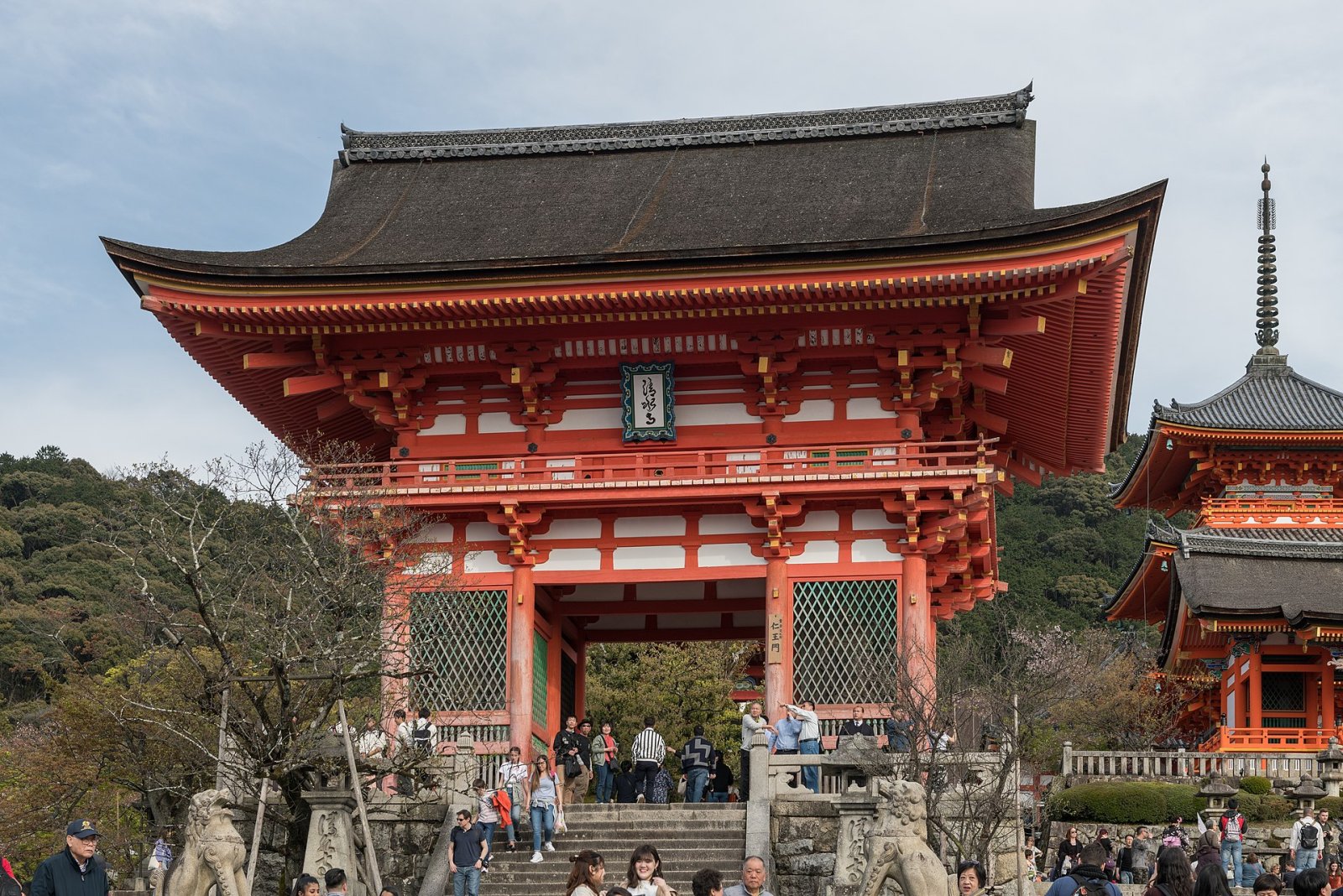

In the heart of Kyoto, one of the most fascinating cities in Japan, stands Kiyomizu-dera, a Buddhist temple that embodies the spirituality and beauty of Japanese culture. Known as the "Pure Water Temple," Kiyomizu-dera is one of the most sought-after destinations for tourists and pilgrims, thanks to its millennia-old history and its panoramic location that offers breathtaking views of the city.
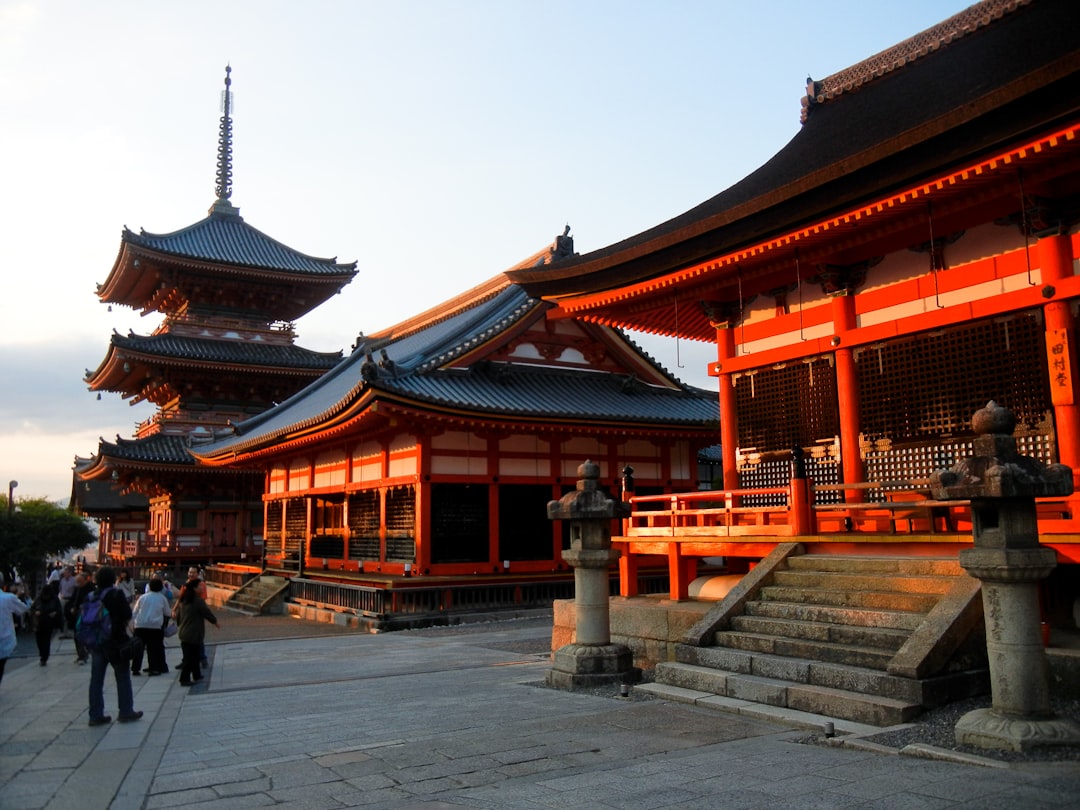
Founded in the eastern part of Kyoto, this temple belongs to the Kita-Hosso sect of Japanese Buddhism and houses a statue of Jūichimen Kannon, the deity of mercy. Kiyomizu-dera is also part of the UNESCO World Heritage, recognized for its historical and cultural significance.
Historical and Cultural Context
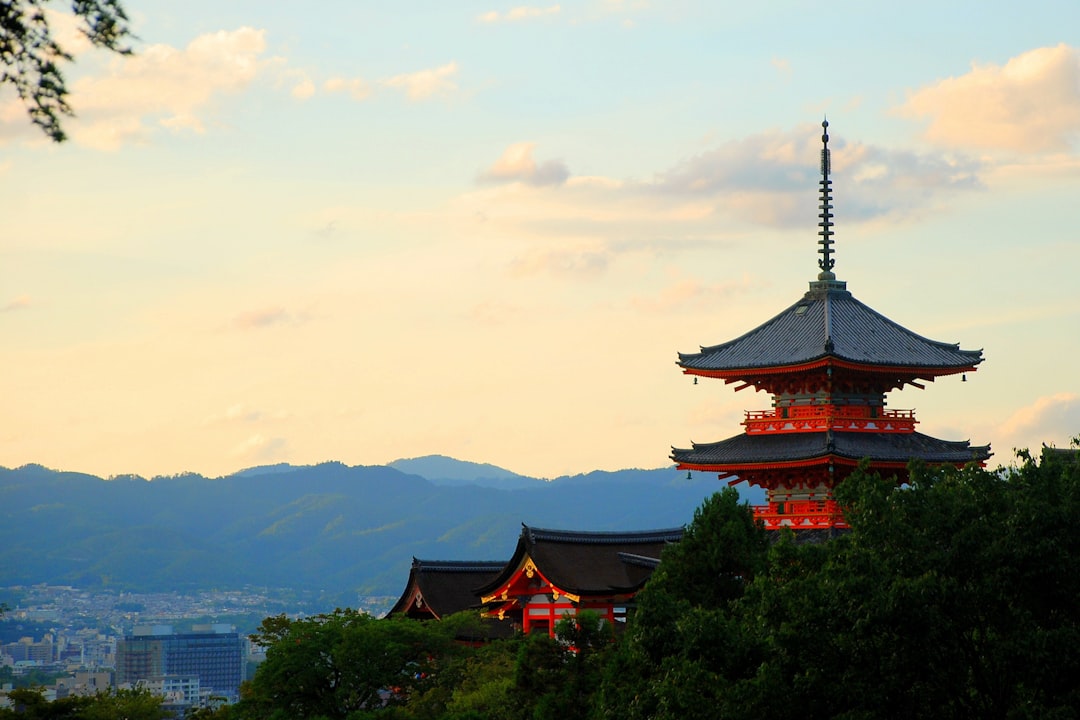
Kiyomizu-dera has origins shrouded in legend, and its historical documentation is scarce. However, it is known that the temple is one of the few that predates the establishment of Kyoto as the capital, which occurred during the Heian period. Its importance is emphasized by the fact that it is one of the stops on the Saigoku Kannon pilgrimage, a spiritual journey that attracts visitors from all over Japan.
The full name of the temple, Otowa-san Kiyomizu-dera, reflects its connection to the pure water springs that flow beneath it. These waters are considered sacred and are said to have healing powers. Every year, on December 12, the temple hosts the Kanji of the Year ceremony, an event that celebrates Japanese culture and kanji writing.