
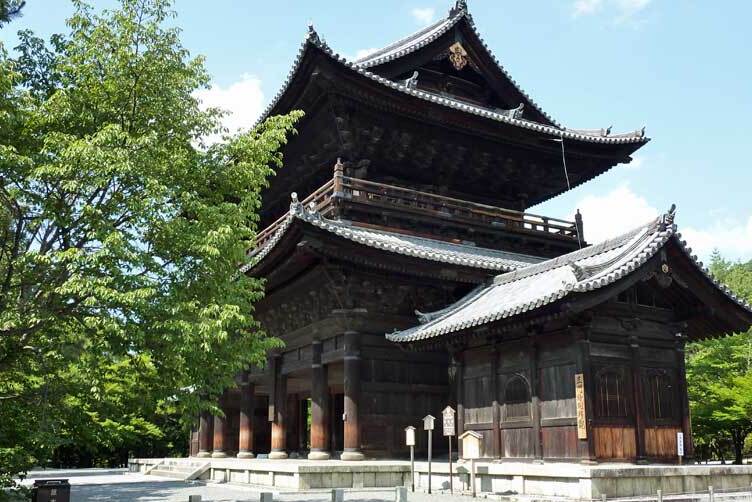

Nestled at the foothills of Kyoto's Higashiyama Mountains, Nanzenji Temple stands as one of Japan's most significant Zen temples, embodying centuries of history, artistry, and spiritual tradition. This sprawling complex, which serves as the head temple of a branch of the Rinzai sect of Japanese Zen Buddhism, is not just a place of worship but a serene sanctuary steeped in culture and art.
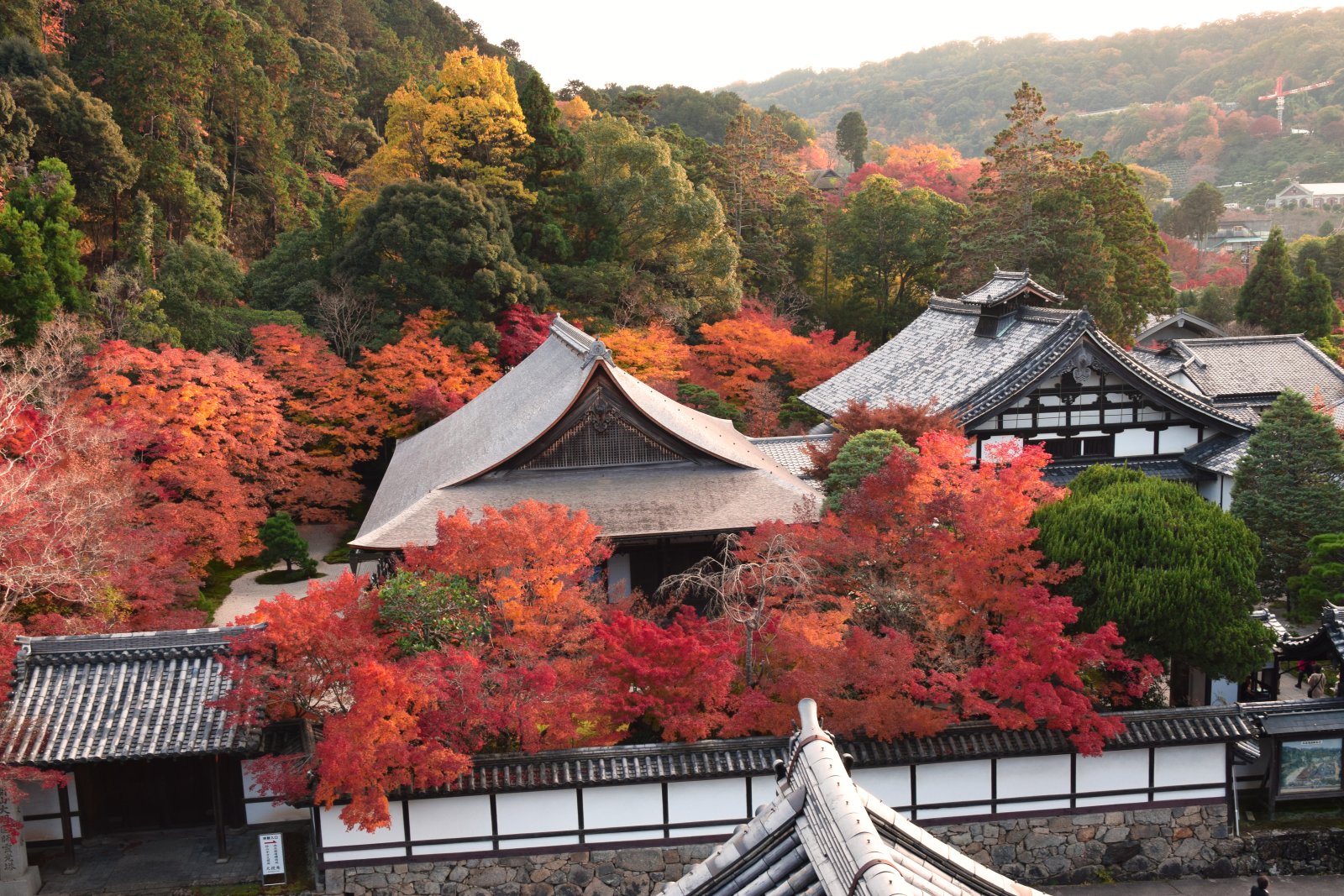
History and Origins The roots of Nanzenji Temple trace back to the mid-13th century, when Emperor Kameyama constructed a retirement villa in this picturesque location. Recognizing the tranquil beauty of the area, he transformed his villa into a Zen temple in 1291, marking the official founding of Nanzenji. The temple flourished in the following years, becoming a center for the Rinzai school of Zen. However, the temple faced significant adversity during the civil wars of the late Muromachi Period (1333-1573), which led to the destruction of many of its original structures. Today, the oldest remaining building, the Sanmon Gate, was constructed in 1628, showcasing the resilience and enduring spirit of this sacred site.
Art and Architecture The architectural style of Nanzenji Temple reflects the unique aesthetic principles of Zen Buddhism. The Sanmon Gate, an imposing three-storey structure adorned with intricate carvings, welcomes visitors with its dignified presence. Beyond the gate lies the Hōjō, or main hall, which features stunning Japanese gardens designed to evoke a sense of peace and contemplation. The temple complex is also home to several subtemples, each displaying distinct architectural styles and artworks, including ink paintings and calligraphy that convey Zen philosophies. The Tenjuan Temple, a subtemple within the Nanzenji grounds, is particularly famed for its exquisite gardens and seasonal beauty, especially during cherry blossom season.
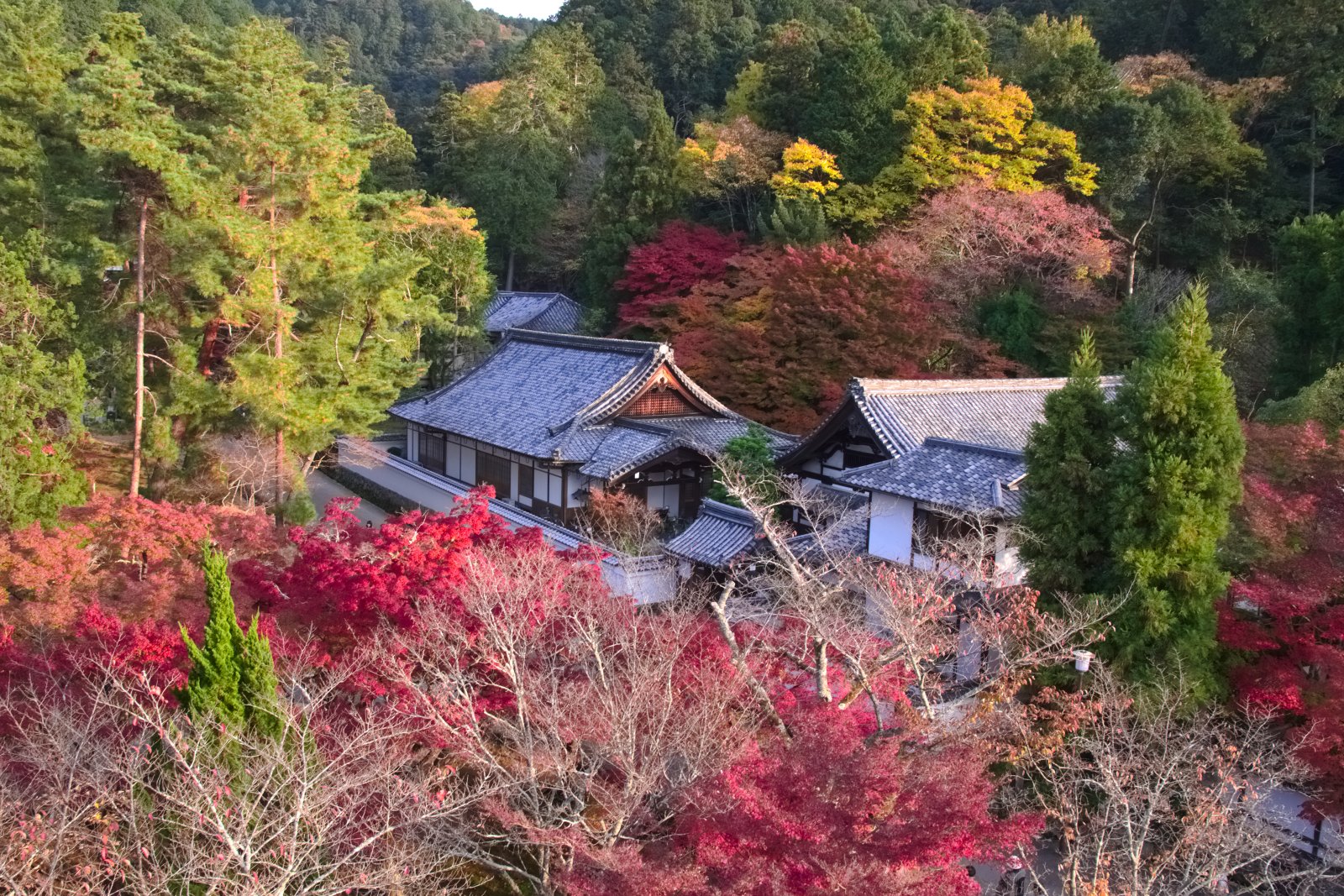
Local Culture and Traditions Visiting Nanzenji Temple offers a glimpse into the spiritual practices and customs of the region. The temple serves as a venue for various Zen meditation retreats, allowing visitors to immerse themselves in the tranquility of the surroundings. One notable tradition is the Nanzenji Tea Ceremony, which highlights the profound connection between Zen Buddhism and the art of tea. Additionally, throughout the year, the temple hosts seasonal festivals, such as Hanami, where locals and tourists alike gather to appreciate the fleeting beauty of cherry blossoms, fostering a sense of community and shared appreciation for nature.
Gastronomy The cuisine surrounding Nanzenji Temple is intrinsically linked to the Zen philosophy of simplicity and mindfulness. Shojin ryori, or Zen Buddhist vegetarian cuisine, is prevalent in the area. This traditional fare emphasizes seasonal ingredients and presentation, turning even the simplest dishes into works of art. Restaurants near the temple serve delicacies such as tofu, grilled vegetables, and miso soup, often accompanied by green tea. For those seeking a sweet treat, yatsuhashi, a local confection made of rice flour, cinnamon, and sugar, can be found at nearby shops, offering a delightful end to a reflective visit.
Lesser-Known Curiosities While many visitors flock to the impressive architecture, some hidden gems within Nanzenji Temple often go unnoticed. For instance, the Nanzenji Aqueduct, a striking brick structure built in the 19th century, was originally part of a water supply system and is beautifully integrated into the temple's landscape. Additionally, the Bamboo Grove located nearby offers a serene escape, where the gentle rustling of leaves provides a perfect backdrop for contemplation. There is also a lesser-known Zen garden tucked away in one of the subtemples, offering a quiet space for meditation amidst meticulously raked gravel and stones, embodying the essence of Zen philosophy.
Practical Visitor Information To fully appreciate the beauty of Nanzenji Temple, the best time to visit is during the spring (March to May) and autumn (September to November) when the surroundings burst with vibrant colors. Early mornings are ideal for a peaceful experience, with fewer crowds and a tranquil atmosphere. Visitors should take the time to explore not only the main structures but also the subtemples and gardens, which can often be overlooked. Be sure to wear comfortable shoes, as the temple grounds are expansive and best explored on foot.
In conclusion, Nanzenji Temple offers more than just a glimpse into Japan's spiritual heritage; it invites you to experience the profound tranquility that Zen Buddhism embodies. For a personalized journey through the wonders of Kyoto, consider using the Secret World app to craft your itinerary.


