
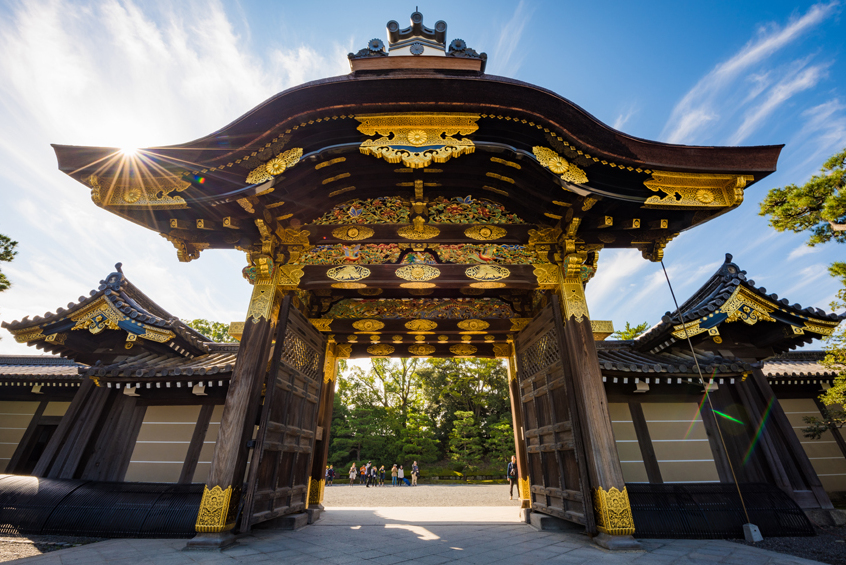

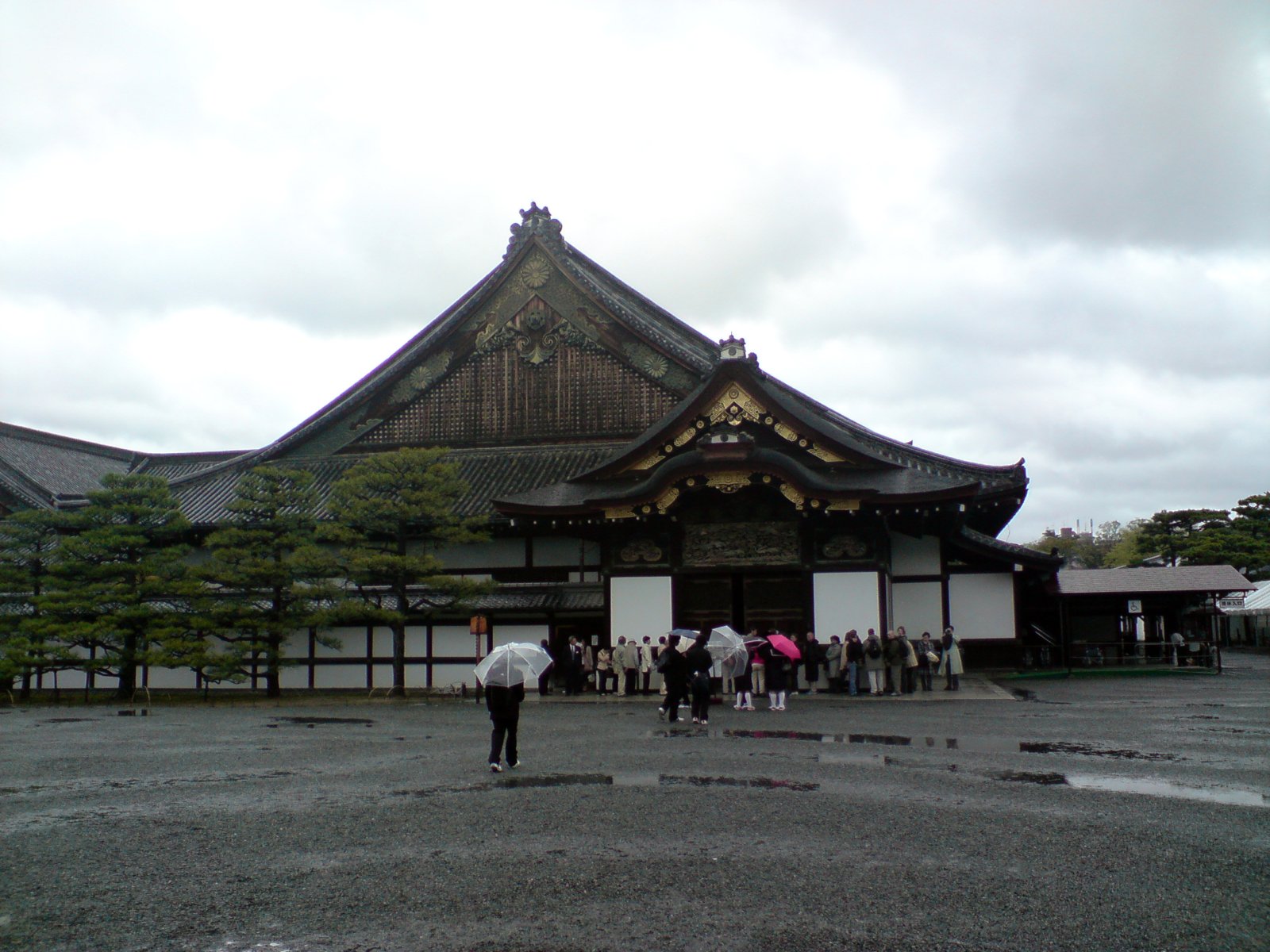
Steeped in history and elegance, Nijo Castle in Kyoto offers a glimpse into Japan's Edo Period and the life of Tokugawa Ieyasu. Constructed in 1603, the castle served as the Kyoto residence for the first shogun of the Tokugawa Shogunate, marking the beginning of an era that would shape Japan's future. Ieyasu's grandson, Tokugawa Iemitsu, completed the castle’s majestic palace buildings in 1626, adding a five-story castle keep that showcased the architectural prowess of the period. The structure became a symbol of power and grace, encapsulating the aesthetics of Japanese feudal architecture with its intricate Nihonmachi (Japanese-style) design and beautiful gardens that blend seamlessly with the surrounding landscape.
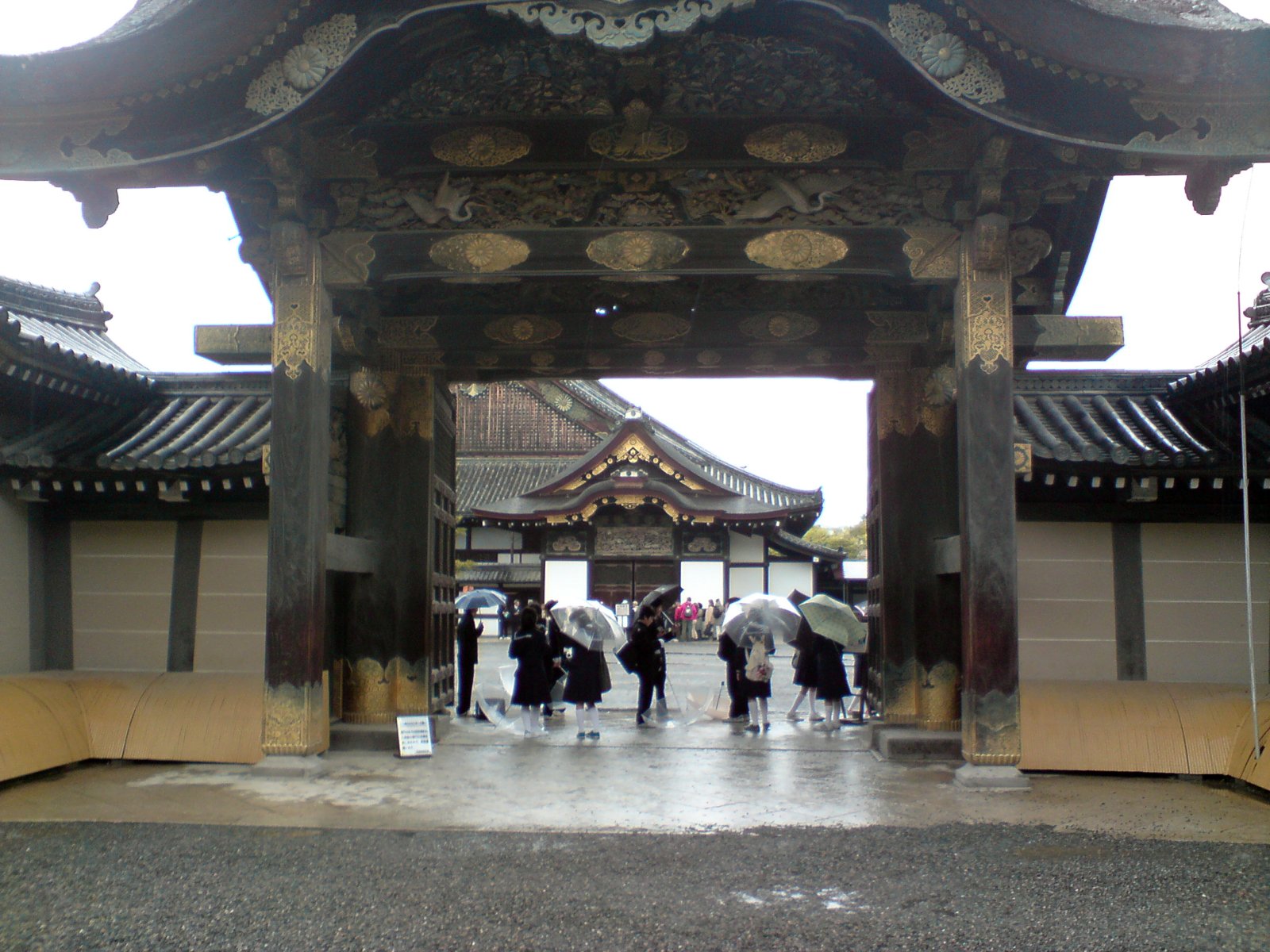
Nijo Castle is not just a feast for the eyes; it is also a treasure trove of artistic significance. The interiors boast magnificent fusuma (sliding door) paintings by the famed Kanō school of artists, depicting scenes of nature, wildlife, and traditional Japanese motifs. These artworks are notable not only for their beauty but also for their role in emphasizing the connection between nature and power, a key theme in Japanese culture. The castle's gardens, with their meticulously arranged stones and serene ponds, reflect the Zen philosophy that permeates Japanese aesthetics.
As you wander through the castle grounds, you may feel the whispers of local culture and traditions echoing through time. The castle was once a stage for cultural ceremonies and diplomatic meetings, contributing to the cultural fabric of Kyoto. Festivals in the nearby areas, such as the Gion Matsuri, celebrate this rich history, inviting locals and visitors alike to partake in the traditions that have been preserved for centuries.
When it comes to gastronomy, Kyoto is famed for its kyo-ryori (Kyoto cuisine), which emphasizes seasonal ingredients and delicate presentation. A visit to Nijo Castle wouldn't be complete without sampling local specialties such as yudofu (tofu hot pot) and nishin soba (soba noodles with herring). Pair your meal with a cup of matcha, the finely ground green tea that has become synonymous with Kyoto's tea culture.
For those intrigued by lesser-known curiosities, Nijo Castle holds a few surprises. The castle is famous for its nightingale floors, designed to chirp underfoot as a security measure against intruders. These floors serve not only a practical purpose but also embody the innovative spirit of Japanese craftsmanship. Additionally, the castle grounds are home to hundreds of cherry blossom trees that bloom in the spring, creating a stunning backdrop that attracts photographers and nature lovers alike.
To make the most of your visit, timing is key. The best time to visit Nijo Castle is during spring (March to May) and autumn (September to November), when the gardens are in full bloom or adorned in vibrant fall colors. Arrive early to enjoy the serene atmosphere before the crowds descend, and don't forget to explore the less-traveled paths to discover hidden corners and viewpoints.
As you navigate through this historical marvel, look for informative plaques and guides that provide context and stories behind the architecture and artworks. Engaging with local guides can also enrich your understanding of the castle's significance in Japanese history.
Nijo Castle is more than just a building; it is a living testament to a pivotal epoch in Japan’s history, offering insights into the culture and traditions that have flourished in Kyoto. To truly appreciate its layers of beauty and significance, consider using the Secret World app to curate a personalized itinerary for your visit to Kyoto-shi.


