
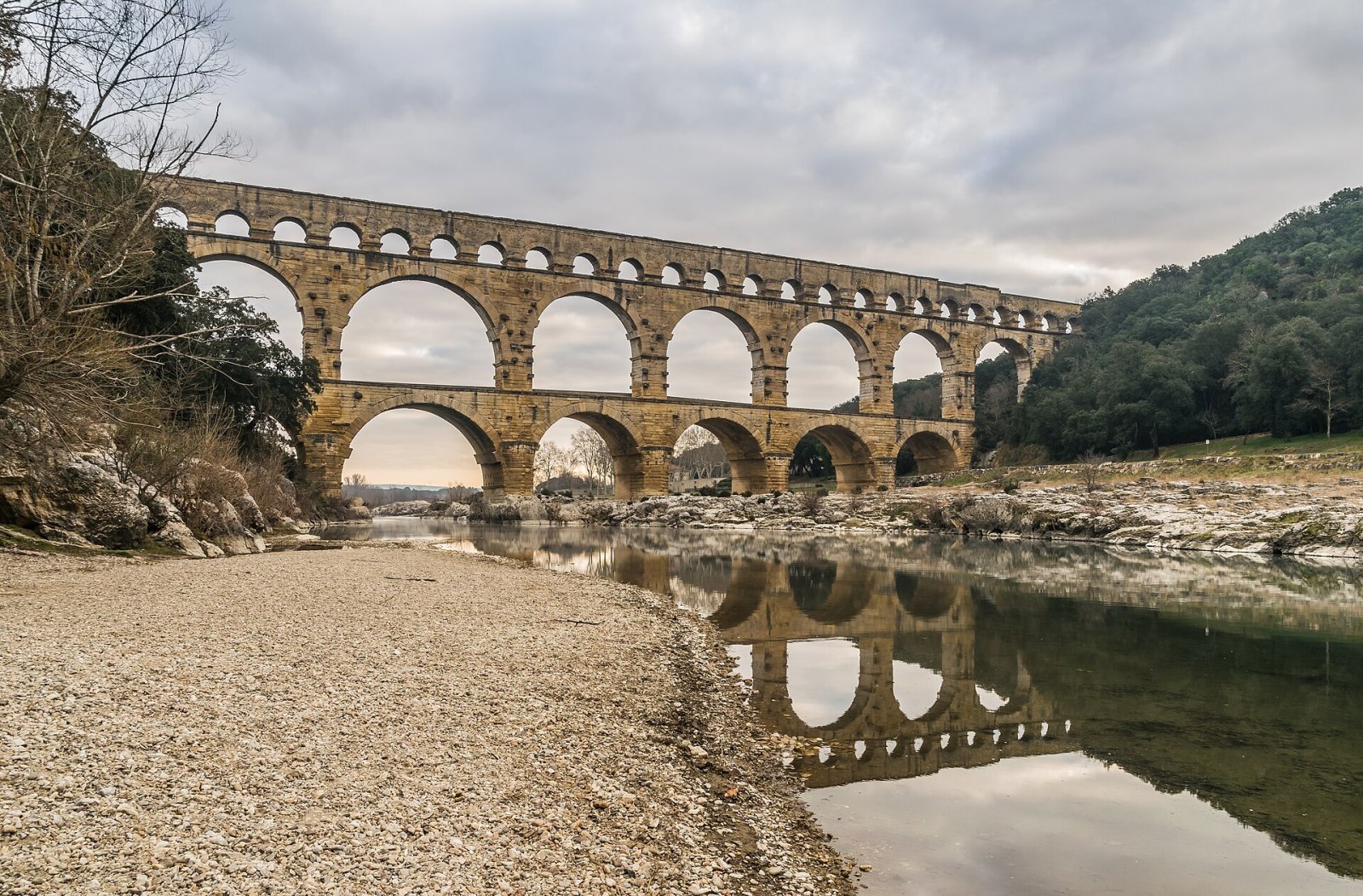

The Pont du Gard, located in Vers-Pont-du-Gard in the Occitanie region of France, is an impressive structure that has its roots in Roman history. This aqueduct, built in the first century A.D., is an extraordinary example of ancient engineering and represents one of the most important historical sites in France. Through its architectural charm and history, the Pont du Gard continues to enchant visitors of all ages, offering a unique glimpse into the life and technologies of the ancient Romans.
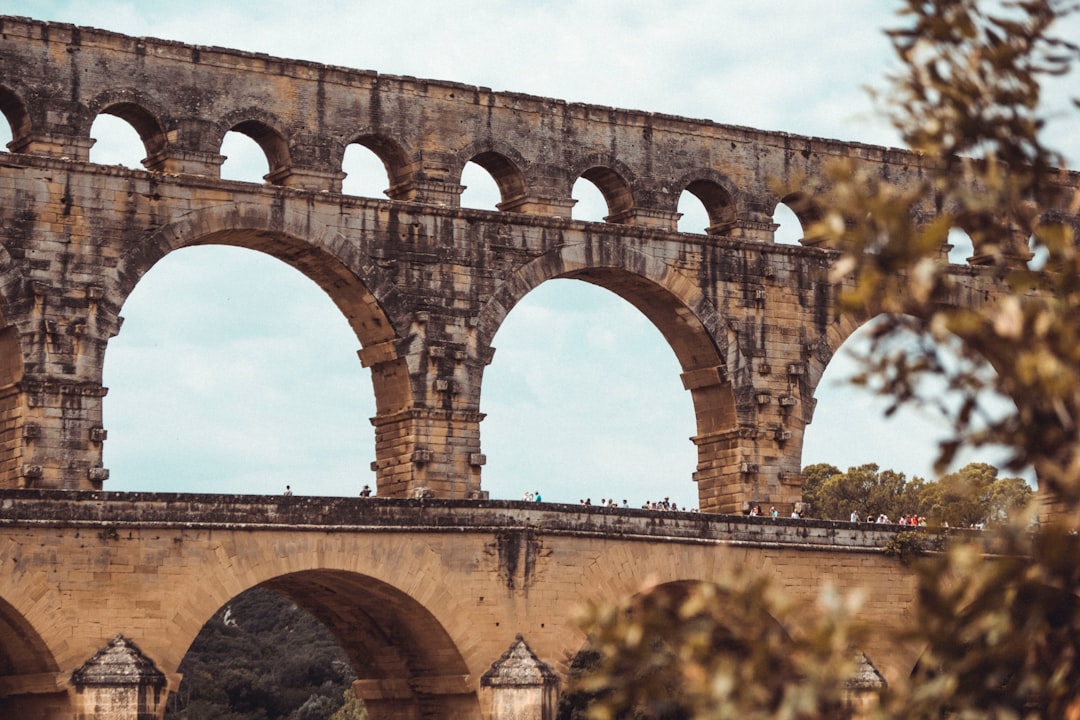
Its privileged location, immersed in nature and just a few kilometers from Nîmes, makes the Pont du Gard not only a place of historical interest but also an ideal destination for hiking and walks. The magnificence of the structure, with its three levels of arches, is an irresistible draw for history and architecture enthusiasts, as well as for those seeking an immersive experience in the natural beauty of the region.
History and Origins
The Pont du Gard was built to serve as an aqueduct, transporting water from a spring located about 50 kilometers away to the city of Nîmes. The engineering work, which rises over 48 meters, is characterized by a design that combines functionality and beauty, reflecting the skill and creativity of Roman architects. The construction of this aqueduct is an example of how advanced Roman engineering was for its time, using techniques that would influence future generations.
Over the centuries, the Pont du Gard has undergone various transformations and restorations, transitioning from an important public infrastructure to a symbol of prestige and power. Today, it is recognized as a UNESCO World Heritage Site, a tribute to its historical and cultural significance. Its preservation allows us to tell the stories of a distant era and to better understand the role that water and infrastructure played in the daily lives of the Romans.
Elements to Observe
When visiting the Pont du Gard, one can immerse themselves in a series of fascinating elements that tell its story. One of the most spectacular features is its architectural design, with majestic arches and a structure that perfectly integrates with the surrounding landscape. Visitors can stroll along the Gardon River, admiring the view of the majestic structure reflected in the water, creating a postcard-like panorama.
Additionally, the site also offers an interactive visitor center, where one can deepen their knowledge of Roman engineering and the history of the aqueduct. Through exhibits and educational activities, the center makes the past accessible to all, allowing exploration of the techniques and challenges faced during the construction of the Pont du Gard. This combination of history and interactivity makes the visit even more engaging.
Why It Is Interesting Today
The Pont du Gard is not just a historical monument, but a place that continues to inspire and fascinate people. Its significance in the context of Roman history and its architectural beauty attract tourists from all over the world, making it one of the most visited attractions in France. Its ability to draw visitors and scholars demonstrates how cultural heritage can live and thrive even in modern times.
In an era where sustainability and heritage conservation are crucial themes, the Pont du Gard represents an example of how art and science can coexist. Its preservation and the ongoing study of Roman construction techniques offer insights into how we can address modern challenges in an innovative and respectful way towards our past.
Practical Information for Visitors
For those wishing to visit the Pont du Gard, it is advisable to plan the visit in advance, especially during the summer months when tourist presence is higher. The site is easily accessible by car and has a parking area. It is possible to explore the bridge and the surrounding trails on foot, enjoying a tranquil atmosphere and breathtaking landscapes.
Furthermore, the visitor center offers a range of activities and guided tours that enrich the experience, providing detailed information about the history and significance of the aqueduct. Don't forget to download the Secret World app to discover more details and tips during your visit.


