
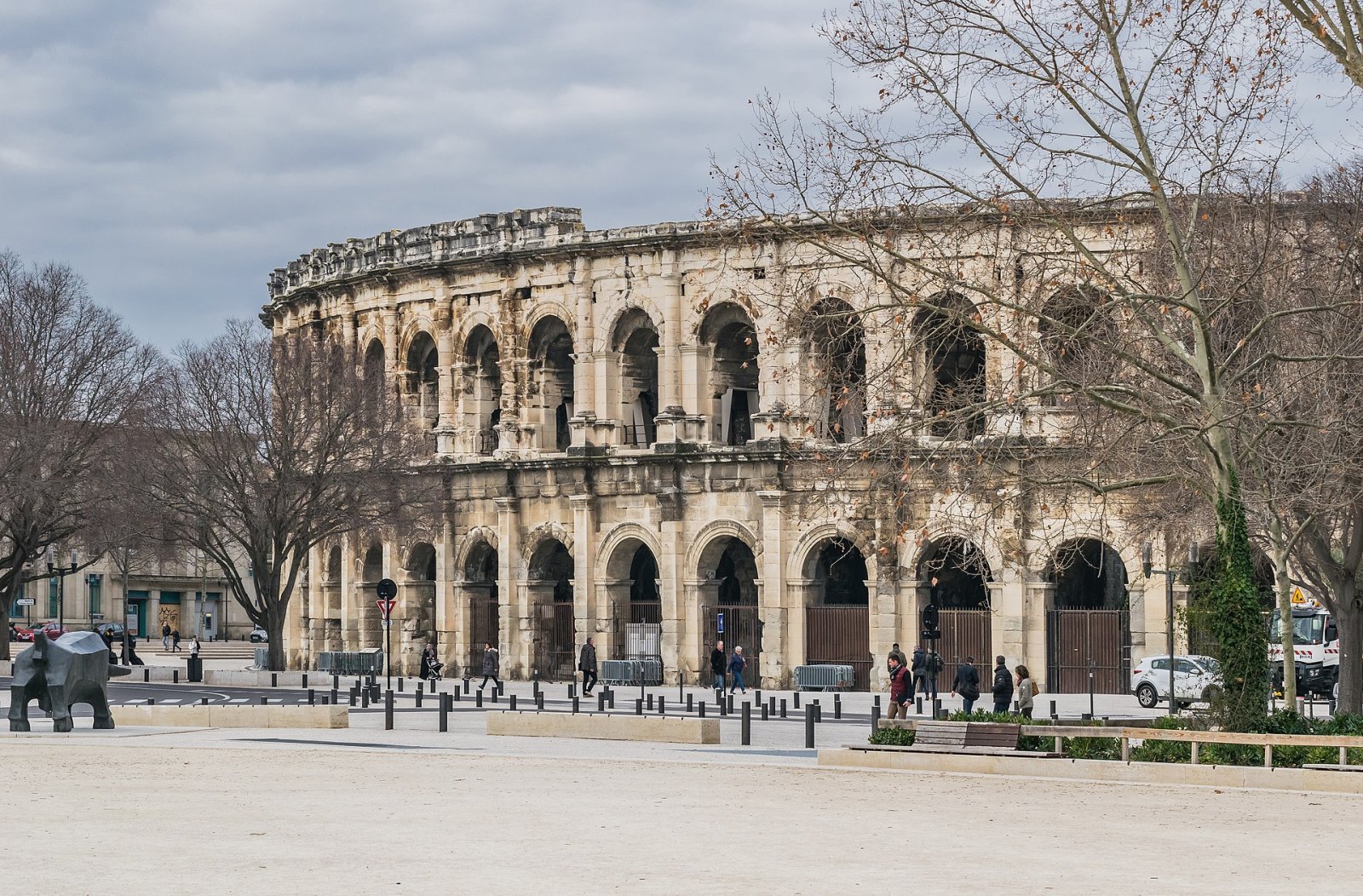

In the heart of the city of Nîmes, in Occitanie, the majestic Arènes de Nîmes stand as one of the most extraordinary examples of Roman architecture that can be admired in France. This amphitheater, built in the 1st century AD, is a silent witness to the greatness of the Roman Empire and its lasting influence on European culture. The Arènes are not only an architectural marvel but also a place that tells stories of gladiators and performances, making every visit an immersion into the past.
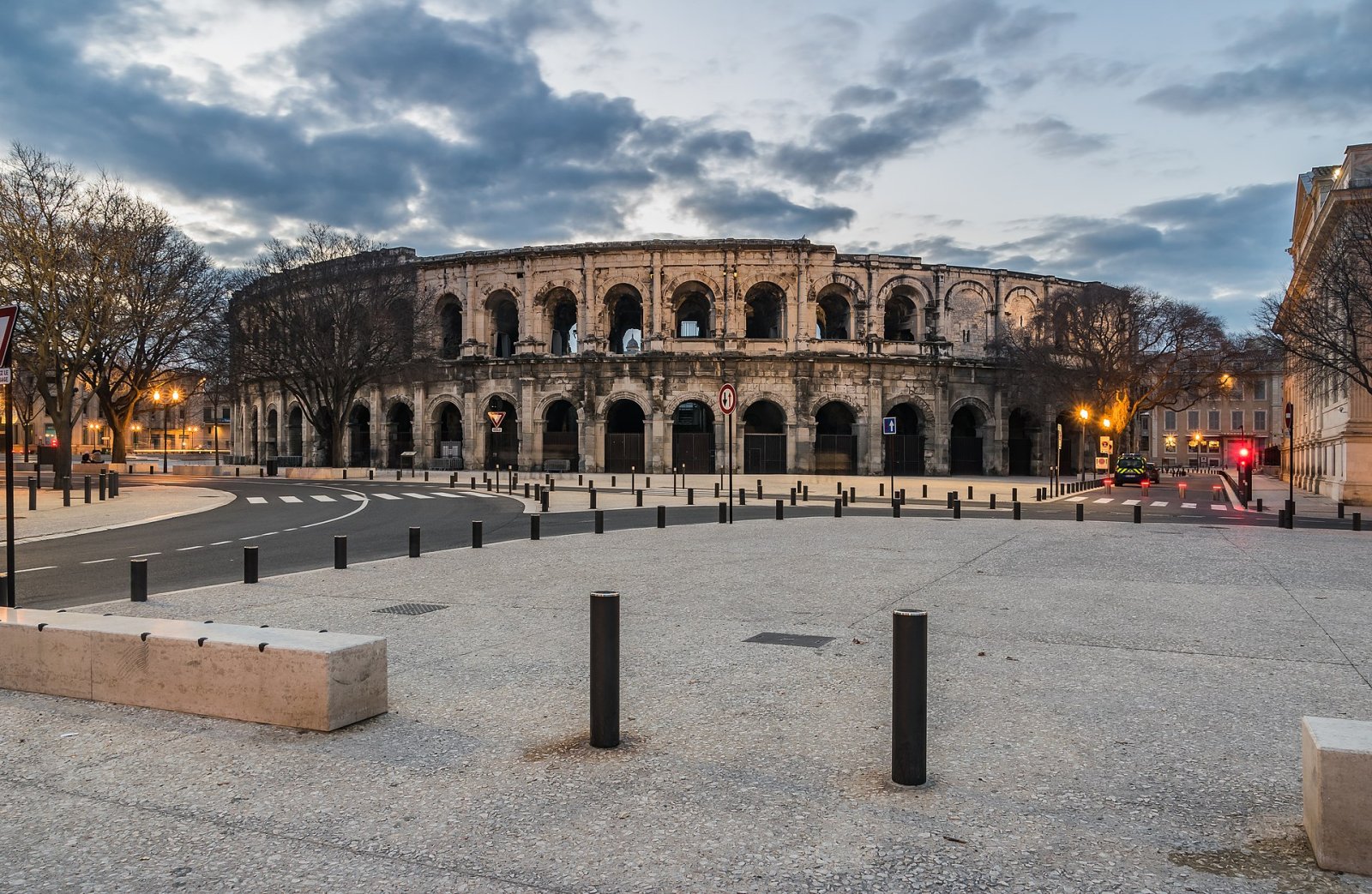
Located just a few steps from the city center, this monument is surrounded by a vibrant atmosphere that blends history and modernity. Nîmes, with its population of about 137,000 inhabitants, provides the perfect context to explore not only the Arènes but also other historical landmarks such as the Temple of Diana and the famous Maison Carrée. The city is a true treasure trove of Roman artifacts, contributing to a unique and fascinating travel experience.
History and Origins

The Arènes de Nîmes were built in the 1st century AD and are considered one of the best-preserved examples of Roman amphitheaters still in existence. This extraordinary building could accommodate up to 24,000 spectators and was used for a variety of events, from gladiatorial combats to theatrical performances. Its design is a clear reflection of the advanced engineering techniques of the time, with a structure that has stood the test of time. Today, the Arènes have been restored and preserved, allowing visitors to immerse themselves in the history of a distant era.
Their historical significance is underscored by the fact that Nîmes was an important Roman center, known for its architecture and cultural traditions. The amphitheater is not only a symbol of the city but also a place that has witnessed the transformation of society over the centuries. Today, the Arènes continue to be a landmark and a gathering place for cultural events and performances, keeping alive the entertainment tradition that dates back to ancient times.


