
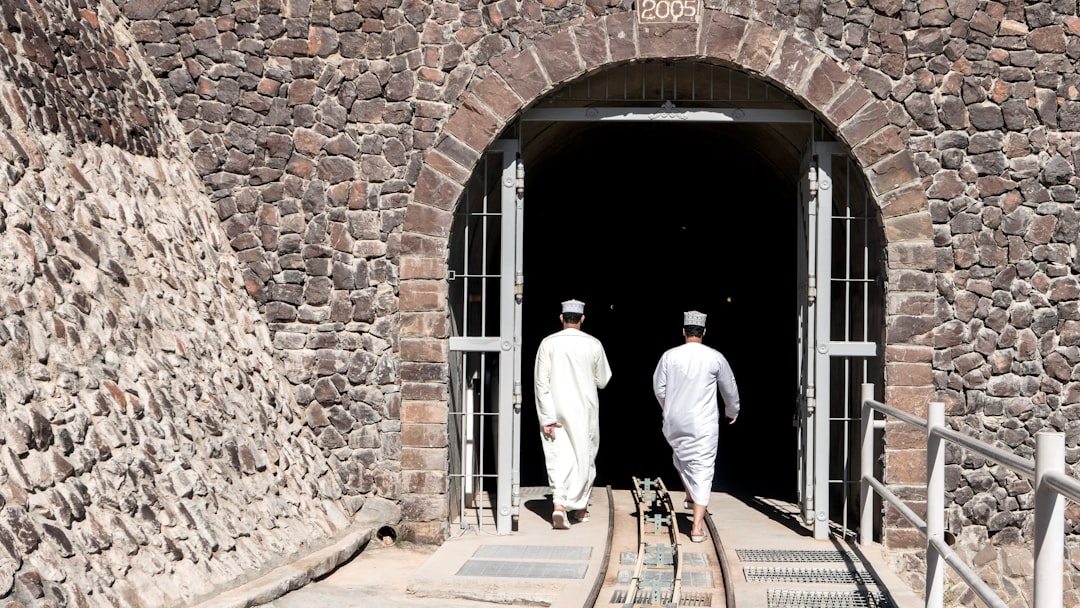

In the heart of Oman, nestled in the imposing Hajar mountain range, lies a hidden gem that attracts the attention of few travelers: the Al Hoota Cave. This extraordinary natural site, discovered only in 2006, offers a unique experience that combines the beauty of nature with fascinating biodiversity. With its limestone formations rising like natural sculptures and its underground lakes, Al Hoota represents a perfect escape from the hustle and bustle of the most frequented tourist spots.
Visiting it means immersing oneself in a world of geological wonders and discovering the life that lurks in the darkness of its depths. The cave, over 5 kilometers long, is a living testament to the natural history of Oman and a refuge for various species of fauna, making it a must-visit place for nature lovers.
A Journey into the Heart of the Earth
The Al Hoota Cave is easily accessible and offers an experience that fascinates with its primordial beauty. As soon as you cross the threshold, you find yourself enveloped in a magical atmosphere, where stalactites and stalagmites blend into a panorama of captivating shapes. With the light playing among the rocks, you can admire the spectacular limestone formations that date back millions of years. Every corner reveals unique details that tell stories of a fascinating geological past.
Many visitors are struck by the feeling of being in another world. The cool, humid air, along with the sound of dripping water, creates a relaxing and contemplative atmosphere. The paths inside the cave are well marked and safe, allowing everyone to explore without difficulty. However, the true magic lies in the details: the presence of underground lakes that reflect the surrounding rock formations, amplifying the sense of wonder.
Biodiversity and Hidden Fauna
Al Hoota is not only a place of geological beauty but also an ecosystem rich in biodiversity. The cave hosts various species of fauna, including bats and crustaceans that have adapted to underground life. These animals, often invisible to the naked eye, play a fundamental role in maintaining the ecological balance of the system. Bats, for example, are indicators of environmental health, and their presence suggests that the cave's ecosystem is in good condition.
Furthermore, the surrounding area is a habitat for many other forms of life, including endemic plants and wildlife. The flora and fauna that can be observed around the cave are a draw for birdwatching enthusiasts and nature lovers. The possibility of spotting rare species makes each visit an extraordinary opportunity to connect with the environment.
An Immersive Experience in Nature
Visiting Al Hoota involves not only a physical exploration but also an immersive experience in nature. Walking among the rock formations and listening to the sound of flowing water creates a deep connection with the surrounding environment. The silence of the cave is interrupted only by the sounds of nature, allowing for reflection and appreciation of the beauty that surrounds us.
The guided tours also offer the opportunity to learn more about the geological history of the cave and its ecological significance. The local guides, knowledgeable and passionate, share their insights and stories, making the experience even richer and more engaging.
Final Reflections
The Al Hoota Cave is one of the lesser-known natural wonders of Oman, but its beauty and biodiversity make it an unforgettable place. For those seeking an authentic experience away from the crowds, Al Hoota offers a refuge of peace and wonder. Each visit is not just a journey into the land, but also a journey within oneself, an opportunity to rediscover the importance of nature and its preservation.
In a fast-paced world, the Al Hoota Cave invites us to stop, breathe, and appreciate the extraordinary beauty of the Earth.


