

1850 is a year that, while not celebrated as a historically significant global event, represents a fascinating period for understanding the social and political dynamics of Myanmar. Located in a region rich in culture and tradition, this year marks a crucial point in the country's history, amidst changes and transitions that would influence the nation's future. Visiting Myanmar today means immersing oneself in a history that has roots in centuries of evolution, and 1850 is one of the pieces of this complex mosaic.
In this article, we will explore the historical origins of this year, the elements to observe that tell the past of Myanmar, and why it remains a topic of interest for scholars and travelers today. With a keen eye, we will discover how 1850 can reveal much more than expected, making the journey through the history of Myanmar an unforgettable experience.
History and Origins
1850 is a common year that begins on a Tuesday according to the Gregorian calendar. This period is significant for Myanmar, which was undergoing evolution in various aspects. Although there are no specific documented events for Myanmar in this year, the global historical context, particularly colonial dynamics, profoundly influenced the country. During the 19th century, Myanmar was under pressure from colonial powers, and its internal development was marked by conflicts and social changes.
During this time, Myanmar was facing the consequences of the Anglo-Burmese wars, which had led to a territorial and political reshuffle. The local population had to manage interactions with colonial powers, leading to a fusion of cultures and practices that would characterize Burmese society. Thus, 1850 represents a year in which the roots of a new national identity began to sprout, albeit in a context of challenges and resistances.
Elements to Observe
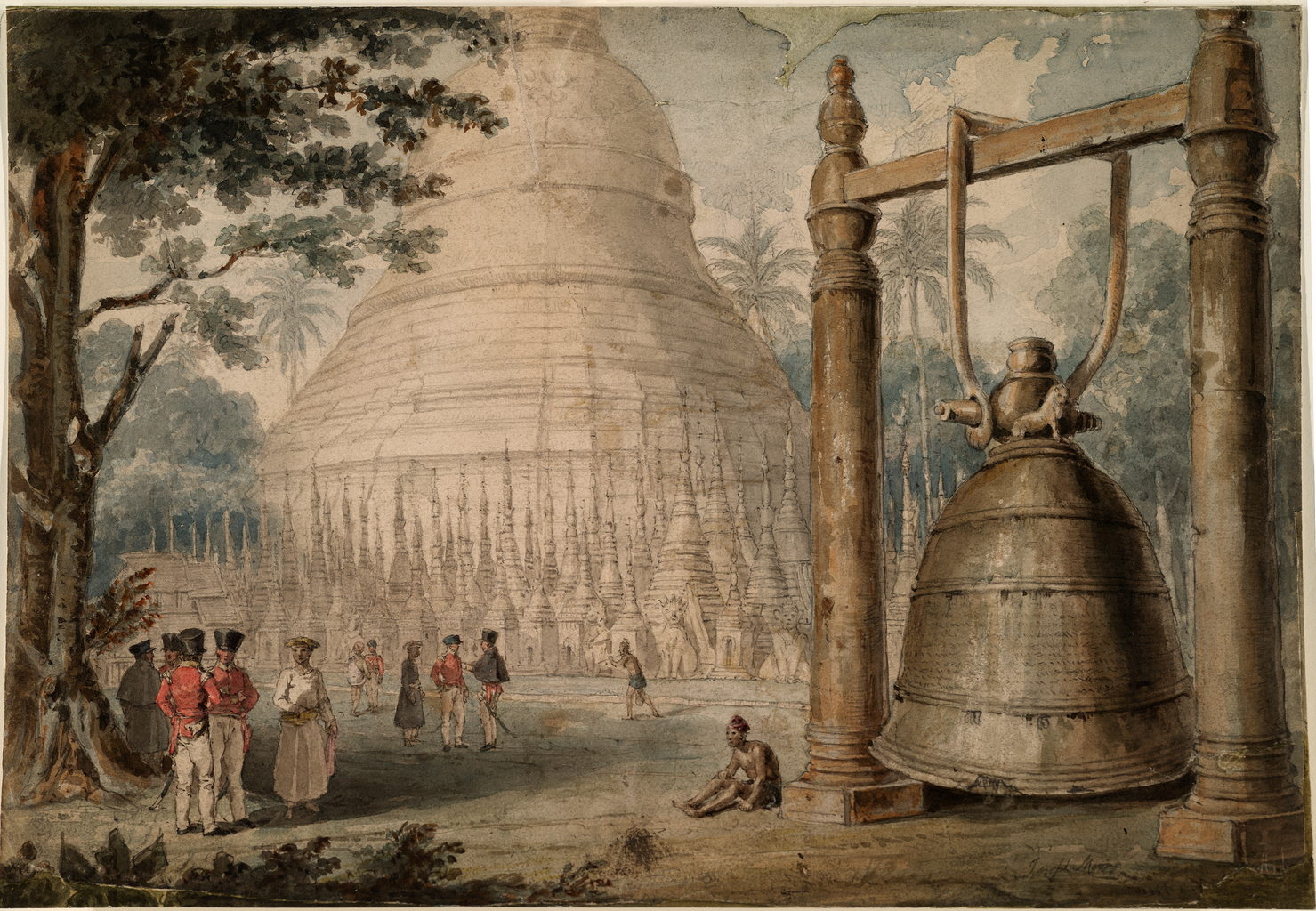
When visiting Myanmar, it is imperative to pay attention to monuments and places that tell the history of the country, including those dating back to the period of 1850. Pagodas, temples, and colonial architectures offer a glimpse into the life and traditions of a bygone era. The Shwedagon Pagoda, for example, is not only a place of worship but also a symbol of cultural resistance, having witnessed centuries of Burmese history unfold before its eyes.
Moreover, artisanal traditions and local practices remain alive and represent a direct link to the past. The art of weaving and pottery, as well as religious practices, are expressions of a cultural heritage that has evolved over time but still retains the essence of what it was in 1850. Observing these elements allows for a better understanding of the challenges and transformations Myanmar has faced over the years.
Why It Is Interesting Today
Today, 1850 is a year of great interest for scholars and history enthusiasts, as it represents a crossroads of events that have influenced the course of Myanmar's history. Understanding the context of this year allows for an appreciation of the complexities of international relations and the internal dynamics of the country, making each visit an opportunity to reflect on how the past continues to shape the present.
In an era where Myanmar is seeking to assert its cultural and political identity, rediscovering 1850 also means giving voice to a history that must not be forgotten. Travelers venturing into this country can find inspiration and connection with a rich and layered history that invites exploration and understanding of the challenges and beauties of a nation in constant evolution.
Practical Information for Visitors
For visitors interested in exploring Myanmar and its history, it is advisable to plan the trip carefully. The best seasons to visit the country are during the cooler months, from November to February, when the weather is more temperate and favorable for excursions. It is important to respect local customs and to inform oneself about places of worship, in order to have an authentic and respectful experience.
Additionally, it is useful to download apps like Secret World, which can provide valuable information about places to visit, cultural events, and local traditions. These tools can enrich the journey, making it not just a tourist experience but also an opportunity for learning and connection with the history of Myanmar.


