
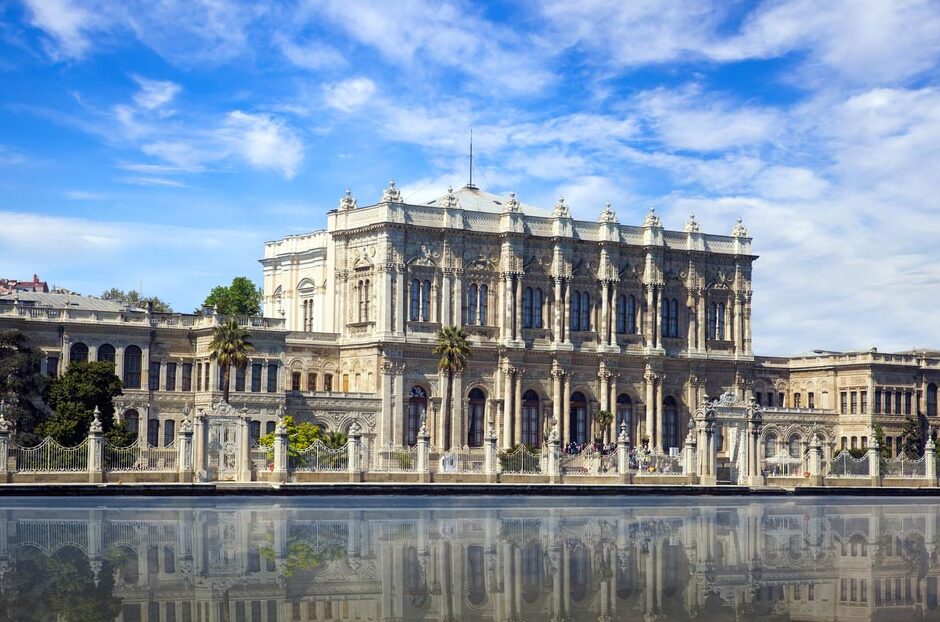

Nestled along the shores of the Bosphorus, Dolmabahce Palace stands as a testament to the opulence of the Ottoman Empire and its fascinating history. Built between 1843 and 1856 under the orders of Sultan Abdulmejid I, this magnificent palace replaced the older Topkapi Palace as the administrative center of the empire. It was here that the last Sultan, Mehmed VI, resided and where the visionary leader Mustafa Kemal Atatürk spent his final days in 1938. The palace not only reflects the grandeur of the Ottoman era but also serves as a symbol of the nation’s transition into modernity.
History and Origins The origins of Dolmabahce Palace are steeped in the rich tapestry of Istanbul’s history. The site, initially a bay, was filled in to create a garden and later transformed into the sprawling palace we see today. The construction was driven by a desire to modernize the empire, and its opening marked a shift in architectural style, moving away from the traditional motifs of Topkapi Palace. The palace hosted pivotal moments in Turkish history, including the signing of the Treaty of Lausanne in 1923, which established the modern Republic of Turkey.
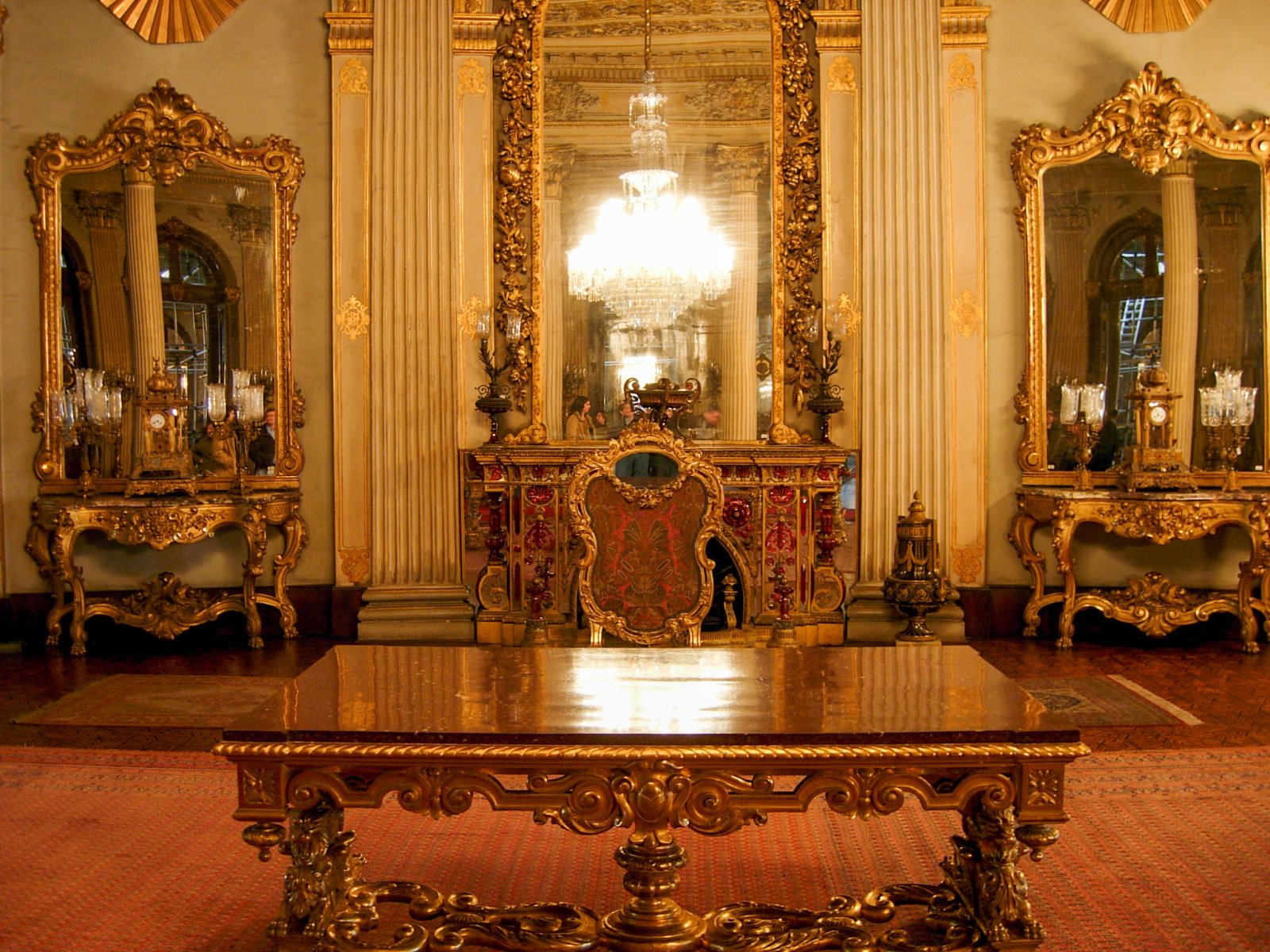
Art and Architecture A stunning example of eclectic architecture, Dolmabahce Palace harmoniously blends Baroque, Rococo, and Neoclassical styles with traditional Ottoman elements. The palace's façade boasts a magnificent combination of white marble and intricate stonework, while its interiors are adorned with crystal chandeliers, lavish carpets, and exquisite frescoes. One of the most notable features is the grand Ceremonial Hall, which houses the world’s largest bohemian crystal chandelier, gifted by Queen Victoria of the United Kingdom. The palace’s artistic significance is amplified by the presence of numerous oil paintings and European artworks, showcasing the cultural exchange between East and West during the empire’s zenith.
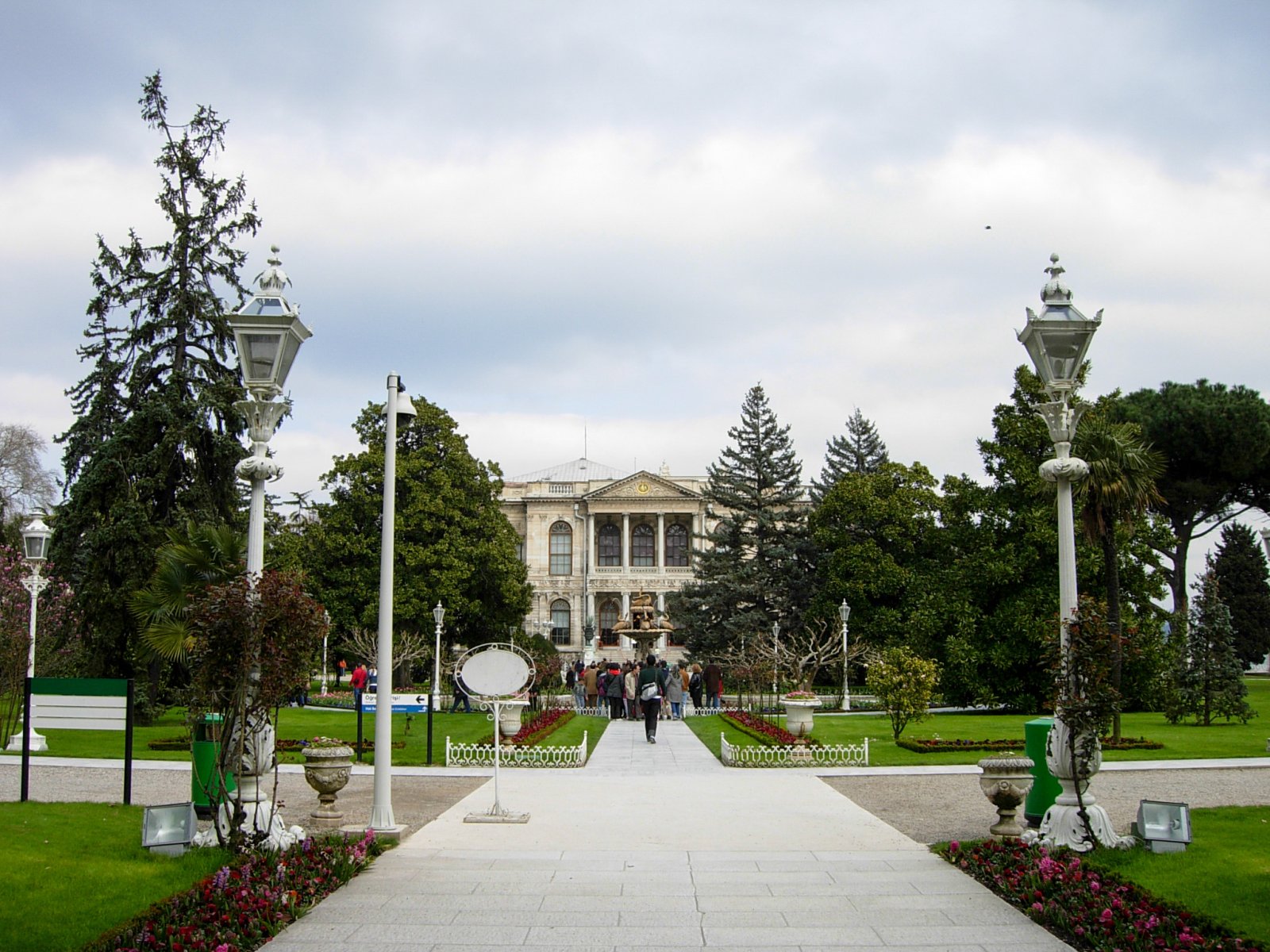
Local Culture and Traditions Dolmabahce Palace remains a cultural cornerstone in Istanbul, reflecting the rich traditions of the Ottoman Empire. The palace gardens, designed in the style of French formal gardens, are a vibrant part of local life, often hosting cultural events and festivals. Visitors can witness locals enjoying picnics, while traditional music and dance performances occasionally grace the grounds, providing a glimpse into the vibrant culture that flourishes in the shadow of this historical monument.
Gastronomy While visiting Dolmabahce, indulging in local delicacies enhances the experience. The nearby Besiktas district is renowned for its bustling markets and eateries. Don’t miss the chance to try pide (Turkish pizza), kebabs, and the sweet delight of baklava. Pair your meal with a glass of Turkish tea or çay, which is an essential part of Turkish hospitality. For a unique treat, seek out simit, a sesame-covered bread ring, often enjoyed by locals as a light snack while exploring the area.
Lesser-known Curiosities Dolmabahce Palace holds countless secrets waiting to be uncovered. For instance, it is said that the palace is haunted by the ghost of Sultan Abdulaziz, who met a mysterious end in 1876. Additionally, the palace features a clock tower, designed with intricate details, that is a nod to the influence of European styles. Many visitors also overlook the harem section, which provides insight into the private lives of the sultans and their families, showcasing a different side of Ottoman life.
Practical Visitor Information The ideal time to visit Dolmabahce Palace is during the spring and autumn months when the weather is mild, and the gardens are in full bloom. It’s advisable to purchase tickets online in advance to avoid long queues. As you explore, be sure to look for the ornate details in the architecture, the rich history encapsulated in each room, and the stunning views of the Bosphorus from the palace's terraces. Guided tours are available, providing deeper insights into the stories behind the palace’s construction and its historical significance.
In essence, a visit to Dolmabahce Palace is not just a stroll through a magnificent structure; it is an immersion into the heart of Turkey’s past and present. To make the most of your journey, consider using the Secret World app to create a personalized itinerary that uncovers the hidden gems of this historical marvel.


