
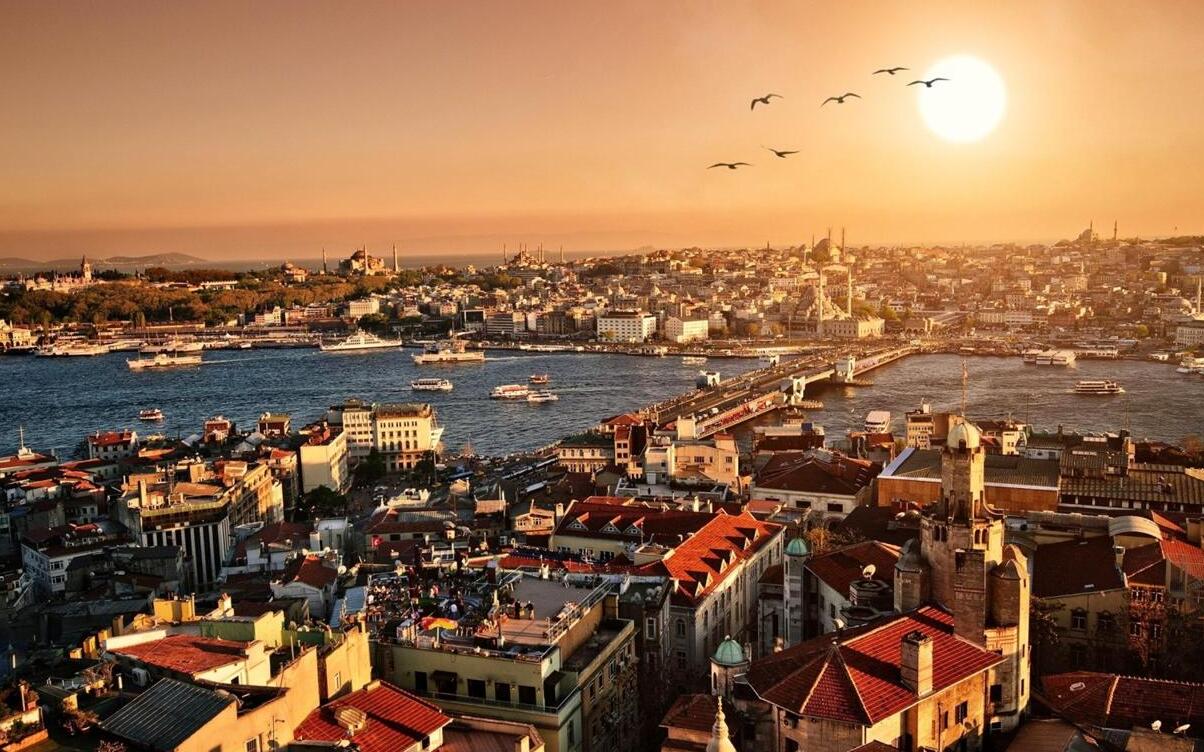

Istanbul, a city where continents converge, is a living testament to the ebb and flow of empires and cultures. Once known as Byzantium and later Constantinople, this city has been a pivotal hub in human history, offering a rich tapestry of stories woven through millennia.
The origins of Istanbul trace back to around 660 BCE when Greek settlers from Megara founded Byzantium. Its strategic location attracted the attention of many, including the Roman Emperor Constantine the Great, who, in 330 CE, established it as the capital of the Roman Empire, renaming it Constantinople. This marked the beginning of a golden era, where the city served as the jewel of the Byzantine Empire for over a millennium. The city's capture by the Ottoman Turks in 1453 under Sultan Mehmed II was a pivotal event that not only altered the geopolitical landscape but also sparked the Renaissance in Europe, as scholars fled west with ancient texts.
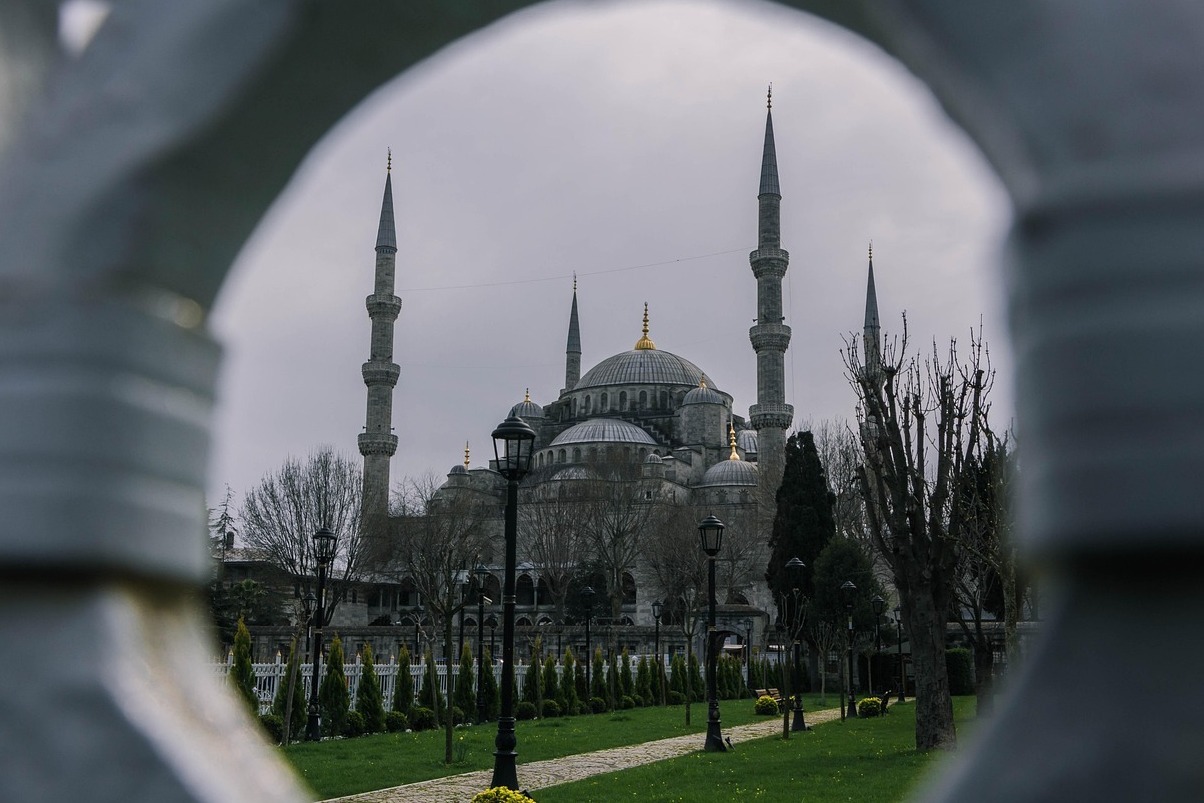
The art and architecture of Istanbul are a testament to its layered history. The Hagia Sophia, initially a basilica built under Emperor Justinian I in 537, showcases the zenith of Byzantine architecture. Its enormous dome, once the world's largest, remains an engineering marvel. Nearby, the Blue Mosque, completed in 1616, stands as a masterpiece of Ottoman design, renowned for its six minarets and intricate Iznik tiles. Each of these structures is not just a building but a narrative of Istanbul’s artistic evolution, blending Christian and Islamic motifs in a unique harmony.

Local culture in Istanbul is as diverse as its history. The city is a vibrant mosaic of traditions and customs, with festivals like Ramadan and Kurban Bayramı prominently celebrated. The Whirling Dervishes, or Sufi mystics, offer a captivating glimpse into the spiritual practices that have long been part of the city's cultural fabric. Their mesmerizing dance, the Sema, is not just a performance but a spiritual journey, symbolizing the soul's ascent to the divine.
When it comes to gastronomy, Istanbul offers a delectable array of flavors. The city’s cuisine is a confluence of Ottoman, Middle Eastern, and Balkan influences. Meze, a selection of small dishes, is a quintessential part of the dining experience, often enjoyed with rakı, an anise-flavored spirit. Dishes like kebabs, dolma (stuffed vine leaves), and the sweet, flaky baklava are staples. The bustling Grand Bazaar and Spice Bazaar are treasure troves for those eager to explore local ingredients and flavors.
Beyond the well-trodden paths, Istanbul harbors lesser-known curiosities that intrigue the curious traveler. Beneath the city lies the Basilica Cistern, an ancient underground water reservoir supported by 336 marble columns, some repurposed from older structures, including a column with a Medusa head base. On the streets, the tradition of tulip cultivation, which once symbolized the extravagance of the Ottoman Empire, continues to color the city each spring in a vibrant display, a nod to the city's nickname, "the City of Tulips."
For those planning to visit, the best time to explore Istanbul is during the spring (April to May) or autumn (September to November) when the weather is pleasant and the tourist crowds are thinner. Navigating the city’s labyrinthine streets can be daunting, so investing in a local guidebook or using a reliable navigation app is recommended. While in the city, take note of the call to prayer resonating from mosques, a powerful reminder of Istanbul’s spiritual heartbeat.
In Istanbul, every corner, every stone tells a story. It’s a place where the past is always present, inviting you to delve into its history, savor its flavors, and experience the vibrant pulse of a city that has continually reinvented itself, yet remains timeless.


