
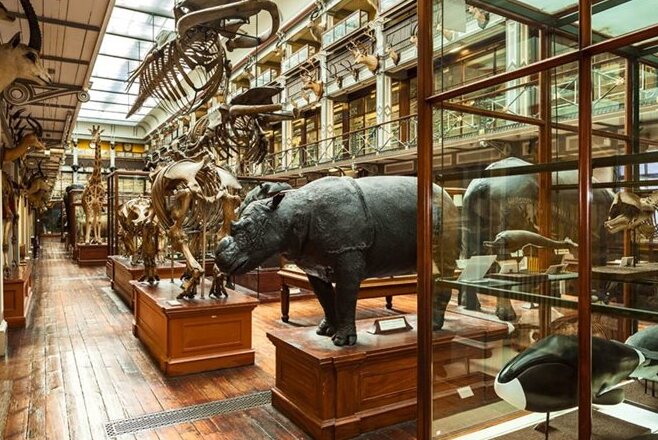

{ "title": "Dead Zoo: Exploring Ireland's Natural History Museum in Dublin", "description": "Step into the enchanting world of the Natural History Museum of Ireland, affectionately known as the Dead Zoo. Nestled in the heart of Dublin, this gem has captivated both locals and visitors alike since its doors first opened in 1856. The museum showcases a stunning collection of taxidermied animals, skeletons, and fossils, providing a window into the rich tapestry of life on Earth.\n\n### History and Origins\nThe roots of the Natural History Museum can be traced back to the early 19th century when the Irish Parliament recognized the need for a national collection. The museum was officially established in 1856 as part of the Royal Dublin Society, aiming to educate the public about natural history. It has survived numerous historical events, including the tumultuous years of the Irish War of Independence and the subsequent Civil War, remaining a steadfast symbol of Ireland's dedication to science and education.\n\nThroughout its history, the Dead Zoo has been a repository of knowledge, with notable figures like Sir Hans Sloane contributing to its initial collections. The museum's name, a whimsical nod to its exhibits, reflects the blend of fascination and reverence that surrounds the study of extinct species.\n\n### Art and Architecture\nThe museum itself is a work of art, designed in the Victorian architectural style that infuses character into its structure. The elegant façade features intricate stonework, while the interior is adorned with high ceilings and grand galleries. Visitors are greeted by an impressive central hall, where a massive blue whale skeleton hangs suspended above, a breathtaking sight that sets the tone for the explorations ahead.\n\nAmong the architectural highlights are the Zoology Gallery, filled with taxidermy specimens from around the world, and the Geology Gallery, showcasing Ireland's geological history. The museum's layout and design evoke a sense of nostalgia, as little has changed since its inception, giving it the endearing moniker of a " , " a living relic of the past.\n\n### Local Culture and Traditions\nThe Natural History Museum is not just a treasure trove of exhibits; it is also a vital part of Dublin's cultural fabric. Locals often visit the museum as a rite of passage, sharing stories of their childhood experiences wandering the halls. The museum hosts various educational programs and workshops, fostering a love for science and nature among younger generations.\n\nDublin itself is rich in traditions and festivals, with events like Culture Night and Dublin City of Science celebrating the arts and sciences. The museum often participates in these festivities, offering special exhibitions and activities that engage the community.\n\n### Gastronomy\nWhile the Dead Zoo may not offer dining options within its walls, Dublin is home to a vibrant food scene that reflects its rich cultural heritage. Just a short stroll away, you can indulge in traditional Irish dishes such as Irish stew, boxty, and coddle. To complement your meal, don’t miss sampling a pint of the world-renowned Guinness, brewed just a stone's throw from the museum.\n\nIf you’re looking for something sweet, visit a nearby café for a slice of Barmbrack, a traditional Irish fruitcake, often enjoyed with a cup of tea. This culinary connection to local tradition makes the experience of visiting the museum even more memorable.\n\n### Lesser-Known Curiosities\nBeyond its famous exhibits, the Dead Zoo holds many hidden gems. Did you know that the museum houses a collection of over 10,000 specimens? Among them are rare finds like the skeleton of an Irish giant deer, which roamed the island thousands of years ago. \n\nOne particularly captivating story is that of the Mammoth, whose remains were discovered in County Kerry. The museum's collection includes this ancient animal, providing insight into the prehistoric giants that once walked Ireland.\n\nAdditionally, the museum's ambiance is often described as a time capsule, where the old-world charm invites contemplation and curiosity. Many visitors report a sense of wonder as they traverse the exhibits, often feeling as if they have stepped back in time.\n\n### Practical Visitor Information\nThe Natural History Museum is conveniently located in Dublin, making it easily accessible to both locals and tourists. The best time to visit is typically during weekdays when it tends to be less crowded, allowing for a more intimate experience with the exhibits. \n\nBe sure to check the museum's website for any special events or exhibitions that may be taking place during your visit. Though only the first two floors are open to the public, the displays are extensive and engaging, ensuring a worthwhile experience.\n\n### Conclusion\nVisiting the Dead Zoo is more than just a trip to a museum; it’s an exploration of Ireland’s natural heritage and a journey through time. As you wander the halls filled with fascinating specimens, you will uncover the stories of life that have shaped our world.\n\nTo make the most of your visit to Dublin and its hidden treasures, consider using the Secret World app to create a personalized itinerary that suits your interests."


