

1810, a year that marks a significant phase in the history of Myanmar, is a moment of transition and change. Located in a region rich in culture and traditions, Myanmar offers visitors a unique opportunity to explore its historical roots and understand the dynamics that have shaped the nation over the centuries. This article aims to guide you through the wonders of this period, highlighting the historical and cultural importance of a year that, although distant in time, continues to influence the contemporary life of the country.
1810 is a calendar year that begins and ends on a Monday, a detail that, while seemingly insignificant, refers to a temporal structure that has impacted daily practices and celebrations in Myanmar. The traditions and events of this year have contributed to shaping the collective consciousness of a people who have lived through epochs of great turmoil and transformation.
History and Origins
In the context of 1810, Myanmar was in a phase of interaction with European colonial powers, which were beginning to exert increasing influence over the region. The history of Myanmar is characterized by a series of dynasties that have succeeded one another over time, and this period is no exception. The interactions between the Burmese kingdoms and colonial powers led to cultural and commercial exchanges that enriched the history of the country.
The origins of many Burmese traditions can be traced back to this period, where external influences mingled with local practices. Art, architecture, and religion saw significant evolutions, with Buddhism continuing to play a central role in the daily life of the population. The stories of resistance and adaptation that emerge from this period are fundamental to understanding the resilience of the Burmese people.
Elements to Observe
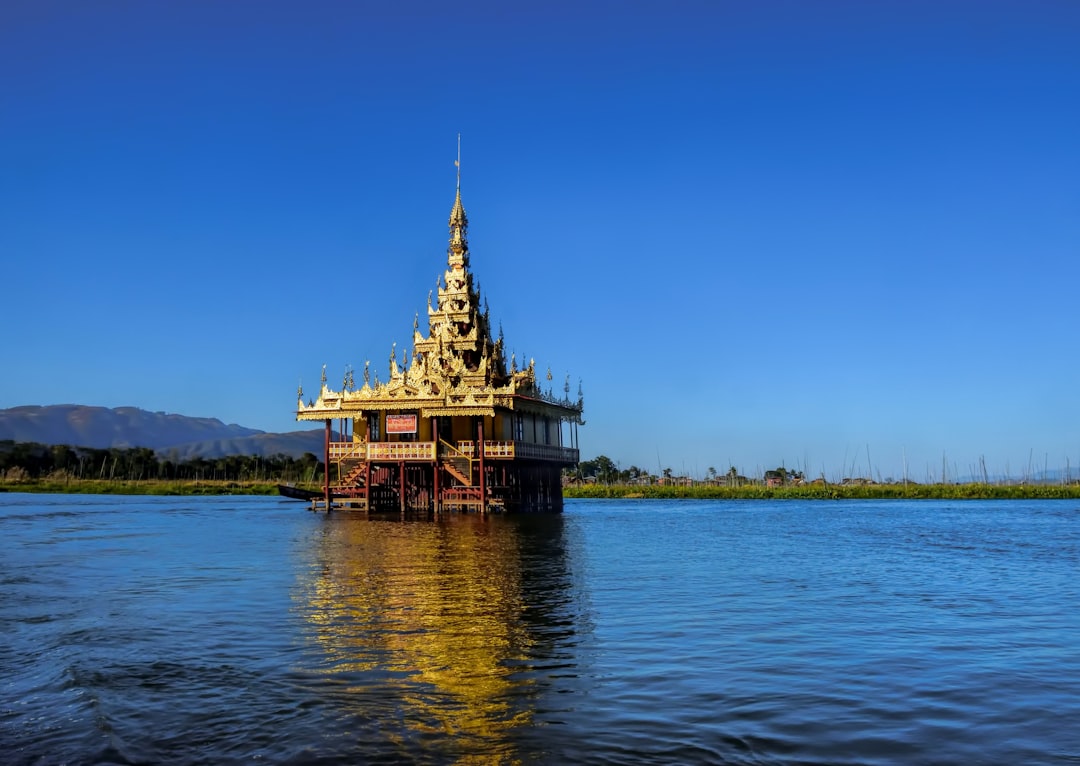
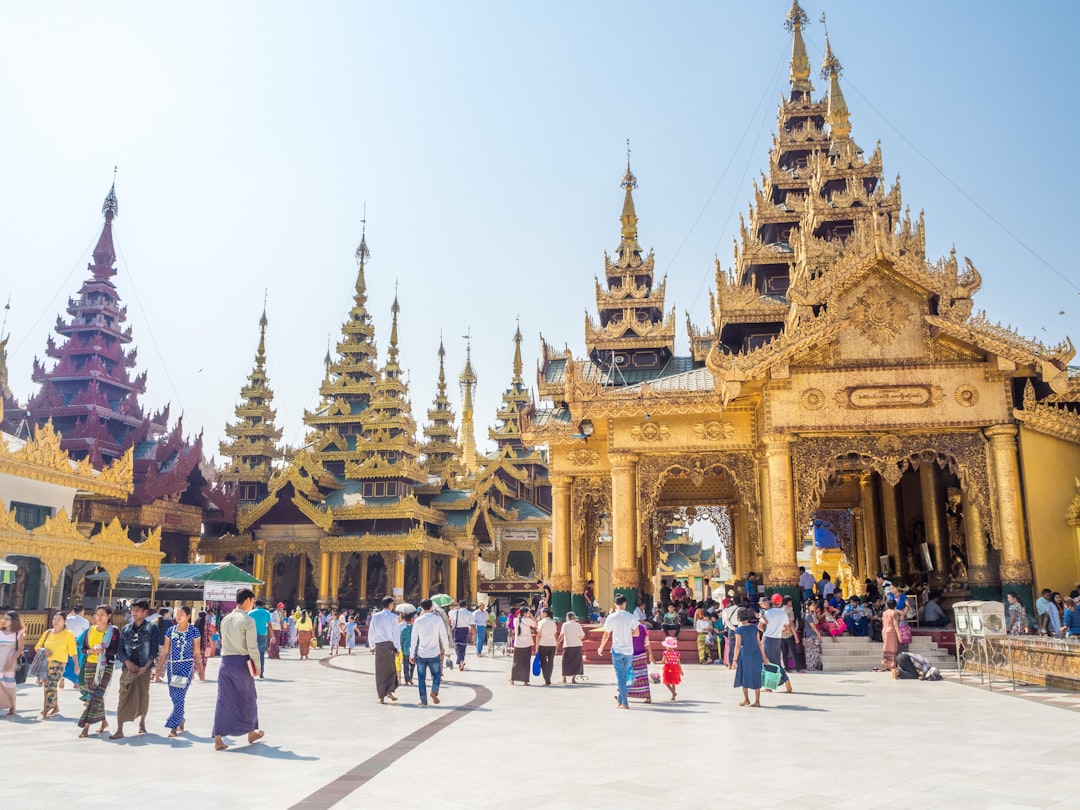
When visiting Myanmar, it is possible to observe various elements that date back to this period, although they may not always be immediately visible. The traditional architectures, temples, and monuments that dot the landscape tell stories of an era when the country was at the center of important trade routes. The beauty of the Buddhist temples, with their intricate decorations, is a constant reminder of the spirituality that permeates Burmese culture.
Moreover, local art and craftsmanship reflect the historical influences of this period. Visitors can admire textiles, ceramics, and sculptures that carry the history of a people who have managed to blend tradition and innovation. These elements not only beautify the landscape but also offer a glimpse into the daily life and beliefs that defined an era.
Why It Is Interesting Today
Today, 1810 represents a benchmark for understanding contemporary Myanmar. The historical challenges faced by the nation have forged a unique cultural identity that continues to evolve. The resilience of the Burmese people, evidenced through their traditions and art, is a fascinating aspect to explore for travelers wishing to immerse themselves in the local culture.
In an increasingly globalized world, Myanmar presents itself as a place where traces of the past coexist with modern aspirations. Interest in the country's historical heritage is growing, and visitors are drawn to the possibility of discovering a culture that, while influenced from the outside, has maintained a strong identity. Exploring 1810 thus offers not only a window into history but also an opportunity to reflect on the future of Myanmar.
Practical Information for the Visitor
Planning a visit to Myanmar requires attention and preparation. It is advisable to inform oneself about local traditions and respect cultural customs, especially when visiting sacred places. Communication with the local population, which is generally welcoming, can enrich the travel experience and provide a deeper understanding of the historical and cultural context.
Finally, for those who wish to further deepen their experience, the Secret World app can prove to be a useful tool for exploring the wonders of Myanmar and discovering the details that make each place unique. With a respectful and curious approach, every visitor can become part of the story that continues to live in this fascinating country.


