


In the heart of Paris, where art and science intertwine, stands a place of extraordinary historical and scientific importance: the Paris Observatory. Founded in 1667, this monument is not just a building, but a symbol of astronomical research and human innovation. With its historic telescopes and lush gardens, the observatory is a refuge for scholars and astronomy enthusiasts, offering a unique glimpse into the cosmos.

Visiting the Paris Observatory immerses you in an atmosphere of discovery and wonder. Every corner tells stories of pioneering scientists who, through their studies, have forever changed our understanding of the universe. The architectural beauty of the building, combined with its scientific significance, makes this place a must-visit for anyone wishing to explore the connection between humanity and the stars.
A Journey Through Time: History of the Observatory

The Paris Observatory was designed by Giovanni Domenico Cassini, an Italian astronomer who played a crucial role in the development of modern astronomy. Inaugurated in 1671, the observatory has witnessed the passage of centuries, bearing witness to the progress of science and the challenges of history. During the 18th century, astronomers here made fundamental measurements for the determination of longitude and traced the orbits of asteroids and comets.
Over time, the observatory has hosted numerous world-renowned astronomers, including Pierre-Simon Laplace and Joseph-Louis Lagrange, whose contributions to celestial mechanics are still studied today. Every corner of the building is imbued with a story of discovery, and walking beneath its arches, one can almost hear the passionate conversations among the great thinkers of the past.

A Scientific Heritage: Instruments and Research
The Paris Observatory is not just a place of contemplation, but also a vibrant center of research. Historical telescopes, such as the great meridian telescope, have been used to observe the sky and collect valuable data. Today, modern instruments accompany historical ones, allowing researchers to continue exploring the universe with cutting-edge techniques.

The research conducted at the observatory extends to many fields, from planetary science to astrophysics, contributing to improving our understanding of the solar system and beyond. Visitors can attend lectures, meetings, and public observations, transforming the observatory into a place where science becomes accessible and stimulating for everyone.
Architecture and Gardens: An Oasis of Beauty
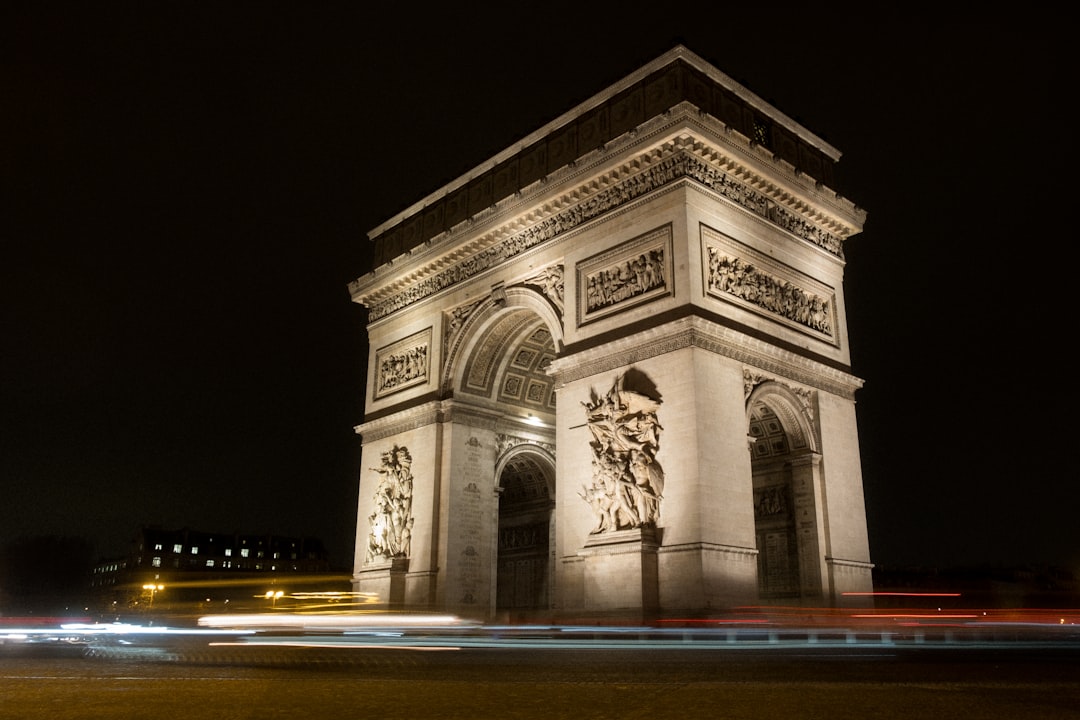
The architecture of the Paris Observatory is a wonderful example of how science and aesthetics can coexist. The neoclassical facades, the sparkling domes, and the well-kept gardens create an atmosphere of serenity and inspiration. The gardens of the observatory, designed for relaxation and contemplation, are an ideal place to reflect on the wonders of the sky.
Walking along the paths, one can admire a wide range of plants and flowers, which offer a fascinating contrast to the high technology of the telescopes. On beautiful days, visitors can sit and gaze at the sky, enjoying the tranquility of this corner of Paris. It is an experience that invites reflection and wonder, a moment of pause in an often hectic world.


