
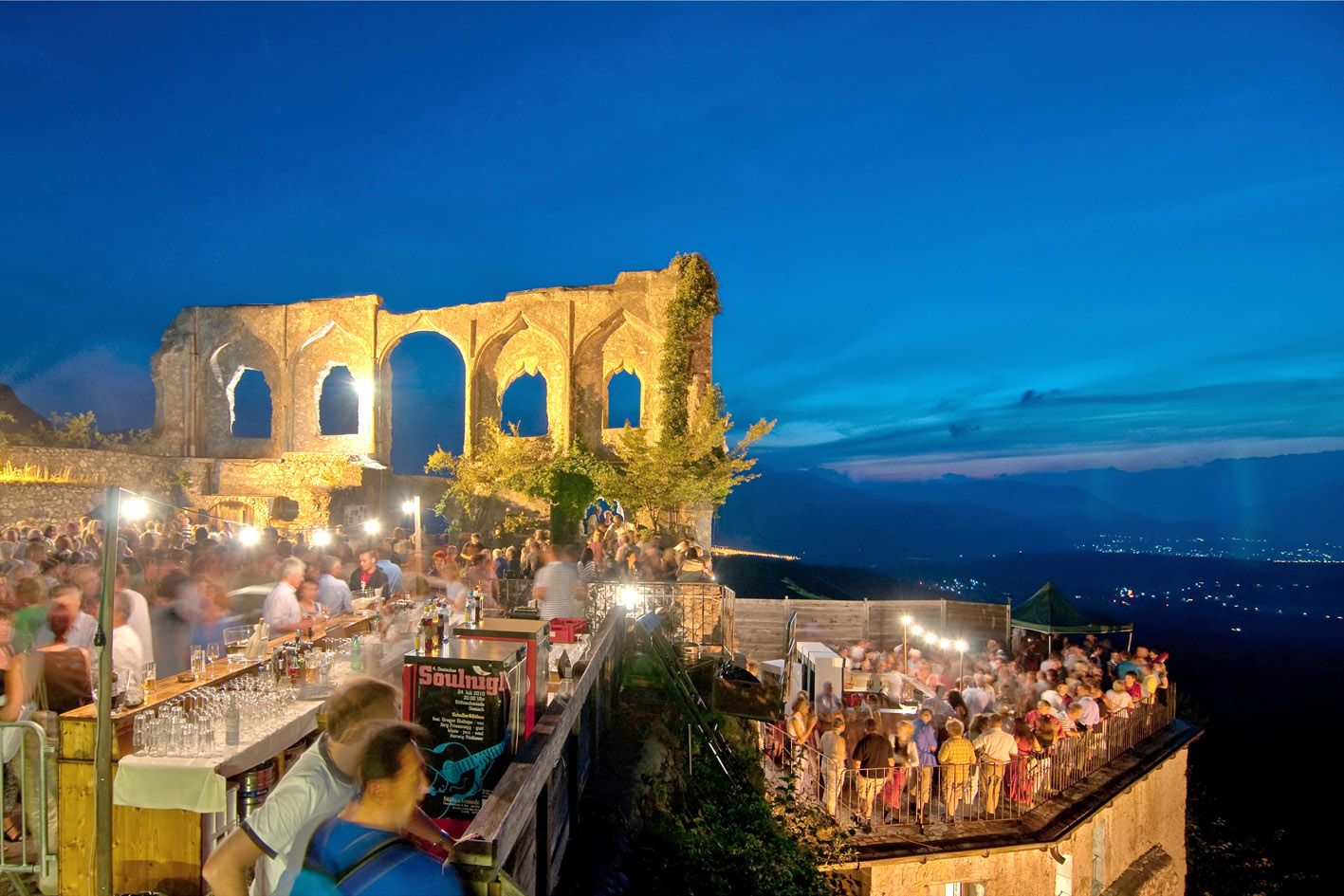

Nestled amidst the stunning landscapes of Carinthia, Austria, Finkenstein Castle stands as a testament to the region’s rich history and architectural evolution. First mentioned in 1142, this castle bears witness to centuries of political intrigue and cultural significance, making it a captivating destination for history enthusiasts and casual travelers alike.
The origins of Finkenstein Castle trace back to the Dukes of Carinthia, who constructed it during a time when power dynamics in the region were ever-shifting. Initially utilized as a fortification, the castle was handed over to ministeriales who would adopt the name von Finkenstein, signifying their newfound status. However, by the early 14th century, the lineage of the Carinthian Finkensteins came to an end, and the castle reverted to the dukes, now under the Habsburg dynasty since 1335.
One of the pivotal moments in the castle's history occurred when Emperor Maximilian I granted the castle to his loyal liegeman Sigismund von Dietrichstein. The Dietrichstein family remained the custodians of the castle until 1861, marking a long period of significance and stewardship. Unfortunately, by the late 18th century, the castle fell into disuse and began to decay. Today, only the ruins remain, with the most prominent structure being the 15-meter high end wall of the former palace, which still captivates visitors with its imposing presence.
Architecturally, Finkenstein Castle showcases a fascinating blend of styles, reflecting the various phases of its construction and reconstruction. The oldest sections are characterized by Romanesque elements, a style that emphasizes sturdy construction and simplicity. In the latter half of the 16th century, the castle underwent a transformation into the late Gothic style, renowned for its intricate stonework and verticality. Visitors can still glimpse these historical layers, particularly in the High Castle, where four gates were constructed, inviting exploration of the ruins and an appreciation for the artistry of the past.
The cultural significance of Finkenstein extends beyond its architectural grandeur. The castle's location provides a stunning backdrop for the Burgarena, an amphitheater with a seating capacity of 1,150. This venue hosts various performances, especially during the summer months, celebrating local talent and traditions. The surrounding area is vibrant with local customs, including seasonal festivals that highlight the region’s folklore, music, and dance. Visitors may be fortunate enough to witness traditional events, such as the Carinthian Harvest Festival, during which the community gathers to celebrate the bounty of the land with music, food, and merriment.
Speaking of food, Carinthia is known for its delectable cuisine that reflects its agricultural heritage. Traditional dishes to try include Kasnudeln, which are pasta filled with cheese and served with melted butter and herbs. Another local specialty is Reindling, a sweet, yeast-based cake often filled with nuts and raisins, typically enjoyed during festive occasions. Pair these delights with a glass of local wine or the refreshing Almdudler, a popular herbal lemonade that embodies the essence of Austrian refreshment.
For those looking to delve deeper into the lesser-known aspects of Finkenstein Castle, there are some intriguing stories that often go untold. Legends whisper of hidden treasures buried within the ruins, left by the Dietrichstein family as they fled during turbulent times. Additionally, the castle's eerie atmosphere has inspired many ghost stories, with visitors recounting encounters with the spirits of former inhabitants. These tales add an air of mystery, enticing explorers to wander the grounds with a sense of wonder and curiosity.
When planning a visit, the best time to experience Finkenstein Castle is during the warmer months, particularly from May to September. This period not only offers pleasant weather but also coincides with various cultural events at the Burgarena. Be sure to wear comfortable shoes for exploring the uneven terrain of the castle ruins and bring a camera to capture the breathtaking views of the surrounding countryside and the Faaker See below.
In conclusion, Finkenstein Castle is more than just a relic of the past; it is a vibrant part of the local culture and a beacon for those seeking to understand the rich tapestry of Carinthia's history. As you wander through the ruins, take a moment to absorb the stories that linger in the stones and the beauty that surrounds you. For a tailored exploration of this enchanting region, consider using the Secret World app to plan your personalized itinerary.


