
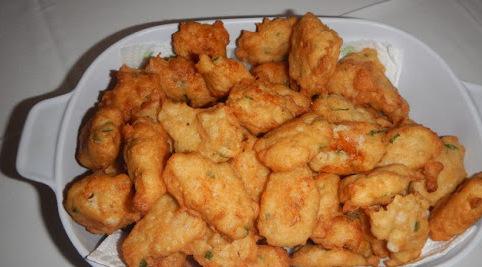

Nestled in the heart of the Basilicata region, the quaint town of Ferrandina offers more than just picturesque landscapes and historical charm. It is home to a culinary delight that embodies the essence of southern Italian tradition: fried Lampascioni meatballs. This dish, while humble in appearance, tells a rich story of cultural heritage and regional pride.
The origins of Lampascioni meatballs can be traced back to the ancient Greeks and Romans, who first introduced the bulbous plant to the Italian peninsula. The Lampascioni, or Muscari comosum, is a wild hyacinth bulb known for its slightly bitter taste, akin to that of a mild radish. Historically, these bulbs were a staple in the diet of the region's pastoral communities, providing sustenance through harsh winters.
The history of Ferrandina itself dates back to the 10th century when it was established by the Normans. The town's strategic location made it a focal point during the medieval period, witnessing various dominations, from the Byzantines to the Angevins. Each ruling culture left its mark, not only on the town's architecture but also on its culinary traditions. The incorporation of ingredients like mozzarella and ham into the Lampascioni meatballs reflects these diverse influences, showcasing a fusion of flavors that have evolved over centuries.
As you wander through Ferrandina, the architectural landscape offers a glimpse into its storied past. The town is dominated by the imposing Chiesa Madre di Santa Maria della Croce, a masterpiece of the Renaissance period. Its elegant facade and intricate frescoes inside are testaments to the artistic achievements of the era. The Convento di San Francesco, with its Gothic features, further enriches the town’s architectural heritage, providing a serene space for reflection amidst the bustling streets.
Cultural life in Ferrandina is vibrant and deeply rooted in tradition. The annual Festa di Sant'Antonio Abate, celebrated every January, is a spectacle of devotion and community spirit. Locals gather for processions, traditional music, and dance, with the aroma of Lampascioni dishes wafting through the air. This festival underscores the town's enduring connection to its culinary roots and its commitment to preserving age-old customs.
When it comes to gastronomy, Ferrandina offers a palate-pleasing array of dishes. Aside from Lampascioni meatballs, visitors should sample the peperoni cruschi, sun-dried sweet peppers that are fried to a perfect crisp, and the locally produced Aglianico del Vulture wine, which pairs beautifully with the region's robust flavors. Each dish tells a story, a testament to the fertile land and the hands that have cultivated it for generations.
For those seeking lesser-known curiosities, Ferrandina has its share of secrets. The town is renowned for its olive oil, specifically the Majatica di Ferrandina variety, which is slow-cooked and preserved in oil, a technique that enhances its rich, buttery flavor. This tradition has been passed down through families, making it a unique souvenir for visitors.
Practical tips for visiting Ferrandina include timing your trip to coincide with the spring or fall seasons when the weather is pleasantly mild and local festivals are in full swing. Be sure to explore the weekly mercato, where local artisans and farmers display their goods. It's the perfect opportunity to immerse yourself in the daily life of the town and perhaps, try your hand at making Lampascioni meatballs with fresh, local ingredients.
In conclusion, Ferrandina and its iconic Lampascioni meatballs offer a journey through time, art, and flavor. This charming town invites travelers to experience a slice of Italian life where history, culture, and cuisine are intertwined. Whether you're savoring a meatball or admiring medieval frescoes, Ferrandina promises a rich tapestry of experiences that are both authentic and unforgettable.


