
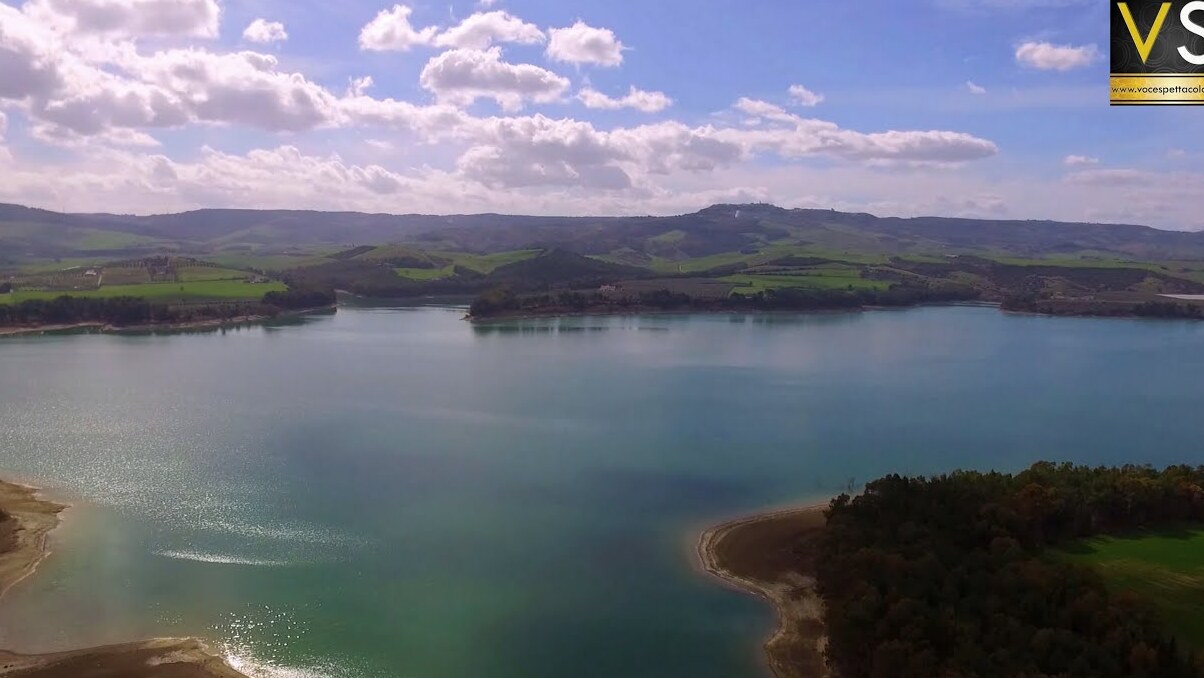

Nestled in the heart of Basilicata, the WWF Oasis Lake San Giuliano is a harmonious blend of nature and history, serving as a sanctuary for a diverse range of wildlife. This wetland, covering approximately 8 square kilometers, is a testament to both the ingenuity of human engineering and the resilience of nature.
The origins of Lake San Giuliano trace back to the years between 1950 and 1957 when the Bradano River was dammed for irrigation purposes. Initially, the lake was a mere utilitarian construct aimed at enhancing agricultural productivity in the region. However, as time passed, its ecological importance became evident. In 1976, the area was designated as a Protection and Refuge Oasis, marking a critical turning point in its history. By 1989, it was officially recognized as a WWF Oasis, and in 2003, it achieved the status of a Ramsar site, underscoring its significance as a wetland of international importance for aquatic fauna.
The architectural landscape surrounding Lake San Giuliano is modest yet reflective of the region's historical richness. The dam itself represents a significant engineering feat of the mid-20th century, while nearby towns like Matera, known for its Sassi, offer a glimpse into ancient human settlement and stone-carving traditions. The stark contrast between the man-made structure of the dam and the rugged beauty of the ravines carved by the Bradano River provides a unique visual narrative of harmony and conflict between nature and human intervention.
Culturally, the area is steeped in traditions that celebrate both its natural and historical heritage. Matera, with its ancient cave dwellings, is a UNESCO World Heritage site and has been a focal point for festivals such as the Festa della Bruna, celebrated on July 2nd, honoring the city's patron saint. This vibrant event combines religious fervor with community spirit, featuring a spectacular procession and a grand float that is ceremoniously destroyed at the end of the festivities.
When it comes to gastronomy, the flavors of Basilicata are a delight for the senses. The region is famous for its pane di Matera, a crusty bread made from local grains that has been recognized with PGI status. Pairing this with peperoni cruschi—crispy fried peppers—or a hearty dish of lagane e ceci (pasta with chickpeas) provides a true taste of local fare. Don't miss the opportunity to sip on a glass of Aglianico del Vulture, a robust red wine that embodies the spirit of the region.
Beyond its ecological and cultural significance, Lake San Giuliano harbors lesser-known curiosities that can surprise even the most seasoned traveler. For instance, the lake is home to over 200 species of birds, including migratory species that stop here during their long journeys. Birdwatchers may be fortunate enough to spot the rare Ferruginous Duck or the elegant Purple Heron. Additionally, the unique geological formations in the area, including the deep ravines that reach depths of up to 50 meters, offer excellent opportunities for exploration and photography.
For those planning a visit, the best time to experience the beauty of Lake San Giuliano is during the spring and early autumn months. The mild weather provides ideal conditions for outdoor activities such as birdwatching, hiking, and photography. It's advisable to bring along binoculars for birdwatching and a camera to capture the stunning landscapes.
When exploring the oasis, take time to wander along the marked trails that lead you through the lush vegetation and past tranquil waters. Facilities such as visitor centers often provide guided tours and educational materials that enhance the experience. Remember to respect the environment by following the guidelines set forth by the WWF, ensuring that this natural treasure remains preserved for future generations.
As you immerse yourself in the serene beauty of Lake San Giuliano and its surroundings, consider using the Secret World app to craft a personalized AI itinerary that captures your unique travel preferences.


